
Discovery of 388 artifacts halts construction at Goeun-ri site
Funding gap remains the deeper obstacle, with more than 370 billion won still needed
Governor rules out issuing more local bonds to finance the move
Court challenges and fears of inner-city decline add to the province's woes
Parallels drawn to Alpensia fiscal crisis that nearly bankrupted Gangwon
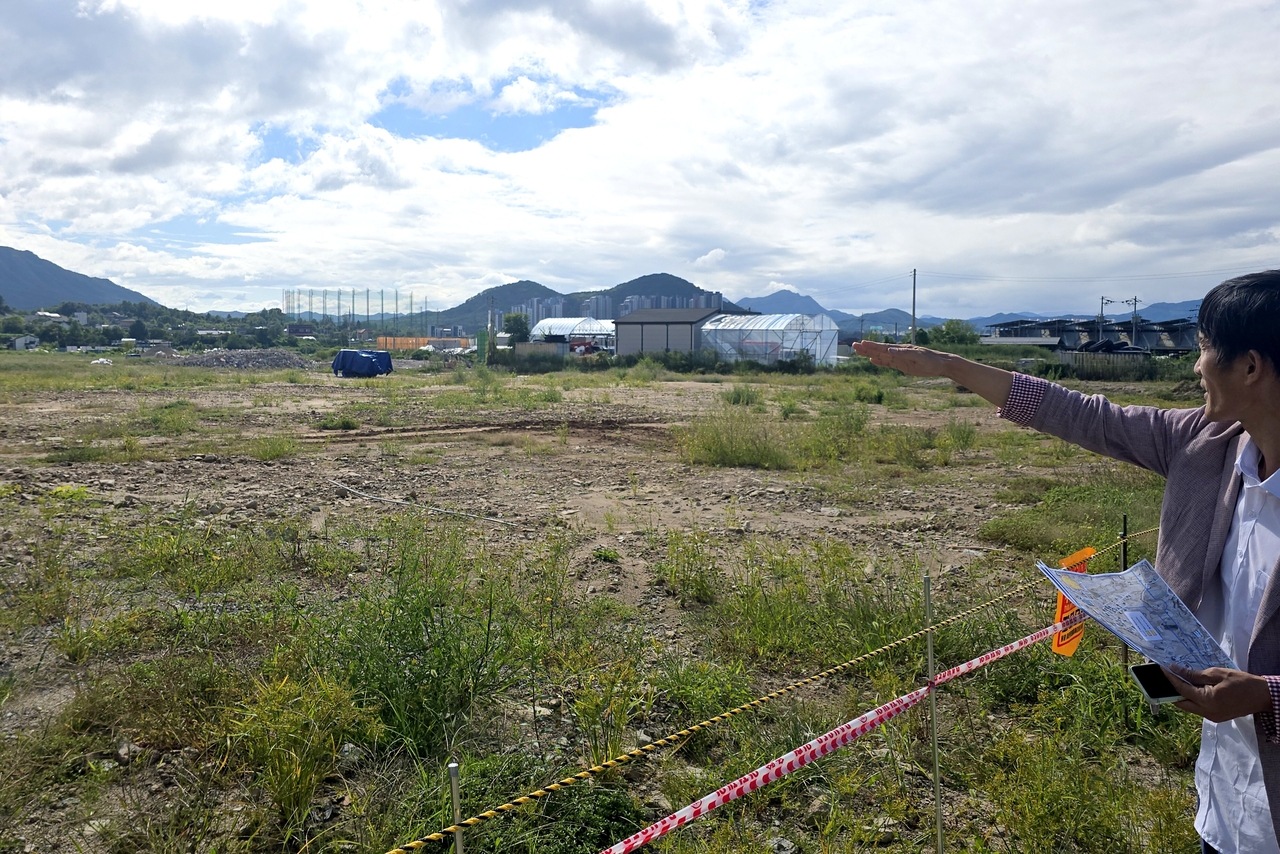
The planned relocation of the Gangwon provincial headquarters to Goeun-ri in Chuncheon is mired in four compounding crises: a severe funding shortfall, fears that the move would deepen the decline of Chuncheon's original downtown, an unusually high density of cultural artifacts uncovered even in the topsoil of the construction site, and an unfavorable legal climate surrounding a civic lawsuit alleging procedural violations in how the project was pushed through. The project was hastily broken ground on by former Governor Kim Jin-tae before he stepped down to run in the ninth round of local elections.
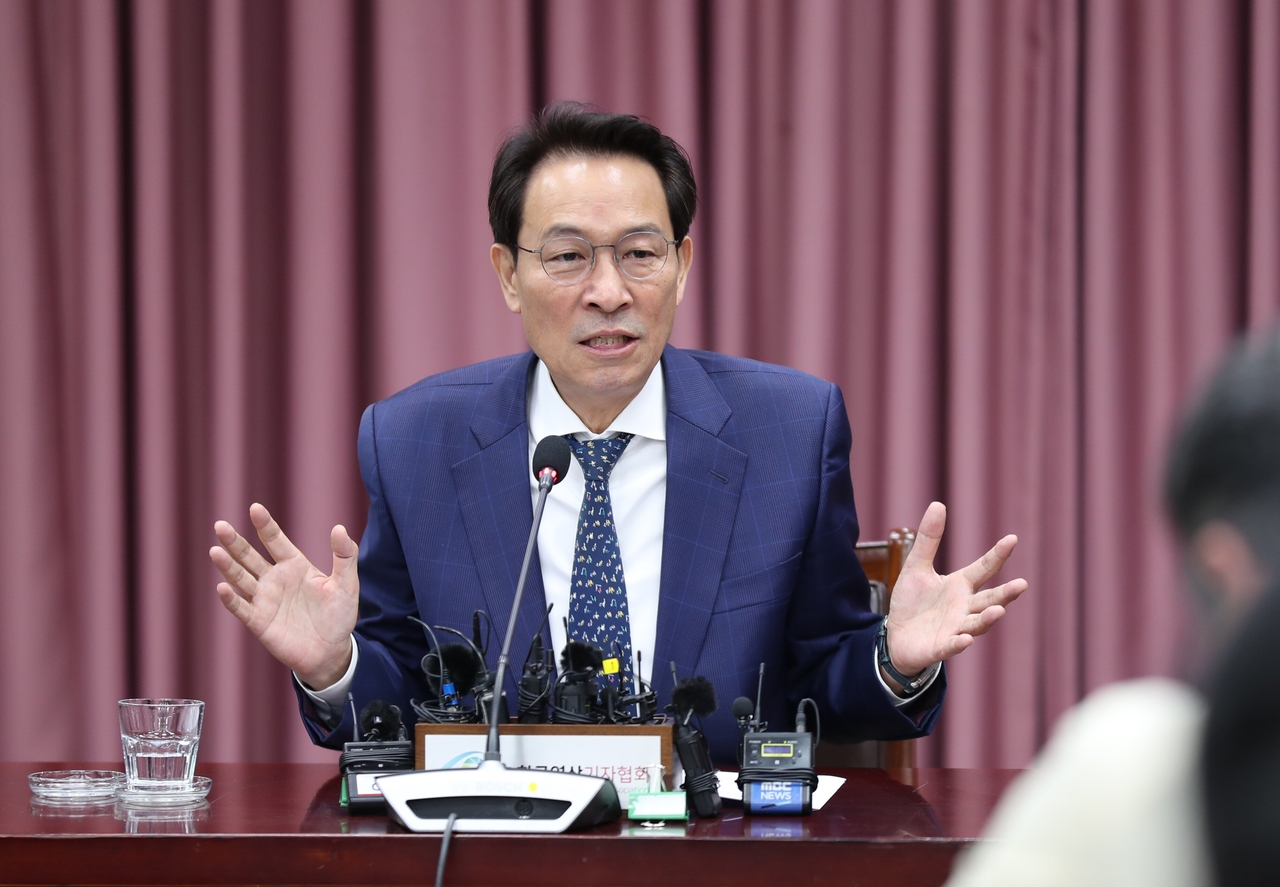
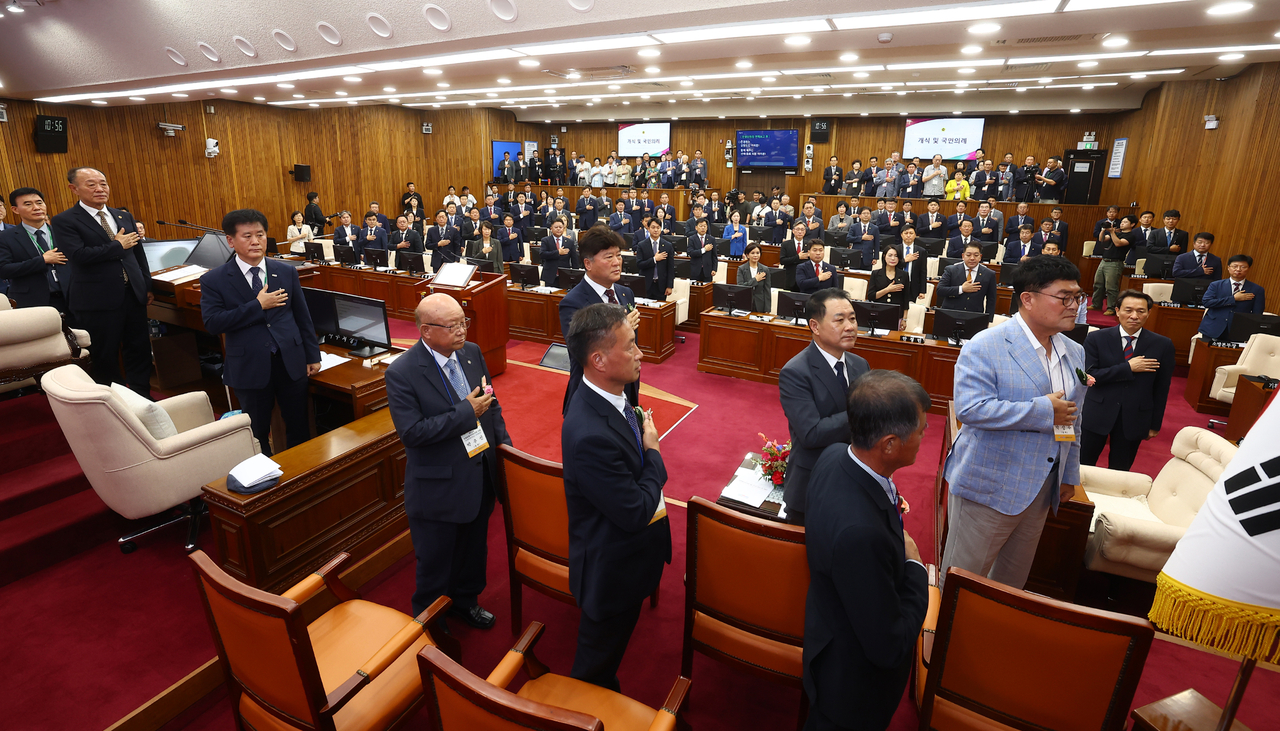
Woo Sang-ho, who defeated Kim in that election and has now been in office for roughly 100 days, appeared before the Gangwon Provincial Assembly on Monday and set funding security as a precondition for resuming construction. "Work should begin only when tax revenues are stably secured and progressive investment is deemed feasible," he said, signaling that the construction halt is likely to drag on — and raising the possibility that the new headquarters plan could be scrapped altogether.
Even setting aside the financial problem, construction at Goeun-ri is currently under a stop order issued by Chuncheon, the land management authority, following the mass discovery of artifacts at the site.
Chuncheon has officially confirmed that 388 artifacts have been found, but that figure covers only the topsoil layer of a portion of the construction site.
Observers with knowledge of cultural heritage say the density of artifacts at the site is so high that items presumed to be relics are visible to the naked eye even in the surface layer. There are also questions about who authorized the disturbance of the soil at the discovery area — the ground has been turned over or filled in — and the possibility of charges for damaging a cultural artifact discovery site has been raised.
Given the mass discovery of artifacts, resuming construction would be illegal unless the items are properly excavated through lawful procedures or the Cultural Heritage Administration issues a clear ruling that they hold no significant value. The administration is considered highly unlikely to sanction the destruction of artifacts. Should construction resume, those involved — including the contracting local government and the managing local government that permitted it — would all face potential criminal liability.
Above all, money is the central obstacle. The biggest reason Governor Woo has not agreed to resume the Goeun-ri relocation project is the funding gap: of the total project cost of 500 billion won ($374 million), more than 370 billion won still needs to be raised.
When former Governor Kim pressed ahead with the new headquarters relocation, Woo — then a candidate — criticized the groundbreaking ceremony as a fait accompli and called for the project to be suspended pending broader deliberation.
![Remarks made by Gangwon Province Governor Woo Sang-ho during his candidacy [screen capture from G1 TV]](https://wimg.heraldcorp.com/news/cms/2026/10/13/news-p.v1.20261013.367c6c716c1e45b4be40f1ca518d7cd0_P1.jpg)
Having closely examined the problems surrounding the new headquarters since his transition period, Governor Woo appeared at the 349th extraordinary session of the Gangwon Provincial Assembly on Monday and made clear that relocating the provincial office by taking on debt was not an option. He has stated on several occasions since taking office that the province cannot issue additional local bonds.
He has also announced plans to reorganize the existing "Headquarters Relocation Task Force," dropping the word "relocation" from its name and restructuring it as a public building construction division.
On the prospect of increased tax revenues from attracting large corporate investment and higher central government grants, Woo said that while acquisition taxes would flow in when a major company builds a factory, "the only project with a confirmed groundbreaking plan at this point is GS Group's AI data center in Donghae." He added that all other projects remain under discussion, and that developing tourism complexes takes seven to 10 years, making it difficult to project overall tax revenue.
He estimated that investment including the AI data center could generate between 150 billion won and 200 billion won in tax revenue within three years, but cautioned that all figures were projections. "It is unclear when the tax base will materialize, so it is difficult to lay out a concrete year-by-year plan," he said.
Woo formally stated that "Gangwon Province's current fiscal situation does not allow for putting 100 billion to 150 billion won annually into a construction fund for the new headquarters," adding that relocating the provincial office while issuing local bonds was not feasible.
After setting funding security as a precondition for resuming construction, Woo said no concrete plan had been drawn up for the use of the existing headquarters building, as the new construction plan itself had not been finalized.
Additional variables remain: critics warn that relocating the provincial office to Goeun-ri near a tollgate on the southern outskirts of Chuncheon would push the city's original downtown into even deeper economic decline, and a civic lawsuit alleging legal violations in how the previous governor pursued the relocation project is generating an unfavorable legal atmosphere.
The mood in Chuncheon surrounding the headquarters relocation is a mixture of old-guard pressure tactics, what appears to be a concerted effort to conceal circumstances that could be deemed unlawful, and a countervailing will to break from those patterns.
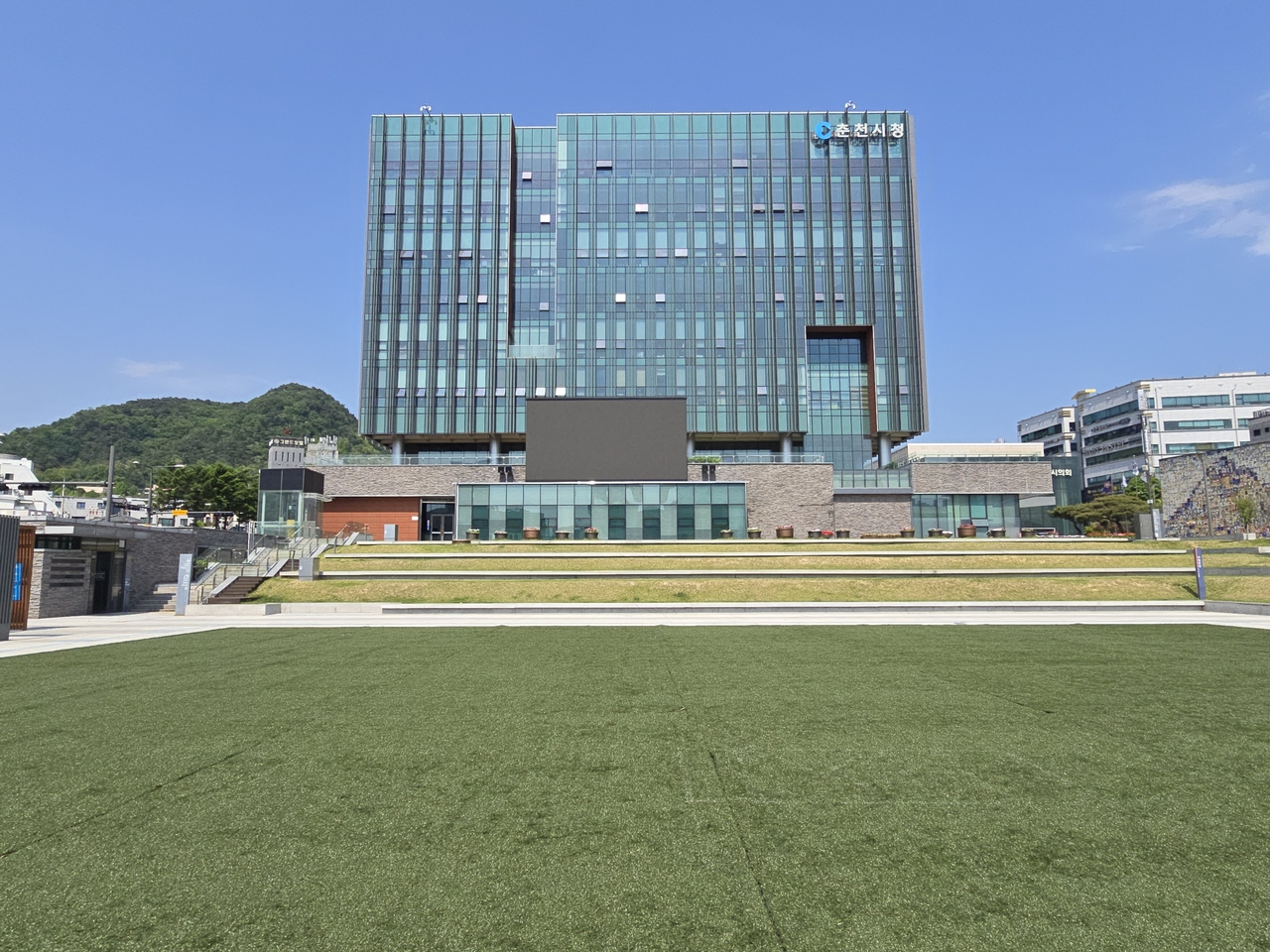
Forty-two days into the construction stoppage, the responsible authorities have yet to officially acknowledge the stop order — disregarding the public's right to know. Observers from more developed cities such as Seoul and Busan have uniformly noted that such a culture of concealment makes genuine progress difficult.
Meanwhile, Gangwon Province carries a painful memory of having built Olympic facilities including the Alpensia resort ahead of the 2018 Winter Olympics without a clear funding plan, an episode that pushed the province to the brink of fiscal insolvency.
abc@heraldcorp.com




