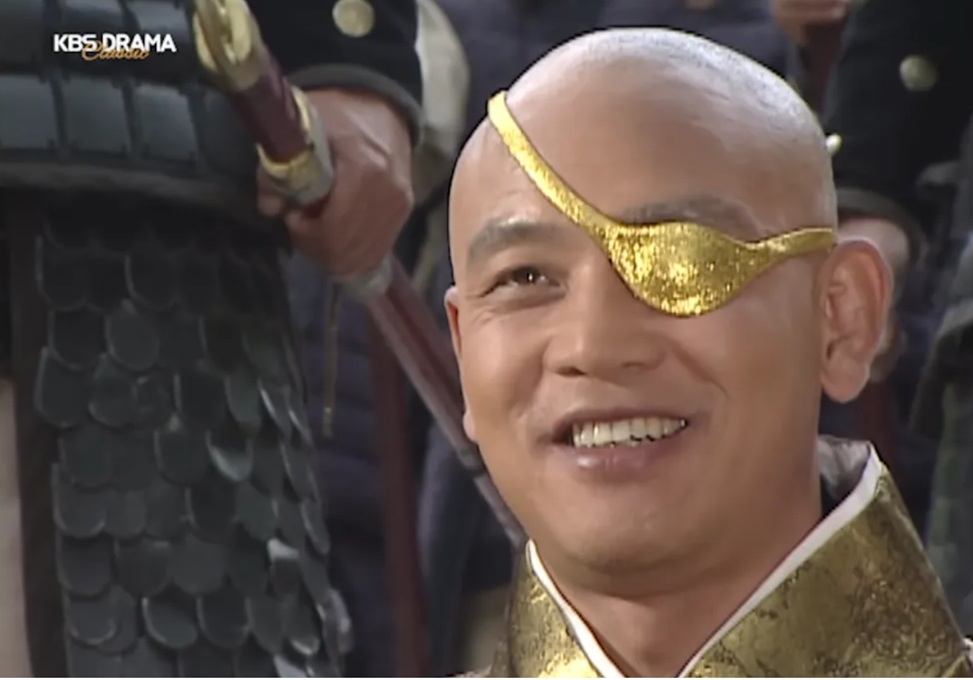
"Who dared to cough?" — catchphrases like this one, associated with the historical figure Gung Ye, were lines crafted by drama writers drawing on records of the warlord king's temperament.
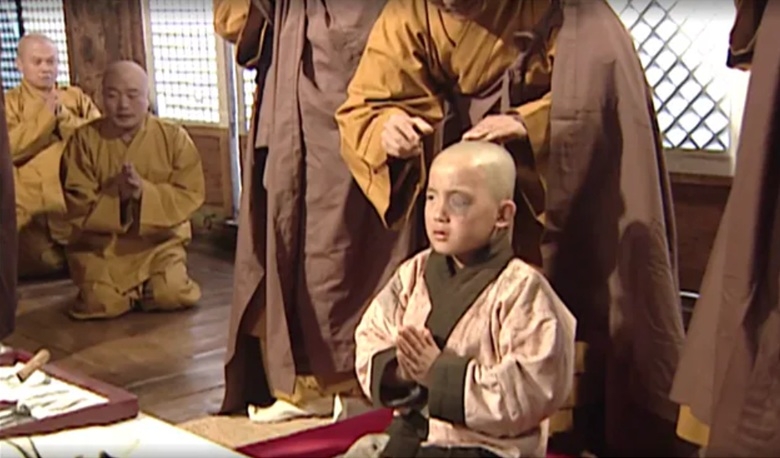
Gung Ye, a former Buddhist monk, rose to become emperor of Later Goguryeo, but he too had his early days as a novice. His footprints survive in many places, and among the earliest is Sedalsa temple in Yeongwol, Gangwon Province.
Now reduced to ruins, the Sedalsa temple site in Yeongwol-gun sits on a ridge midway up Taehwasan mountain.
The "Samguk Sagi" (History of the Three Kingdoms) records it as the monastery where Gung Ye took his vows, while Joseon-era documents note that a memorial stele for the monk Chunghui — a son of Goryeo King Injong — once stood at Heunggyosa temple on the western slope of Taehwasan.
In Yeongwol, a town known as "the city that lives with kings," yet another king — Gung Ye — is said to have "risen" (gichim: to rise from one's seat) here in the form of a young monk.
Yeongwol-gun is holding an expert advisory session and a public briefing at the excavation site Monday and Tuesday to advance the preservation and restoration of the Yeongwol Sedalsa site, a designated monument of Gangwon Special Self-Governing Province, and to establish its historical significance.
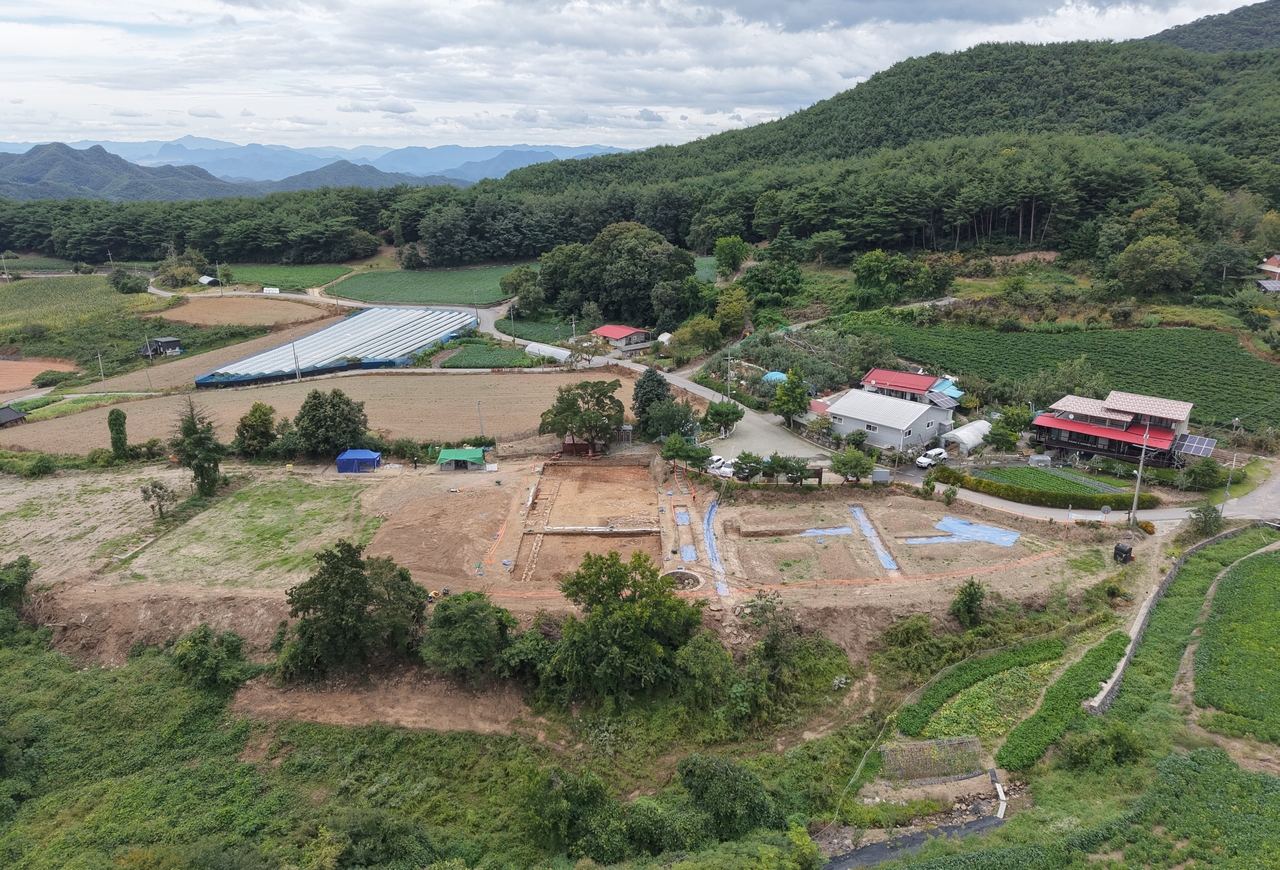
Yeongwol-gun has been conducting an academic excavation survey at the Sedalsa site since August, with support from Gangwon Special Self-Governing Province's 2026 provincially designated heritage repair and restoration project.
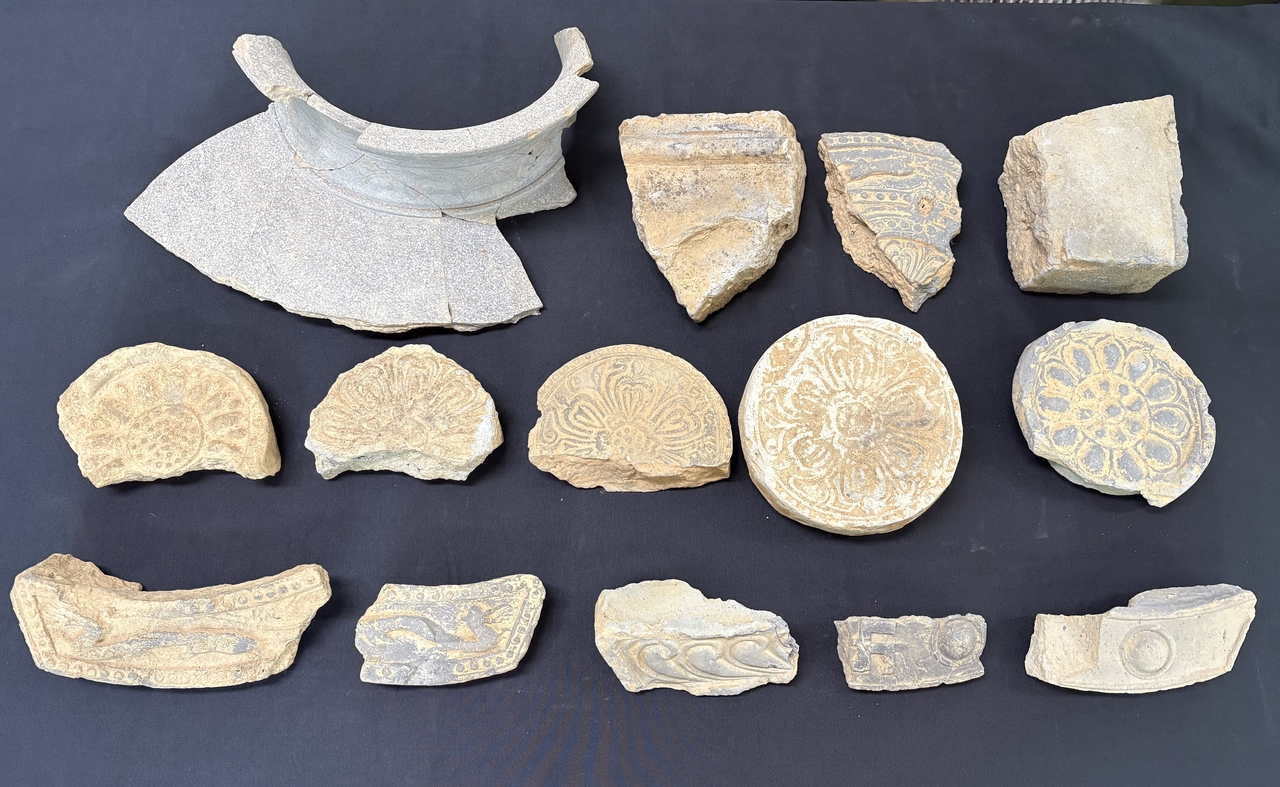
An earlier survey carried out in 2012 and 2013 uncovered more than 40 structural remains — including building foundations, platform bases and pagoda sites — along with some 500 artifacts.
Those findings established that Sedalsa was founded during the Unified Silla period, was renamed Heunggyosa during the Goryeo period and continued operating into the Joseon era, functioning as a major temple during the Goryeo period.
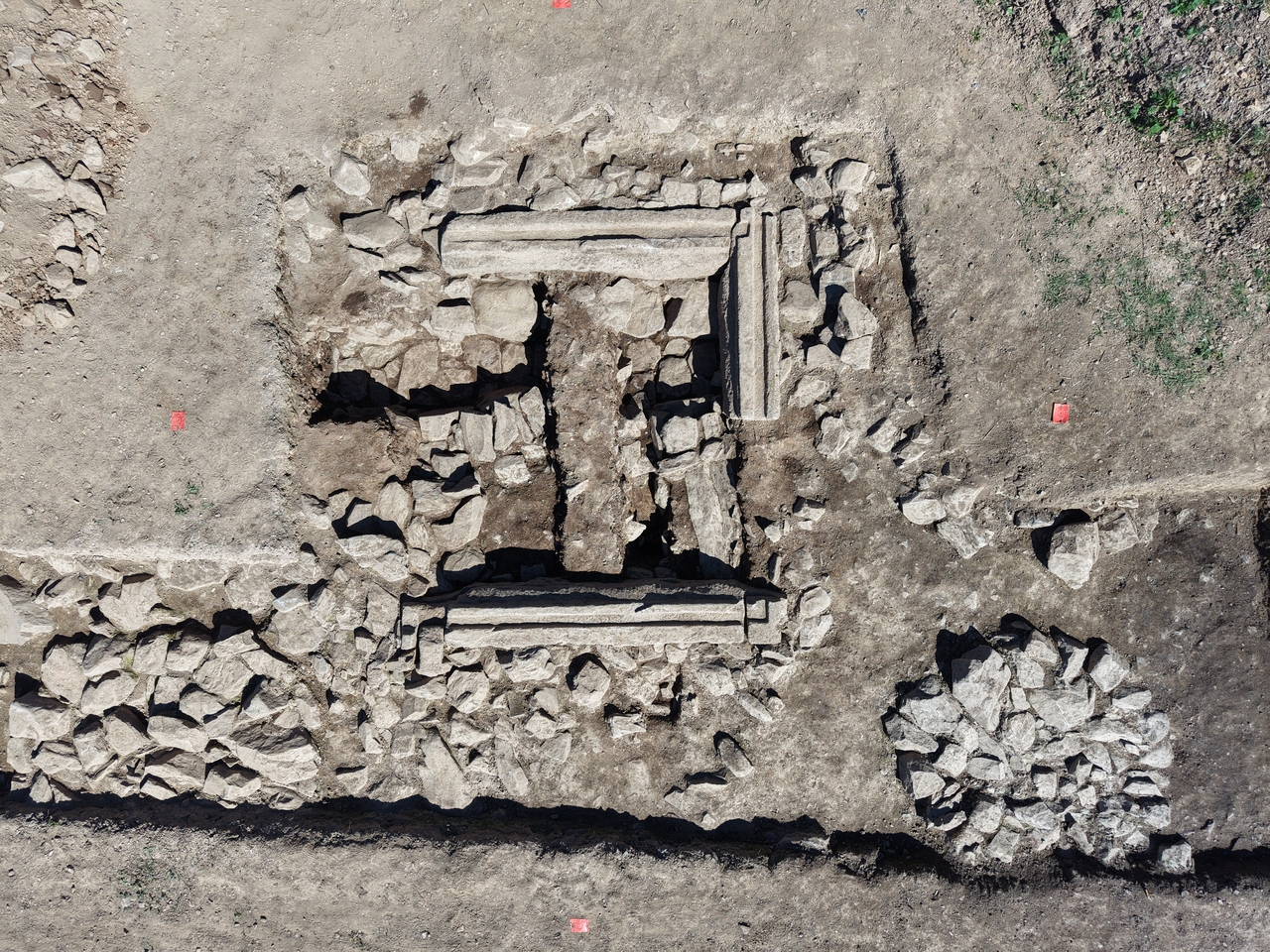
The current survey has revealed a range of additional structural remains, including the foundations of two buildings, a perimeter wall, a stepped passageway, drainage channels and building substructures.
Particularly notable is a rectangular stone structure found on the eastern outskirts of the temple site, which researchers say may have served as the base for a monk's sarira pagoda, a memorial stele or a stone lantern. Given its relationship to surrounding remains, it may also be connected to the stele of the monk Chunghui mentioned in historical records, and further examination is needed.
Research into the connection between Gung Ye and Sedalsa is also expected to proceed alongside the excavation work.
The on-site advisory session will gather expert opinions on the key structural remains and excavated artifacts, and will examine the extent of the temple grounds, the nature of its buildings and ancillary facilities, and the direction of future investigation, preservation and restoration efforts.
Before long, Yeongwol looks set to become a humanities learning ground centered on yet another of its kings — Gung Ye.
"Through this excavation, we are confirming that the Sedalsa site is a Buddhist heritage spanning from the Unified Silla period through the Goryeo and Joseon eras," Yeongwol-gun Mayor Kim Gil-su said. "We will work to illuminate the value of the Sedalsa site as a window into Gung Ye's ordination and Yeongwol's history, and will develop plans for its preservation, restoration and use together with local residents."
abc@heraldcorp.com