Jung Hee-yong calls for rigorous technical checks before investment approvals
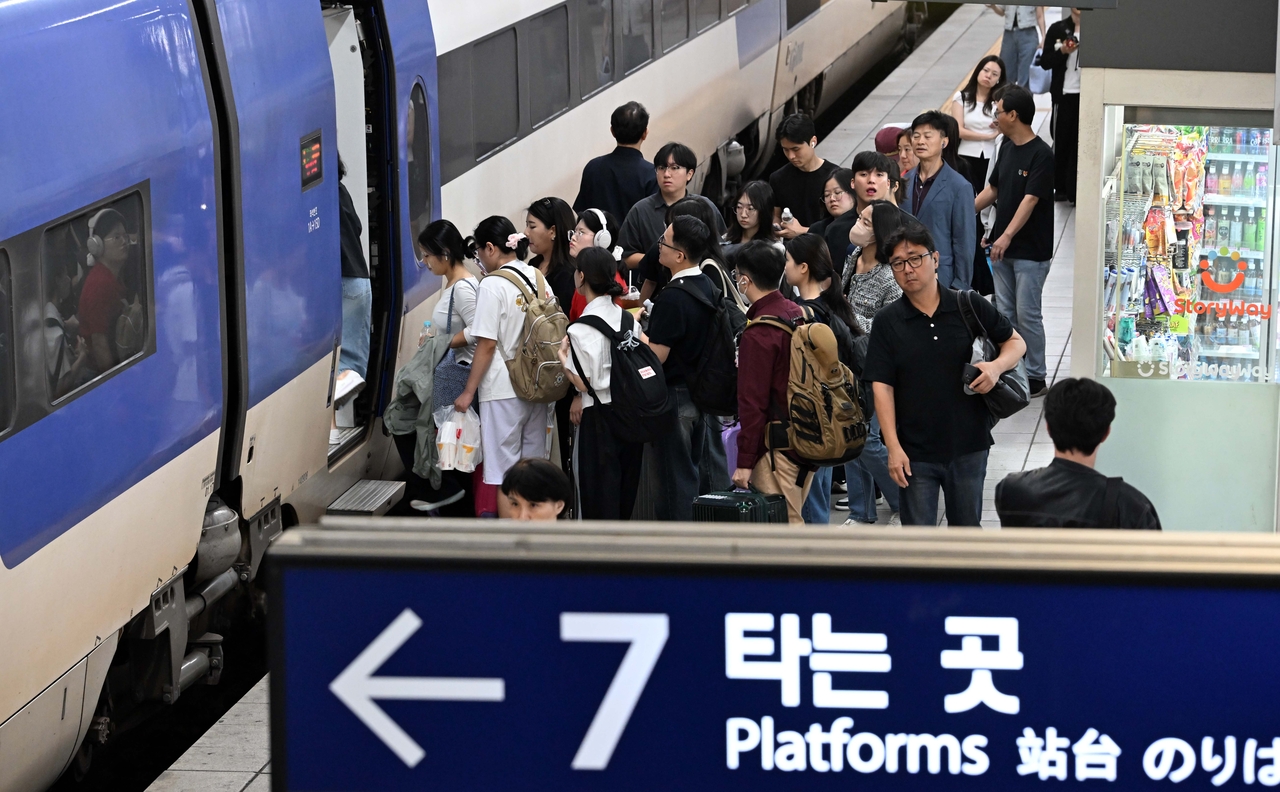
Korea Railroad Corporation, known as Korail, pursued a 4.63 billion won ($3.46 million) server scale-up project to cut waiting times for Chuseok train ticket reservations, only to abandon it just before signing a contract after discovering the new equipment was incompatible with existing systems. Had the project gone ahead as planned, waiting times during this year's Chuseok ticket booking period could have been cut by roughly 25 minutes — an opportunity now lost after a critical technical flaw was caught too late, critics say.
According to a "Reservation and Ticketing System Infrastructure Scale-Up Project Plan" that People Power Party lawmaker Jung Hee-yong obtained from Korail, the state rail operator drew up a short- and medium-term improvement plan in September last year after a service outage disrupted last year's Chuseok ticket reservations.
To prepare for this year's Chuseok bookings, Korail planned to invest 4.63 billion won to expand the central processing units of its reservation and ticketing servers from 96 cores to 144 cores. The plan called for adding 48 cores to the first-generation CPUs introduced in 2020, boosting processing capacity by 50 percent and reducing connection delays caused by server overload.
The project was halted in May. A technical meeting with Oracle Korea, the designated supplier, held in April had revealed that the new CPUs could not be used alongside the existing ones. A full equipment replacement and a complete rebuild of the database configuration would have been required to proceed.
Korail concluded that pushing ahead with the scale-up risked triggering system errors that could knock out the ticket reservation service entirely. "At the initial project review stage, Oracle Korea indicated that the scale-up was feasible," Korail said. "When it became clear that the premise underlying the plan — expanding within the current environment — could not be met, we halted the project before signing the contract in order to ensure service stability."
The deeper problem, critics note, is that these technical constraints were never examined during the decision-making process. In January, all seven members of Korail's investment review committee voted unanimously to approve the project. The review documents presented at the time identified no shortcomings and proposed no contingency measures.
With the project scrapped, long waits returned during this year's Chuseok ticket sales. Peak daily waiting times climbed from 22.5 minutes on Sept. 7 to 55.7 minutes on Sept. 8, 70.9 minutes on Sept. 9 and 80 minutes on Sept. 10, before reaching 149.2 minutes on Sept. 11.
Korail estimated that expanding server capacity from 96 to 144 cores as originally planned would have shaved roughly 25 minutes off Chuseok reservation wait times.
The episode has drawn scrutiny to a review process that failed to verify even basic equipment compatibility before committing billions of won to a system upgrade. The fact that a unanimously approved project collapsed within months has renewed calls to strengthen technical feasibility checks and overhaul decision-making procedures.
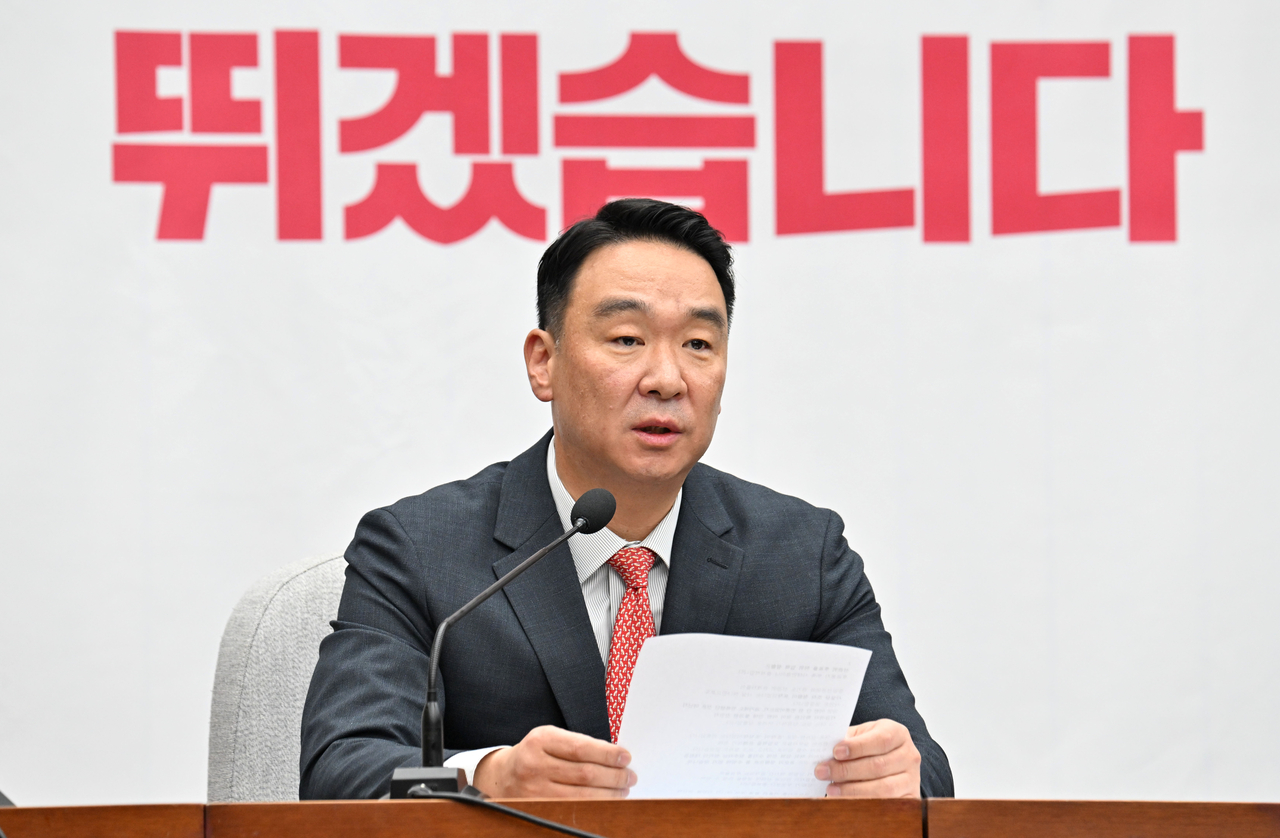
"The fact that a project approved unanimously by the investment review committee was halted for technical reasons just before the contract was signed reveals gaps in the project review and decision-making process," Jung said. "Rather than relying solely on the supplier's initial assessment, Korail should have thoroughly verified compatibility with existing equipment, the feasibility of the scale-up, and the risk of service disruption in advance, and prepared alternatives."
raining@heraldcorp.com
mp1256@heraldcorp.com