54.7% of Seoul apartment transactions in Q3 surpassed all-time highs
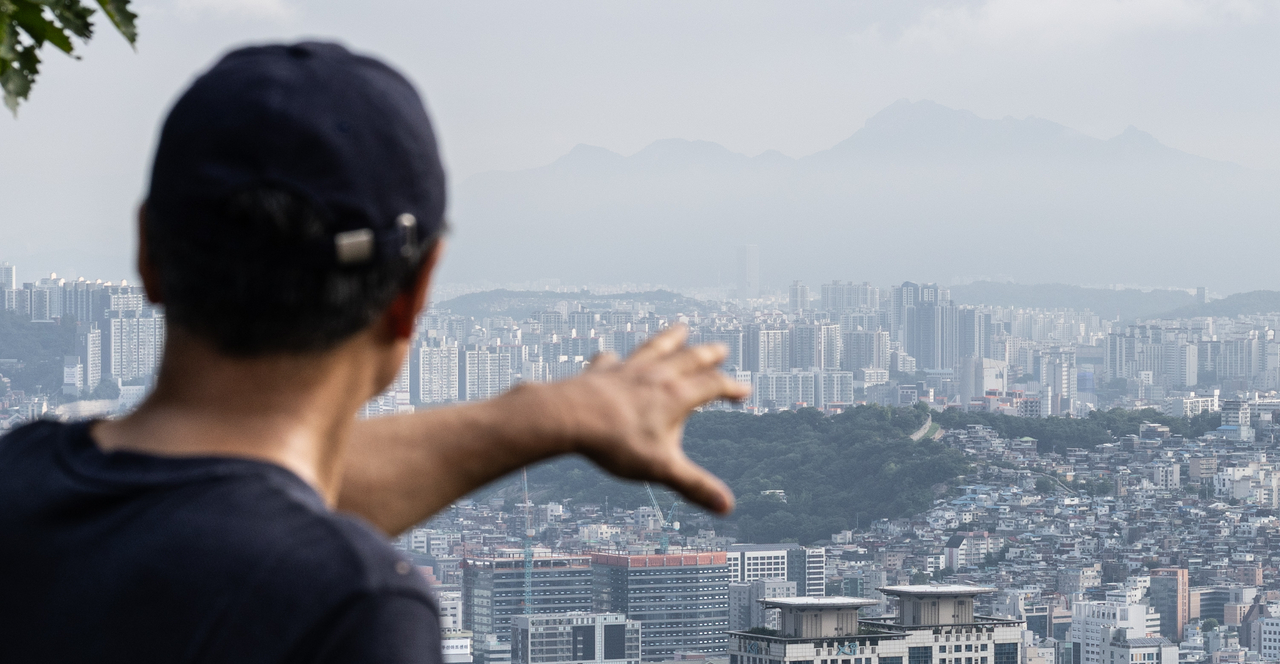
More than half of all Seoul apartment transactions in the third quarter this year were completed at or above their all-time high prices, with outer districts of the capital showing a particularly sharp increase in such deals.
Real estate platform Zigbang said Monday that of 10,930 Seoul apartment transactions recorded in the third quarter of 2026, 5,977 — or 54.7 percent — were concluded at prices equal to or higher than the previous peak transaction price for each unit. The share of deals at or above prior highs climbed steadily, from 38.2 percent in the first quarter to 43.0 percent in the second quarter and 54.7 percent in the third.
Among Seoul's 25 autonomous districts, 22 saw the share of above-peak transactions rise from the first quarter to the third. The gains were especially pronounced in Dongdaemun-gu, where the share jumped from 45.7 percent to 81.9 percent, Seodaemun-gu from 44.4 percent to 73.5 percent, Seongbuk-gu from 32.1 percent to 68.5 percent, and Jungnang-gu from 13.2 percent to 41.4 percent — a pattern reflecting the price recovery spreading across the city.
Outer districts also recorded notable gains. In Eunpyeong-gu, the share rose from 26.1 percent in the first quarter to 50.0 percent in the third, meaning half of all comparable transactions matched or exceeded previous highs. Over the same period, Gangbuk-gu climbed from 8.9 percent to 34.5 percent, Nowon-gu from 8.1 percent to 24.9 percent, and Dobong-gu from 6.1 percent to 12.4 percent.
By contrast, Gangnam-gu slipped from 55.0 percent in the first quarter to 43.0 percent in the third, Seocho-gu fell from 67.6 percent to 62.6 percent, and Yongsan-gu declined from 71.3 percent to 66.9 percent. While most of Seoul saw the share of above-peak deals expand, Gangnam, Seocho and Yongsan bucked the trend and moved in the opposite direction.
In Gyeonggi Province, 22.4 percent of the 33,619 comparable transactions in the third quarter were concluded above previous highs, up from 12.0 percent in the first quarter and 18.9 percent in the second.
Regional disparities within the province were stark. Bundang-gu in Seongnam led all areas with 94.1 percent of third-quarter transactions above prior peaks, followed by Sujeong-gu in Seongnam at 77.2 percent, Suji-gu in Yongin at 74.1 percent, Hanam at 73.6 percent and Jungwon-gu in Seongnam at 65.4 percent. Dongan-gu in Anyang posted 60.3 percent, Gwangmyeong 59.6 percent and Guri 51.0 percent — all areas where more than half of comparable deals surpassed previous highs.
At the other end of the spectrum, Uijeongbu recorded just 6.4 percent and Paju only 4.0 percent, underscoring the wide variation in price recovery across Gyeonggi Province.
In Incheon, the share of above-peak transactions rose from 4.3 percent in the first quarter to 5.2 percent in the second and 6.5 percent in the third, with 406 of 6,222 comparable third-quarter deals exceeding prior highs. By district, Bupyeong-gu led at 9.9 percent, followed by Michuhol-gu at 9.7 percent, Geomdan-gu at 8.3 percent and Yeonsu-gu at 6.8 percent.
Incheon's overall third-quarter share of 6.5 percent, however, remained well below Seoul's 54.7 percent and Gyeonggi Province's 22.4 percent, highlighting the uneven pace of recovery even within the greater metropolitan area.
Outside the greater metropolitan area, regional gaps were also evident. North Jeolla Province posted the highest share among non-metropolitan regions in the third quarter at 19.9 percent, followed by Jeju at 13.5 percent, Ulsan at 12.4 percent, North Gyeongsang Province at 11.5 percent and South Gyeongsang Province at 11.0 percent.
Kim Eun-seon, head of Zigbang's Big Data Lab, said the shift in above-peak transaction ratios reflects not simply a broader rise in prices but a divergence in the speed and scope of price recovery centered on areas backed by genuine demand. "Going forward, it will be important to monitor how interest rates and lending conditions affect end-user demand," she said.
She added that price trends in Seoul's high-end districts remain a key variable. "Given the symbolic weight those areas carry in the greater Seoul housing market and their influence on market sentiment, a prolonged or widening correction there could ripple through to prices in surrounding areas," she said.
hwshin@heraldcorp.com