Jeonse listings pile up in Eunpyeong even as Seoul tightens
Most units require full cash deposits as loan rules block financing
Landlords slash asking prices, convert to hybrid rent arrangements
A month ago, an 84-square-meter unit was going for 750 million won on a jeonse contract. Now even with the price cut it won't move. Yesterday the landlord came in and said, 'I'll take 730 million won — just make it happen.' Move-in season is supposed to be our busiest time, but these days we're just happy when a customer walks through the door.
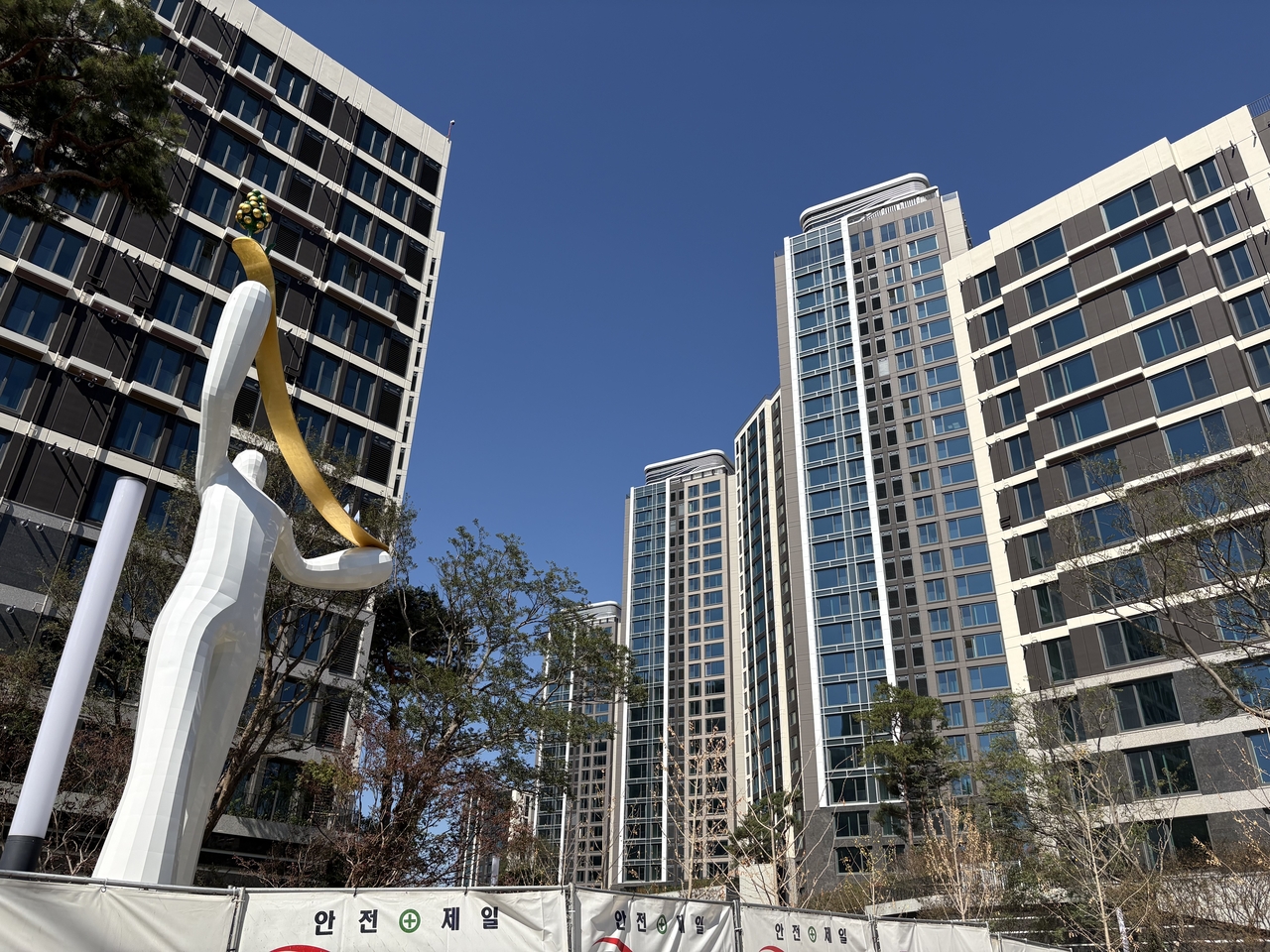
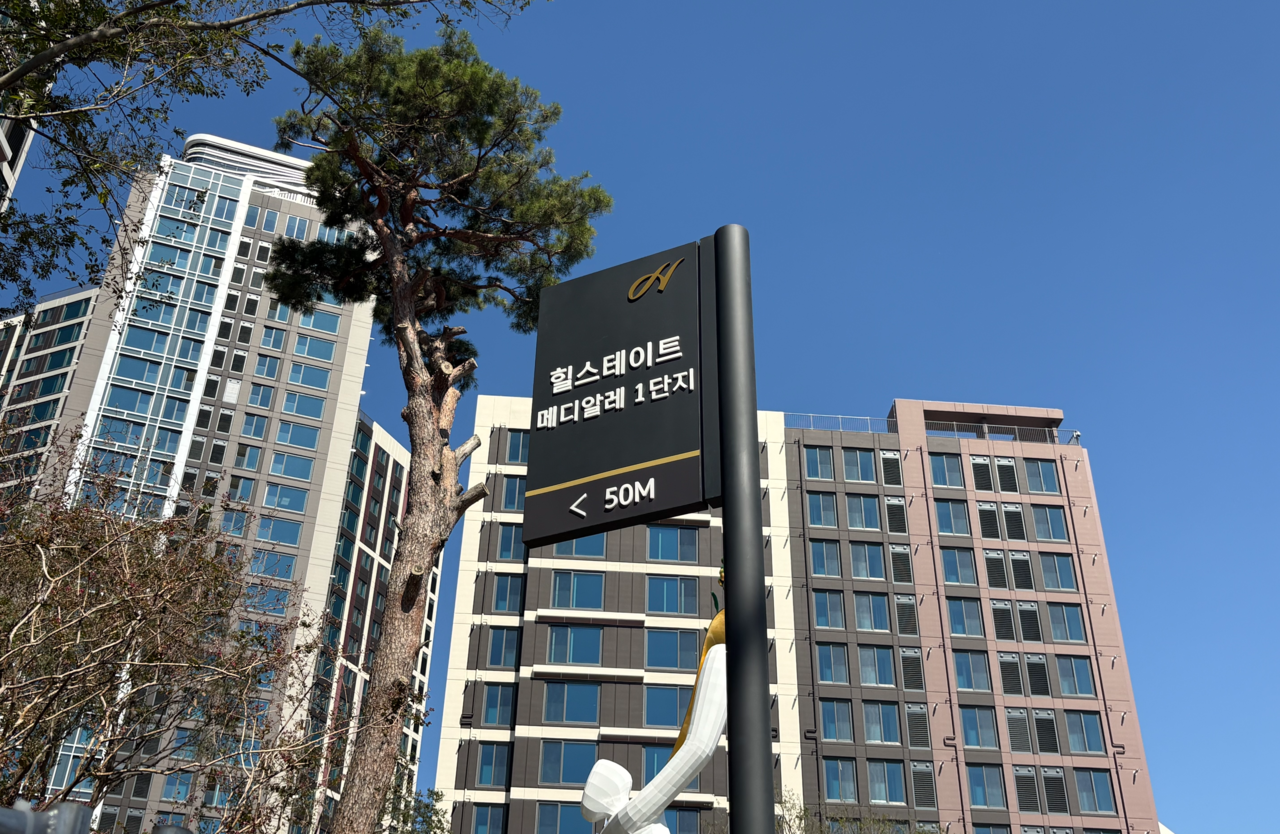
Hillstate Mediale, a large newly built complex in Daejo-dong, Eunpyeong-gu, Seoul, is set for a major move-in later this month. But finding tenants has proved far from easy. As the balance-payment deadline draws closer, landlords are growing anxious and cutting their jeonse prices, according to agents at the scene.
The complex spans 28 buildings and 2,451 units, developed through the redevelopment of the Daejo District 1 zone in Eunpyeong-gu. Its sheer size means it accounts for roughly 74 percent of the 3,302 Seoul apartment units scheduled for move-in this month.
The designated move-in period runs from later this month through Dec. 29, and jeonse listings have flooded the market ahead of that window. According to Asil, a real estate big data platform, jeonse listings for apartments in Eunpyeong-gu surged 60.8 percent — from about 460 three months ago to 743 as of Thursday. That figure is also up 53.5 percent from a year earlier, when 484 units were listed. Daejo-dong, where Hillstate Mediale is located, saw listings more than double over the same three-month period, rising from 211 to 429.
The glut stands in sharp contrast to conditions across the rest of Seoul, where jeonse supply has been shrinking and prices climbing. Asil data show Seoul-wide jeonse listings stood at 20,627 on Thursday, down 13.7 percent from 23,897 a year ago. With supply tightening, prices have surged: the cumulative increase in Seoul apartment jeonse prices this year reached 8.35 percent as of Oct. 5, according to the Korea Real Estate Board.
The weak demand for jeonse at the new complex stems largely from lending restrictions. Regulations introduced last year on June 27 banned jeonse loans contingent on ownership transfer in the Greater Seoul area and designated zones. The rules prevent landlords from using a tenant's jeonse loan proceeds to cover their own balance payment, meaning a jeonse loan is available only for units where the landlord has already settled the balance and completed the ownership transfer. For units where the balance remains unpaid, tenants must put up the entire deposit in cash — arrangements known as "cash jeonse" contracts.
The head of a nearby real estate agency said more than 97 percent of listings are cash jeonse, making them effectively the only option available, and added that many landlords initially tell clients a loan is possible, only to walk that back later. An agent at another agency said that with jeonse prices ranging from 500 million to 700 million won, few people have that kind of cash on hand, making it difficult for newlyweds and others who need financing to move in even if they want to.
With move-in day approaching and balance payments looming, landlords are in a bind. One agent said a 59-square-meter unit listed at 630 million won ($470,000) was eventually contracted at 600 million won, and that asking prices are being trimmed by 10 million to 20 million won at a time. Another agent said a separate 59-square-meter unit originally listed at 700 million won was converted to a hybrid arrangement — a 600 million won deposit with a monthly rent of 600,000 won — to accommodate a tenant's limited funds, but even that has yet to close because the price is still not low enough.
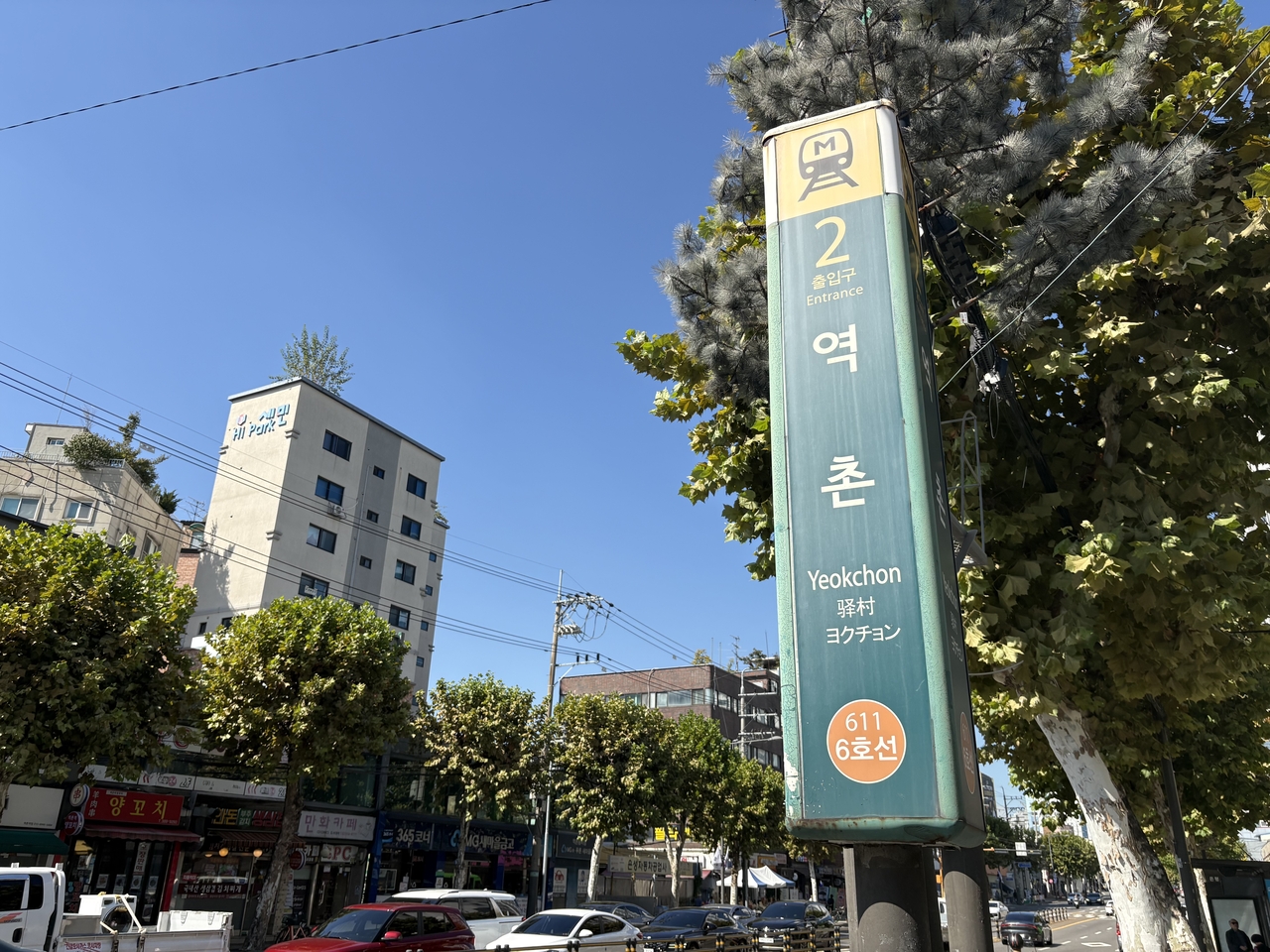
The downward pressure on jeonse prices from the large-scale move-in has yet to spill over to older apartment complexes nearby, however. According to the Ministry of Land, Infrastructure and Transport's actual transaction price disclosure system, a 44-square-meter unit at Nokbeon Station e-Pyeonhansesang Castle in Eungam-dong, Eunpyeong-gu, set a new high on Sept. 5 when it contracted at 570 million won. An 84-square-meter unit in the same complex also traded at a record 870 million won on Aug. 22. That deal was a renewal contract in which the tenant did not exercise the right to request contract renewal, and the deposit rose 240 million won from the previous 630 million won.
An agent at one agency said jeonse prices at neighboring complexes such as Nokbeon Station e-Pyeonhansesang Castle are holding steady or even rising, and noted that because older buildings still have units eligible for jeonse loans, demand may actually shift in that direction.
Some in the industry expect the move-in wave to eventually ease the jeonse shortage in the surrounding area. One agent said there is demand from residents in Eunpyeong-gu and the neighboring Seodaemun-gu looking to upgrade to a new build, and predicted that the large complex would gradually pull down jeonse prices in the area over time.
Experts said the move-in effect is a common phenomenon, but that the extent of price adjustments and the pace at which listings are absorbed vary by local demand. Seo Gwang-chae, a professor in the real estate department at Hanyang Cyber University, said the large volume of supply coming onto the market in Eunpyeong-gu would likely put temporary downward pressure on jeonse prices in the vicinity.
Seo added that within Seoul, areas with strong demand — such as Seocho — would see little to no move-in effect, while outer districts would take relatively longer to absorb listings, pointing to a growing divergence in conditions across different parts of the city.
shy@heraldcorp.com
hope@heraldcorp.com