USDC remittance feature to launch in the US in the last week of October
Solana, Sui to provide blockchain infrastructure; Coinbase to handle custody
About three years in the making, after service design and regulatory review
'Integration into everyday payments' seen as potential tipping point for mass adoption
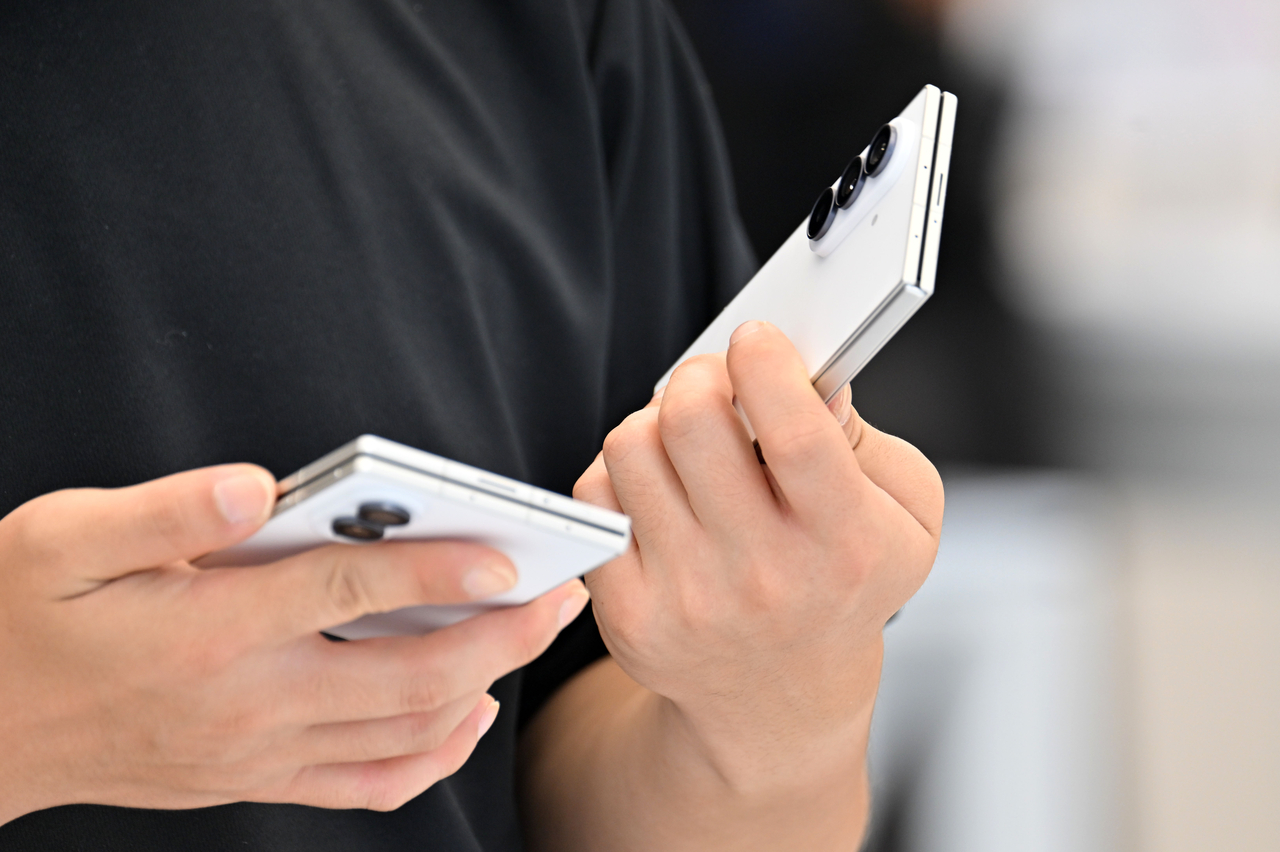
"Stablecoins have the potential to make sending money around the world faster and easier. We hope Galaxy users can enjoy these benefits without having to navigate complex existing digital asset tools." — Chae Won-cheol, head of the Digital Wallet team at Samsung Electronics' Mobile Experience (MX) division
Samsung Electronics' US subsidiary will introduce a stablecoin international remittance feature to Samsung Wallet this month. By adding a dollar-based stablecoin transfer function to a smartphone wallet that already manages cards, tickets and ID documents, digital assets are expected to work their way deeper into everyday life across about 82 million Galaxy devices.
Samsung Electronics' US unit announced Wednesday (local time) that it will offer a stablecoin wallet feature within Samsung Wallet to Galaxy users in the United States starting in the last week of October. The first supported asset is USDC, a dollar-denominated stablecoin issued by Circle. Samsung said in its official announcement that the feature will be available on about 82 million Galaxy devices in the US.
The core of the service is that the stablecoin functionality has been integrated directly into the existing Samsung Wallet. Galaxy users aged 18 and older living in the United States can send USDC to another person's digital asset wallet or exchange account — free of charge — without installing a separate digital asset app, creating a wallet such as MetaMask, or managing their own private keys.
Recipients do not need a digital asset app or wallet either. In addition to sending USDC to overseas wallets, Samsung Wallet also supports transfers to bank accounts in more than 60 countries, in which case the recipient receives the funds in local currency rather than USDC.
Samsung said recipients "can receive money directly into their bank account without a digital asset wallet, making remittances more convenient," adding that users can "easily send USDC from their Galaxy device — whether splitting travel expenses or sending money to a friend."
Several companies are involved in the service. Account management and fund transfer services will be provided by Bastion, a stablecoin infrastructure firm. Coinbase will participate as a sub-custodian for Bastion, storing USDC held in Samsung Wallet in Coinbase Prime Vault. Users must complete biometric authentication on their Galaxy device when initiating a transfer.
Sui and Solana will handle the blockchain infrastructure. Sui will support free or near-zero-fee USDC transfers on Samsung Wallet using its network. Solana said Wednesday that "the supply of stablecoins on our network has grown 20 percent year-on-year, and more than $5.25 trillion in transactions have been processed this year alone," adding that "because Solana's infrastructure operates in the background, Galaxy users can send money seamlessly within the familiar Samsung Wallet environment."
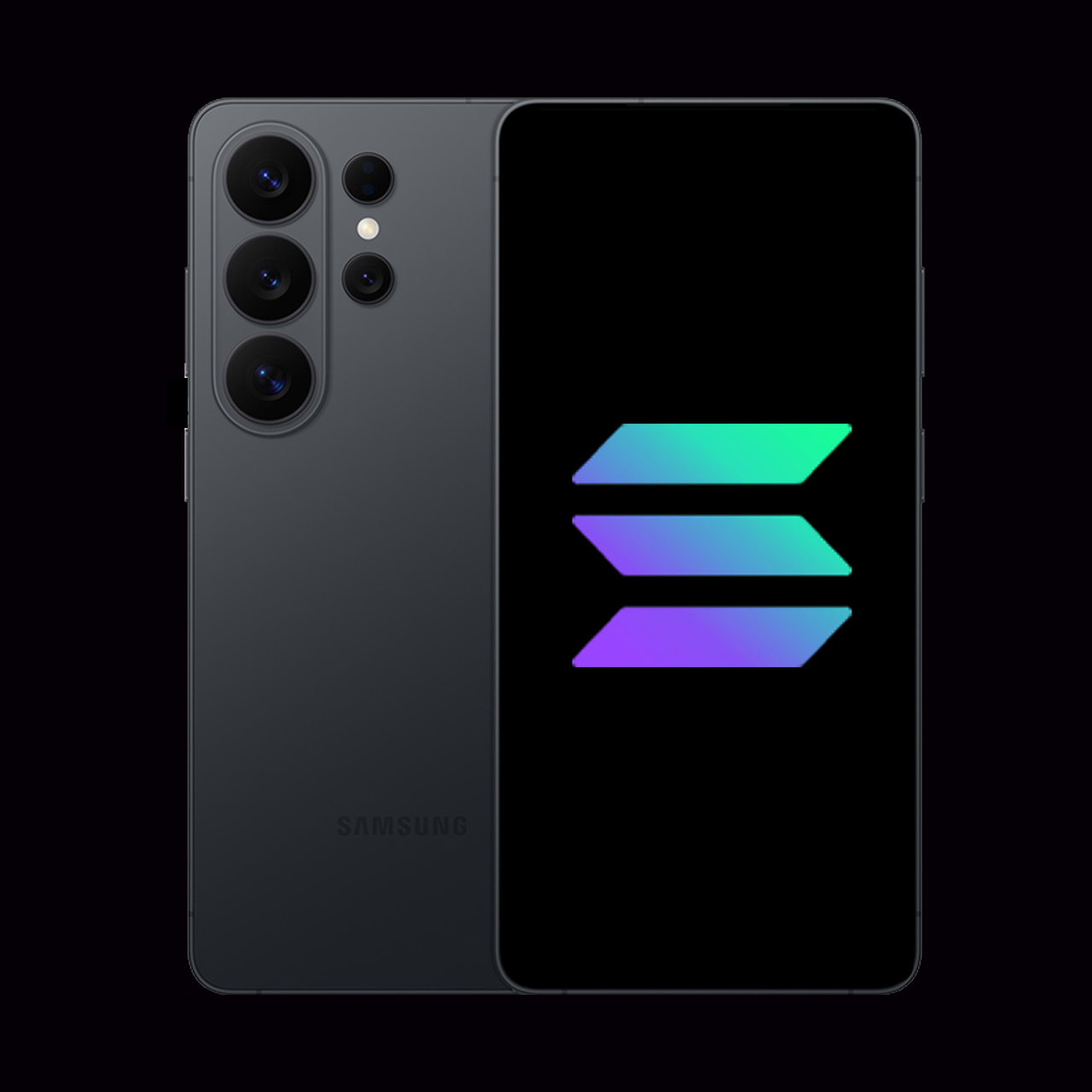
Chae, head of the Digital Wallet team at Samsung Electronics' MX division, said "Samsung Wallet is focused on making useful features easy and intuitive to use." Lily Liu, president of the Solana Foundation, said that "over the past decade, stablecoins have proven their technical viability but have struggled to break into the mainstream," predicting that "the collaboration between Samsung and Solana will be a catalyst for integrating the digital dollar into everyday life."
Adeniyi Abiodun, co-founder and chief product officer of Mysten Labs, said "the next challenge is getting people to use stablecoins within the services they use in their daily lives," adding that "Sui provides the infrastructure to enable free USDC transfers on Samsung Wallet around the clock."
The service took about three years to bring to market. The work involved not only embedding stablecoin functionality into the wallet but also designing the broader service architecture — including how to handle conversion to and from fiat currency and who would manage payments and settlement. Early in the discussions, the US stablecoin legislation known as the GENIUS Act did not yet exist, meaning regulatory review also required considerable time.
Industry observers say the announcement significantly broadens the touchpoints for stablecoin use. Yoon Seung-sik, head of research at Tiger Research, said that "asking ordinary financial consumers to install a new wallet like MetaMask is itself an added burden," and that "it is highly meaningful that stablecoins have been added to an everyday payment tool people already use."
Yoon added that users should be able to send money the way they use existing services, without being aware of the underlying blockchain technology. "If a user notices something different during the payment process, it could mean the experience has become less convenient or that extra steps have been added," he said. "It is important that consumers do not feel any difference in the payment process."
Analysts also see Samsung's move as part of a broader smartphone differentiation strategy. On why Samsung chose to launch the service, Yoon said it appears "future utility has become a key issue," adding that "because today's smartphones have already crossed a technological plateau, Samsung seems to be trying to carve out a differentiator in the payments space."
kyoung@heraldcorp.com