Even the Mongol army, which had conquered both Europe and Asia, could not take Hanyesan Fortress in Inje-gun, Gangwon Province.
Civilians and soldiers built an iron-walled mountain fortress on rugged terrain and fought to the last, defeating what was then the world's most powerful army. Among the rare defeats suffered by the medieval Mongol empire in its campaign of global conquest, one was recorded right here in Inje-gun.
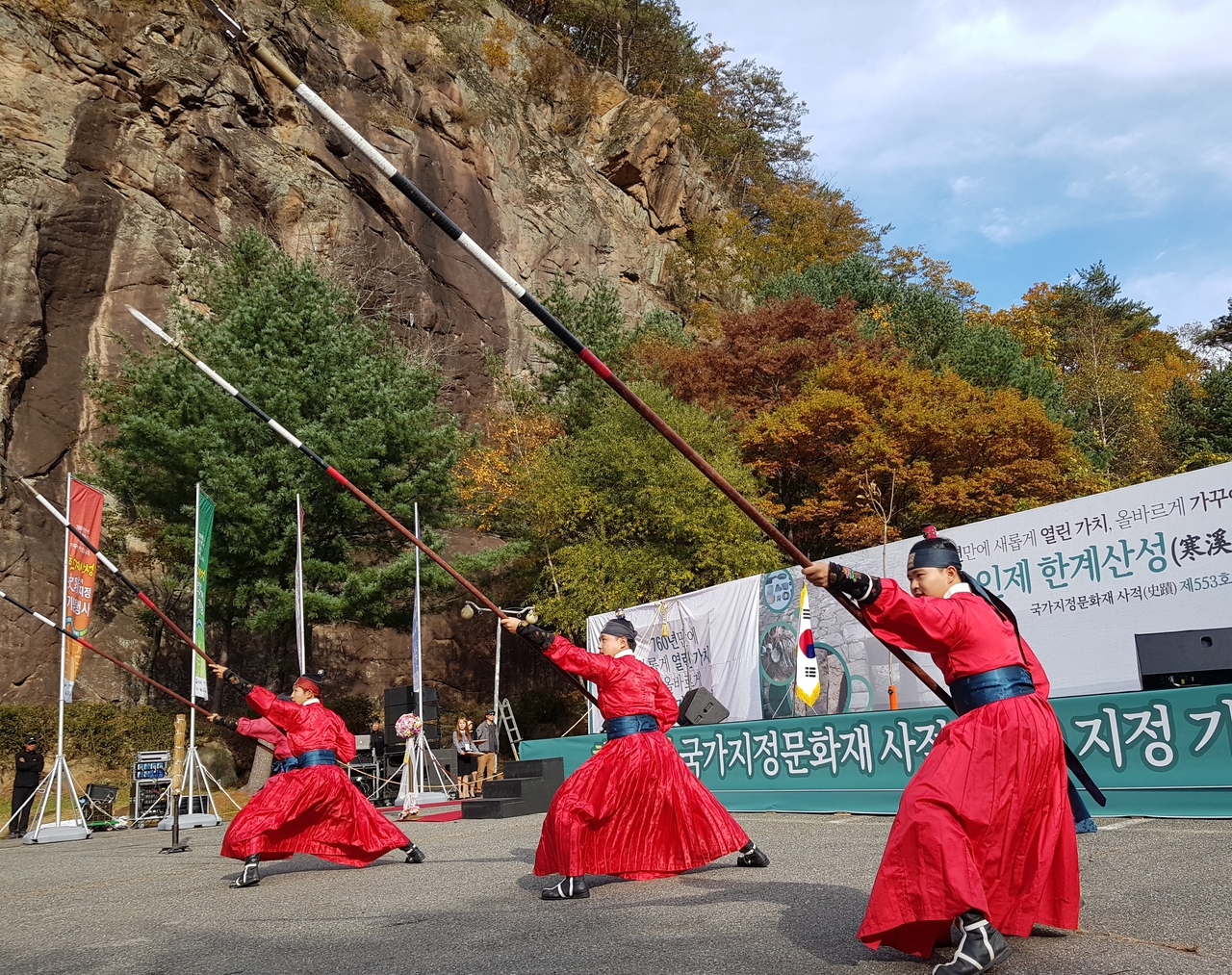
The fortress opened Thursday, with full public visits beginning Friday. The trail is steep, but Inje-gun has developed a safe hiking route with guided commentary, and trail runners have already been arriving with looks of quiet pride.
Since Hanyesan Fortress was designated a national heritage site in October 2019, Inje-gun has been building visitor infrastructure, including a trail and a visitor support center. Visits are conducted in cooperation with the Seoraksan National Park office, offering a safe and engaging journey through history.
The newly opened trail runs 0.9 kilometers from the parking lot of the Hanyesan Fortress Visitor Support Center to the south gate site of the fortress's lower wall, with a round trip taking about an hour. Except during wildfire alert periods, the trail operates from 9 a.m. to 4 p.m. year-round, and support facilities including the visitor center, restrooms and parking lot are also set to remain open throughout the year.
Inje-gun and the Seoraksan National Park office plan to run a pilot program through December using on-site reservations, before switching to a flexible online booking system through the national park reservation platform starting in 2027.
To promote safe visits and raise awareness of the national heritage site within the park, the Seoraksan National Park office has prepared a range of activities, including hiking safety classes, carbon neutrality experiences, eco-stencil workshops featuring artifacts excavated from the fortress, national park ranger experiences and a Seoraksan photo exhibition.
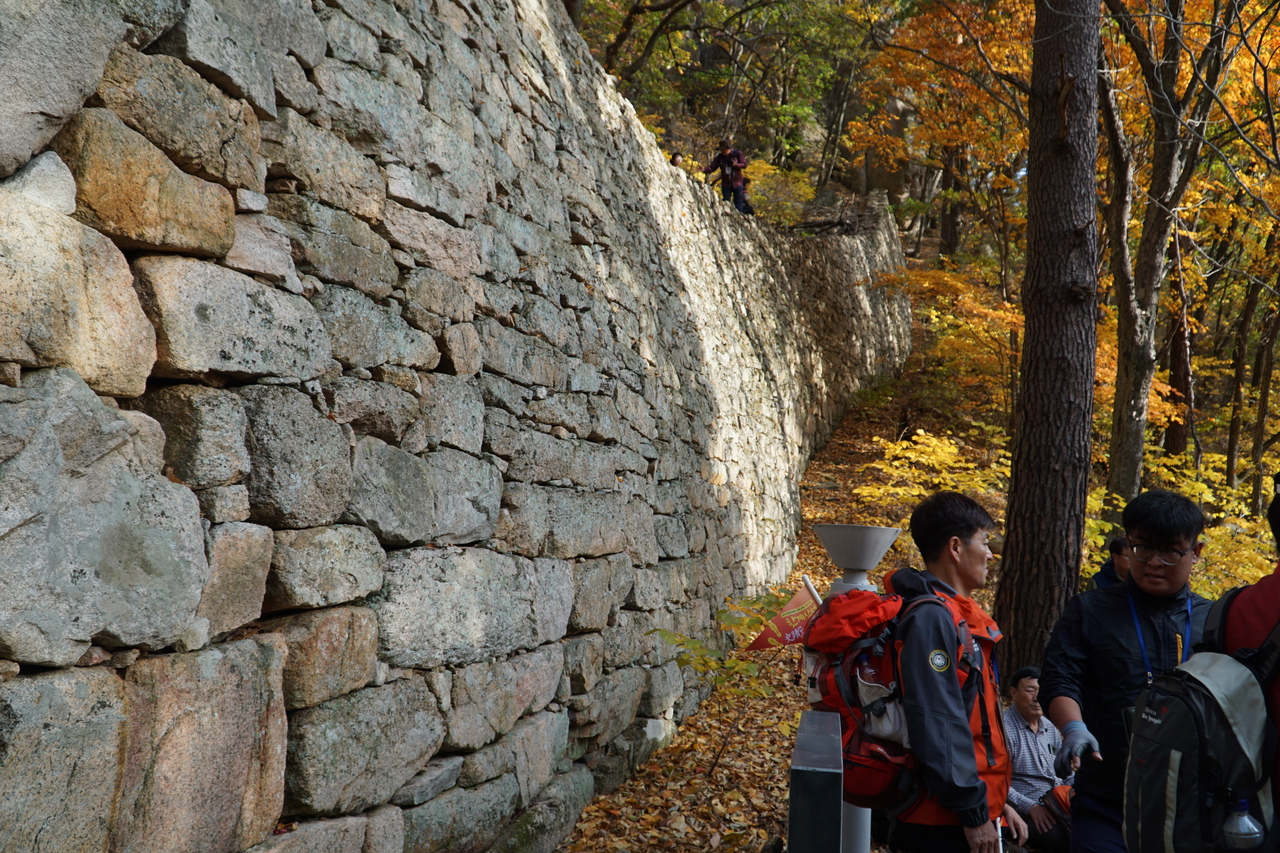
For about 50 years, Hanyesan Fortress was not included in the official designated trail network within Seoraksan National Park, restricting public access. Its historical significance as a site of resistance against the Mongol invasion and a symbol of national resilience had also gone largely unrecognized.
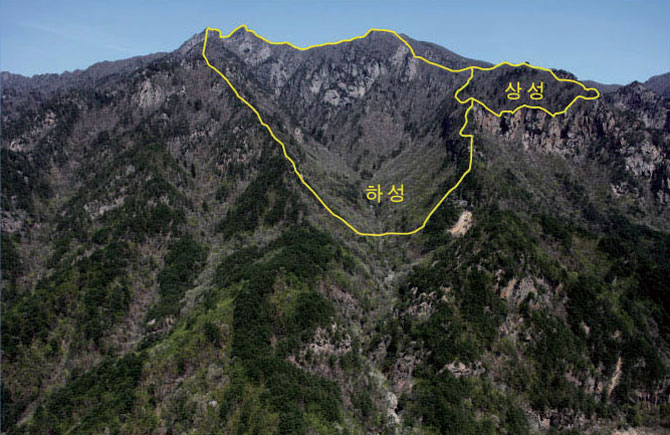
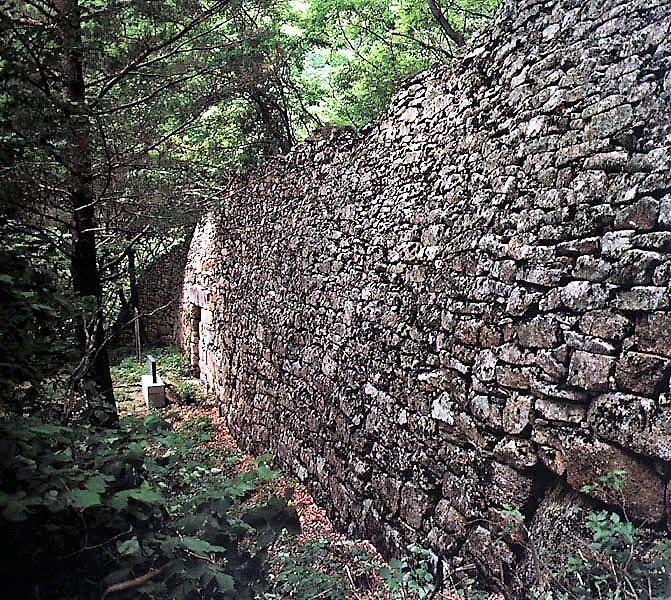
Hanyesan Fortress is one of the most important relics of the anti-Mongol struggle — a large-scale stone fortress built to exploit the rugged terrain of Seoraksan. Stretching about 7 kilometers across the southeastern and east-west ridgelines of Ansan, it is considered one of the most formidably situated mountain fortresses in South Korea.
Residents of Inje-gun in Gangwon Province have long called the valley below Ansan in Hangyeri, Buk-myeon, "Seonggol," meaning fortress valley. They believed, with good reason, that the fortress perched high on the mountain summit — at 1,430 meters above sea level — had long protected their community. Even the Mongol army, regarded across history as the world's most fearsome fighting force, suffered heavy losses against the fortress's impregnable structure and the desperate resistance of local civilian-military defenders, and was ultimately forced to withdraw.
According to the Goryeosa, the official history of the Goryeo dynasty, the Yabyeolcho troops under An Hong-min who defended Hanyesan Fortress did not merely hold the walls and protect the people — they launched surprise raids on Mongol encampments scattered across the mountain slopes, leaving almost none of the attackers alive. That history is what makes the steep climb to Hanyesan Fortress feel deeply rewarding.
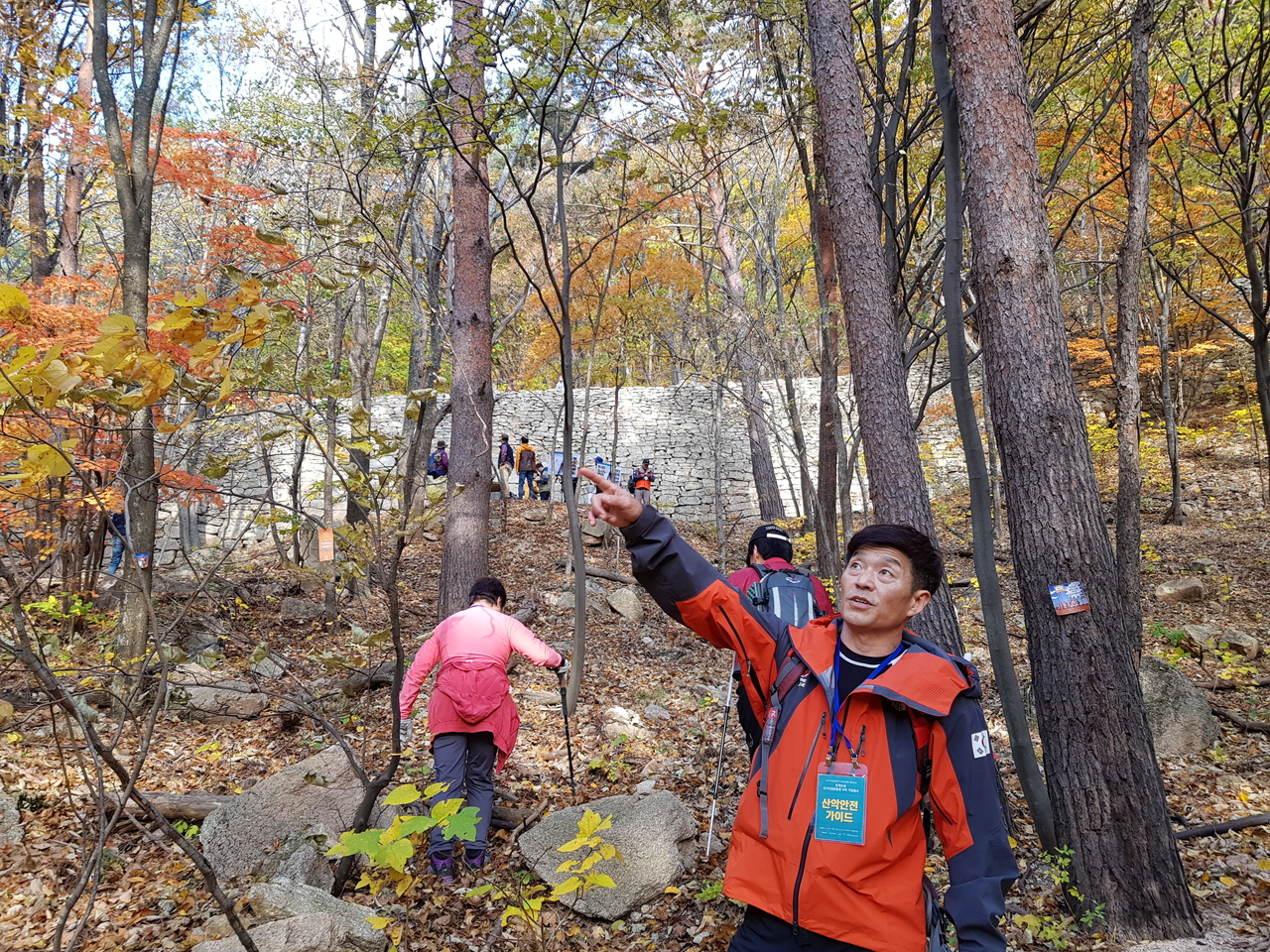
The opening of the Hanyesan Fortress trail is also expected to breathe new life into the broader Hangye area community.
The Hangye area has long struggled with social and economic decline, hampered by development restrictions tied to its designation as a natural reserve and national park, and by a drop in foot traffic following the opening of the Misoryeong Tunnel and the Chuncheon-Yangyang Expressway.
Inje-gun hopes that the public opening of Hanyesan Fortress — recognized as one of the most significant national defense heritage sites in the Seorak region — will not only spread awareness of its historical and cultural value but also generate new tourism demand and contribute to the revitalization of the Hangye area.
abc@heraldcorp.com