National Investigation Headquarters chief says revised criminal procedure law includes robust checks on police
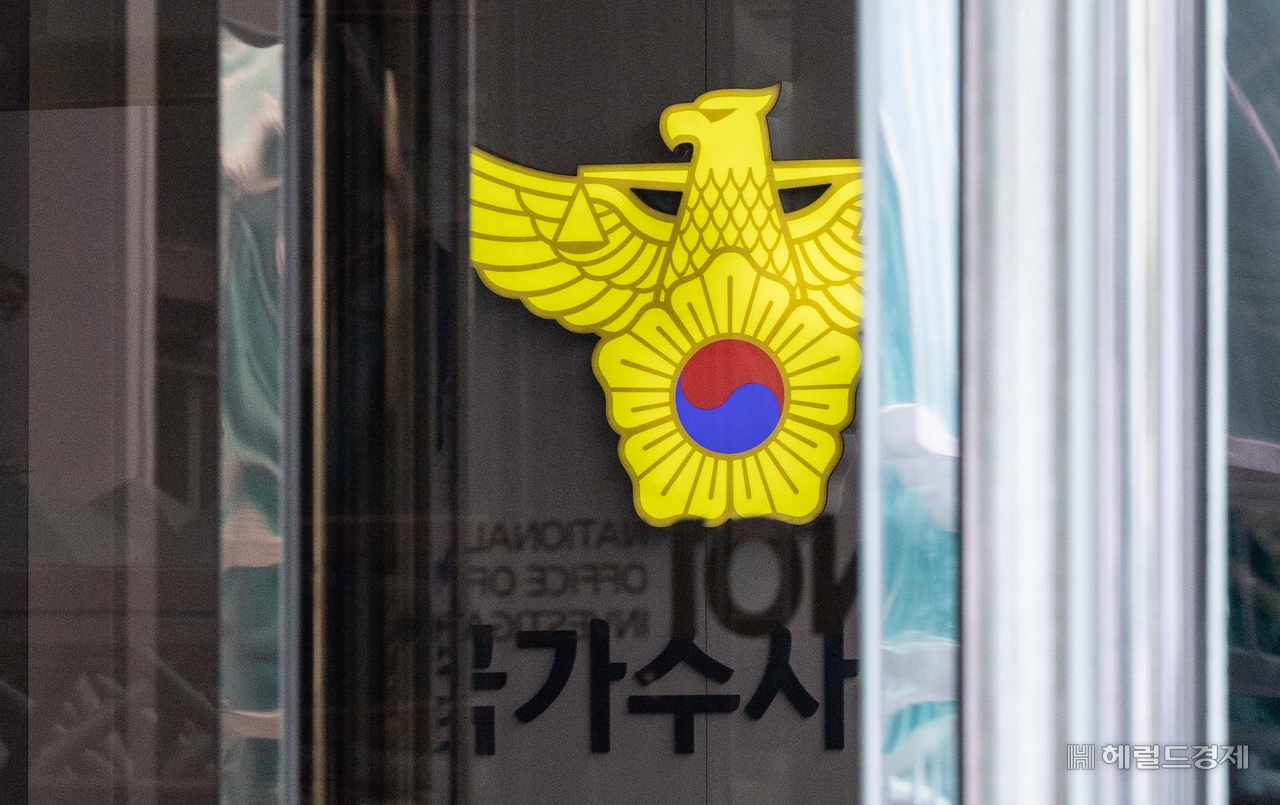
The chief of the Korean National Police Agency's National Investigation Headquarters pushed back Monday against criticism that abolishing prosecutors' investigative powers has left police with an outsized role, saying the change does not amount to an expansion of police authority.
Hong Seok-gi, speaking at the agency's headquarters in Seodaemun-gu, Seoul — four days before the revised Code of Criminal Procedure takes effect — said the so-called "dinosaur police" label misreads the timeline. "Police were given independent investigative authority back in 2021, when the police-prosecution investigative powers adjustment was made," he said. "Police have already spent the past five years exercising that independent authority, training and building experience."
He also addressed concerns that the new framework lacks adequate checks on police investigations. "If you look carefully at the revised criminal procedure law, you will find that parties to a case — including the prosecution office and complainants — have mechanisms to control police investigations," he said.
Hong argued that the establishment of the new Serious Crimes Investigation Agency has actually narrowed the range of cases police handle on their own.
"Major crimes will now be handled by the Serious Crimes Investigation Agency, a separate investigative body, so the scope of cases investigated solely by police has in fact shrunk," he said. "Just as police used to compete with prosecutors on certain crimes, the new agency will take on its own caseload — so police can be seen as carrying a lighter burden."
He added that while police and the new agency could compete on merit, he believed police should focus on everyday crimes such as phishing and domestic violence to avoid inconveniencing the public.
Hong acknowledged, however, that with prosecutors stripped of their direct investigative powers entirely, police bear greater responsibility at the post-referral stages — indictment and trial.
"Abolishing prosecutors' investigative authority does not mean police investigative authority has grown," he said, "but because prosecutors who hold the power to indict can no longer conduct supplementary investigations themselves, police supplementary investigations must function properly." He added that police would need to fill gaps arising during indictment and trial proceedings, broadening the scope of police accountability.
Closing his remarks, Hong said he was well aware of widespread concern about the new criminal justice framework. "We will manage investigations swiftly and strictly so that the guilty are punished without fail and the innocent are freed from criminal proceedings at the earliest possible stage — so that not a single person suffers an unjust outcome," he said.
arin@heraldcorp.com