In partnership with the Seoul AI Foundation, the district analyzed pedestrian flow and age demographics along the Jungnang Donghaekkil route to guide targeted improvements based on resident and expert input.
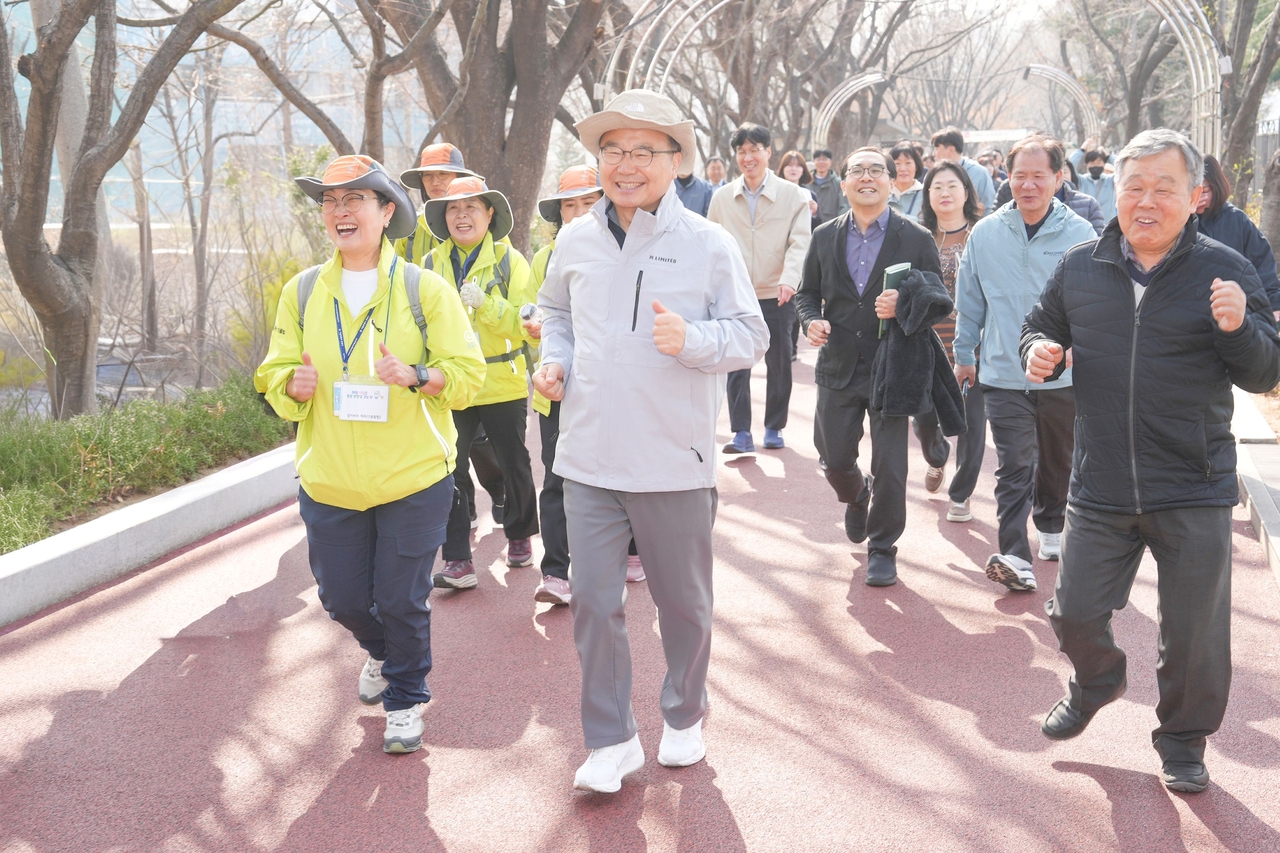
Jungnang-gu is moving to improve walking conditions along the Jungnang Donghaekkil route using data analysis, aiming to support residents in building healthier walking habits.
The project draws on findings from a pedestrian environment study conducted in partnership with the Seoul AI Foundation. The district analyzed pedestrian flow and facility data along key sections of the route to assess usage patterns and walking conditions at each segment.
The analysis found that the daily average pedestrian count along the Jungnang Donghaekkil route in 2025 was 13,212. The stretch between Jungnang Rose Cafe, Taereung Station and Hwarangdae Station recorded the highest foot traffic.
Age breakdowns varied by segment. Older adults accounted for 36.2 percent of users on the section between Jungnang Camping Forest and Jungnang Mangwu Space, while middle-aged users made up 44.4 percent near Gyeomjae Small Library and Yongma Waterfall Park. Youth users represented 26.3 percent near Jungnang Rose Cafe and the Yongma Waterfall Park area.
The district plans to incorporate the segment-by-segment usage data and facility assessments into its improvement efforts. On-site surveys and public consultations involving residents and specialists will be conducted to guide tailored upgrades for each section.
"We will use the data to take a close look at which sections residents use most and what facilities are needed, and incorporate feedback gathered on the ground to create a more walkable environment," District Mayor Ryu Gyeong-gi said. "We will continue to manage the Jungnang Donghaekkil so it becomes a path where people can comfortably walk and linger as part of their daily lives."
seouldream01@heraldcorp.com