South Korea's bond market closed Thursday through Sunday
Oil price moves after US-China summit in focus
US interest rates, government bond issuance also key variables
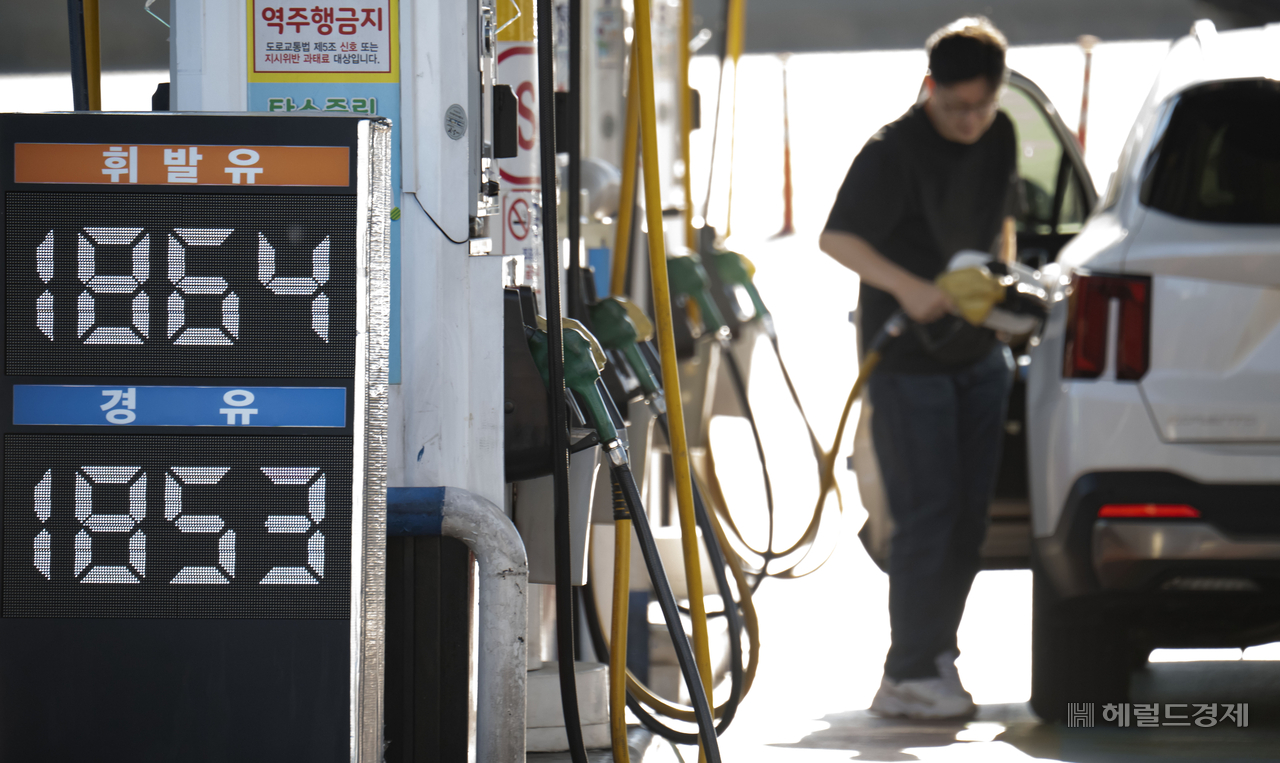
While South Korea's bond market sits idle for four days during the Chuseok holiday, global financial markets keep moving. As traders prepare for Monday's reopening, the US-China summit and international oil prices are drawing the most attention — particularly how much crude moves in response to Middle East tensions, which could ripple through to domestic interest rates.
The domestic bond market closed Thursday and will remain shut through Sunday before reopening Monday, according to Yonhap. Financial investment industry officials have identified the US-China summit and oil price movements during the holiday as the two key variables to watch.
President Donald Trump and Chinese President Xi Jinping are holding a summit at the White House on Thursday. Discussions are expected to cover an extension of the trade truce, AI, the Taiwan issue and a response to the war involving Iran.
What the bond market is watching most closely is where oil prices go after the summit. If Middle East tensions ease and crude falls, inflationary pressure would ease as well, acting as a stabilizing force for interest rates. If tensions escalate and oil climbs further, however, inflation concerns would mount and upward pressure on interest rates in both the United States and South Korea could follow.
Domestic variables also await the market after the holiday. The Ministry of Economy and Finance is set to release its October government bond issuance plan on Oct. 1. Market participants are focused less on the total issuance volume and more on how much long-term debt — particularly 10-year and 30-year bonds — will be supplied. A larger-than-expected supply could push bond prices down and drive yields higher.
The possibility of another rate hike by the Bank of Japan is an additional wildcard. The BOJ raised its policy rate to 1.25% this month, but with the yen continuing to weaken, analysts say Japan's inflation trajectory and the prospect of further tightening remain to be seen.
Monday also coincides with the end of both the month and the quarter. The convergence of foreign investor and domestic institutional trading activity could amplify interest rate swings beyond their usual range.
Ultimately, oil prices and US interest rates are seen as the deciding factors for the direction of the domestic bond market after the Chuseok break. If both stabilize, the outlook for South Korean bonds would be positive — but if oil surges again and US yields rise, domestic rates could come under renewed upward pressure, market watchers say.

jookapooka@heraldcorp.com