Bank of Korea releases September consumer survey results
Current household debt index hits highest in 1 year and 9 months
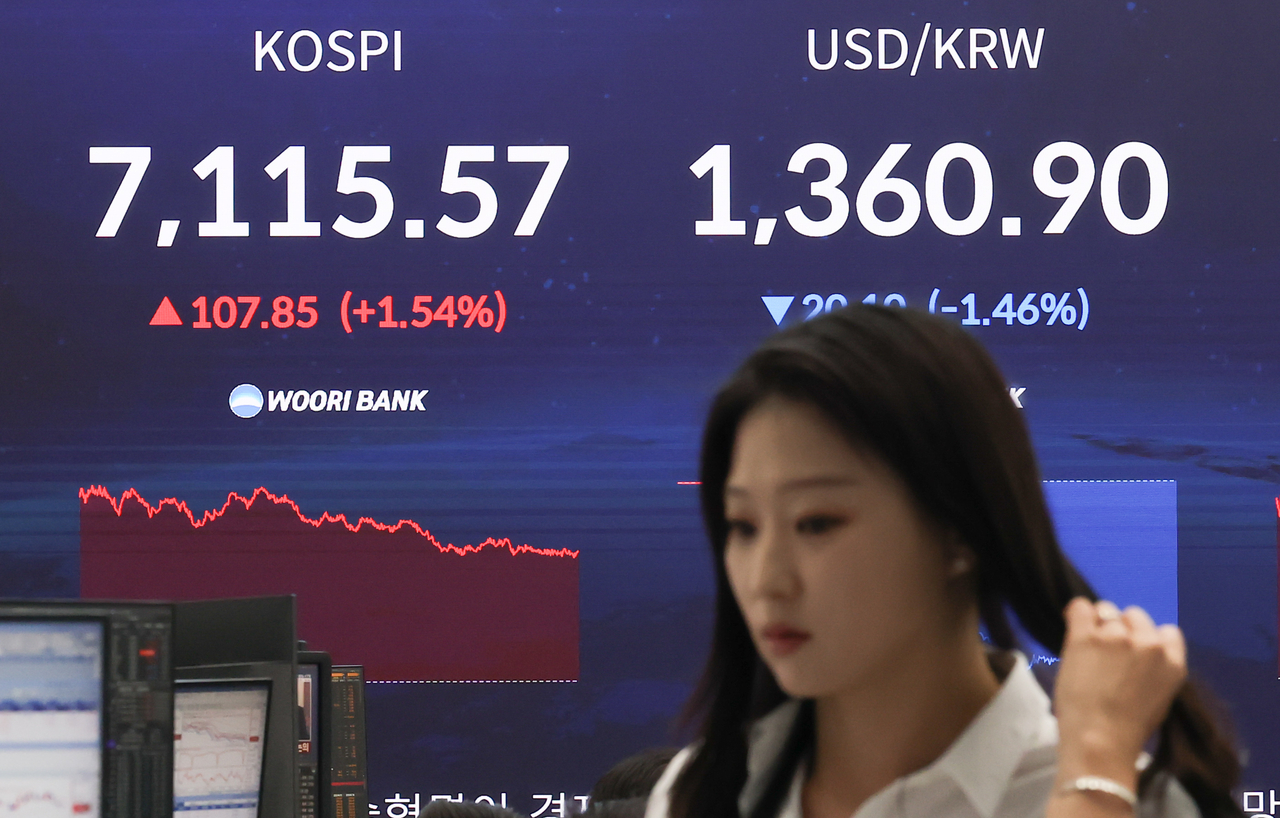
Consumer sentiment bounced back this month after reduced stock market volatility and solid economic fundamentals raised expectations for income improvement.
According to the Bank of Korea's September 2026 consumer survey released Wednesday, the composite consumer sentiment index stood at 106.6, up 2.1 points from the previous month. The index had risen for three consecutive months from May (up 6.9 points) before turning lower in August, and this month's reading marks a rebound within a month of that decline.
"The index rose as expectations for improved income conditions strengthened, supported by solid real economic activity amid reduced volatility in the domestic stock market," the central bank said.
The composite consumer sentiment index is a comprehensive gauge of consumers' economic outlook. It is calculated using six component consumer sentiment indexes — current living standards, living standards outlook, household income outlook, consumer spending outlook, current economic assessment and future economic outlook. A reading above 100 indicates that consumer sentiment is more optimistic than the long-term average, while a reading below 100 signals pessimism.
Among the key components, the household income outlook index rose 2 points to 102, reflecting growing expectations that income conditions will improve as economic growth broadens.
The current economic assessment index climbed 4 points to 83, as exports and consumption continued to support solid economic activity while domestic stock market volatility eased. Kospi swung sharply between the low and high 6,000s last month before settling into a relatively stable trend this month. On Tuesday, Kospi closed at 7,017.91, up 10.19 points, or 0.15 percent, from Monday.
The housing price outlook index came in at 125 the previous month, as upward pressures — including sharp gains in apartment prices in the Greater Seoul area — offset downward factors such as real estate policy measures and benchmark interest rate hikes.
The current household debt index rose 1 point from the previous month to 101, its highest level since December 2024, when it also stood at 101 — a gap of 1 year and 9 months. The Bank of Korea noted, however, that the reading still remains below its long-term average.
The one-year-ahead expected inflation rate, which reflects consumers' outlook for consumer price growth over the next 12 months, held steady at 2.7 percent, unchanged from the previous month. Upward pressures — including rising global oil prices following a resumption of conflict in the Middle East — were offset by downward factors such as expectations for continued monetary tightening and a decline in the won-dollar exchange rate. Both the three-year and five-year ahead expected inflation rates also remained unchanged at 2.6 percent each.
kimstar@heraldcorp.com