City eyes November railway network plan announcement
Seoul-Taebaek link targeted at under 2 hours
KTX branch via Pyeongchang, Jeongseon also sought

With the government set to release its fifth national railway network construction plan (2026–2035) in November, the city of Taebaek in Gangwon Province is mounting an all-out campaign to persuade the central government to include a straightening of the Taebaek Line.
According to Taebaek city officials Wednesday, the project to straighten and upgrade the Taebaek and Yeongdong lines would improve the winding alignment of the existing rail corridor linking Jecheon, Taebaek and Samcheok, shortening the route from 95.4 kilometers to 85.1 kilometers and dramatically cutting travel times.
The city is also pushing to upgrade the lines for high-speed service, with a goal of cutting the Seoul-Taebaek travel time to under two hours. Officials said they have been working with Gangwon Province and relevant agencies to continuously urge the government to recognize the project's necessity.
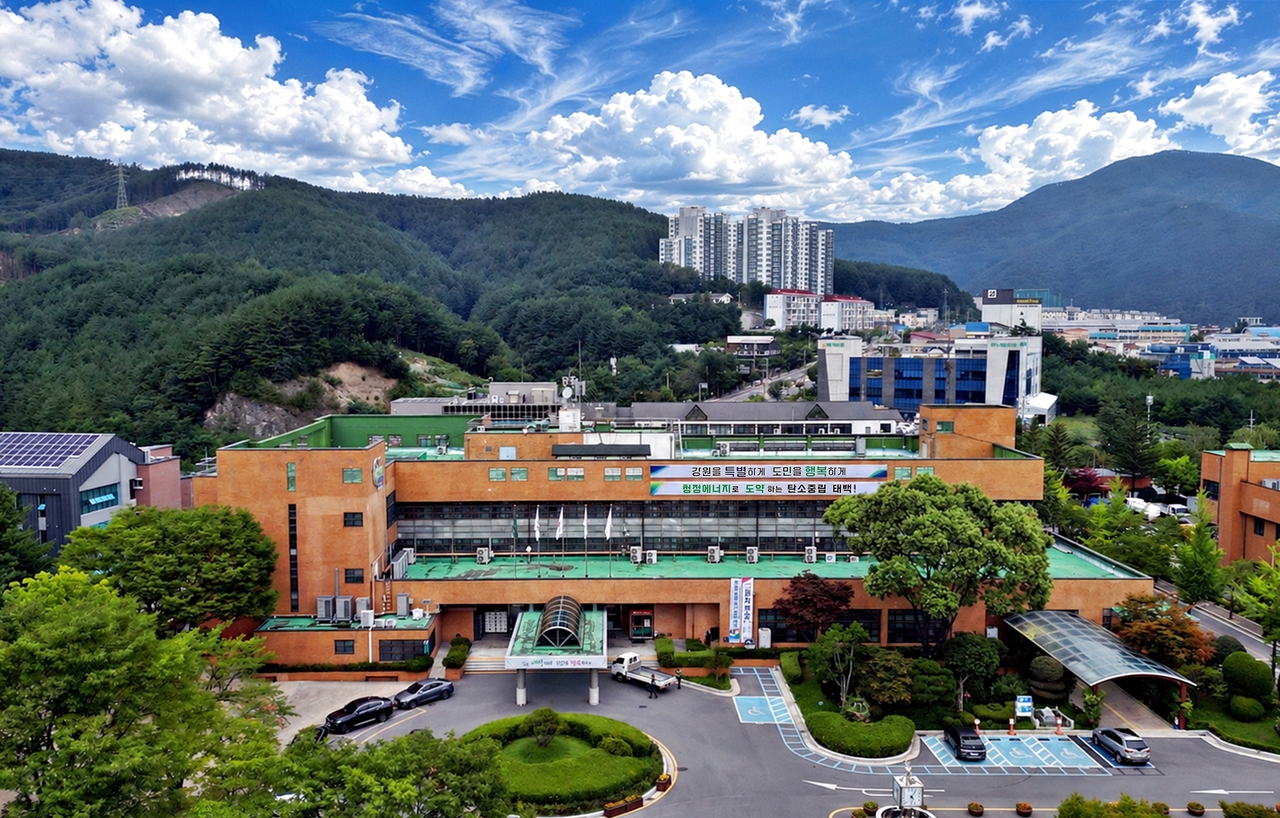
"Just as industrial railways were laid in 1973 to serve the coal industry that drove South Korea's industrialization, the time has come to expand a high-speed rail network that can move workers and improve corporate access," Taebaek Mayor Lee Sang-ho said. "Large-scale industries — including an underground research laboratory and clean methanol production — are now being developed in Taebaek following the closure of the mines." Lee added that the city aims to build two KTX access corridors connecting Greater Seoul and Taebaek through the straightening and upgrading of the Taebaek and Yeongdong lines and a link via the Pyeongchang–Jeongseon route, making them a core transport network to drive growth in both industry and tourism.
The city is also pursuing a connection between the Taebaek rail network and the Pyeongchang–Jeongseon line, which links to the KTX Gangneung Line.
The plan envisions extending service from KTX Pyeongchang Station — on the existing Cheongnyangni–Wonju–Pyeongchang–Gangneung corridor — through Jeongseon Station and Sabuk Station to Taebaek Station, creating a second high-speed rail route into the city. Officials said they are working to convey to the central government their intent to boost access for both industry and tourism through this connection.
Before the fifth national railway network plan is released, the city plans to strengthen its coordinated response with Gangwon Province and relevant agencies. It will continue to call on the government to include the Taebaek and Yeongdong line straightening and high-speed upgrade in the national plan and to support the Pyeongchang–Jeongseon link.
abc@heraldcorp.com