12 new teams created, 20 merged or dissolved, cutting total by 8; changes take effect Jan. 1, 2027, with legislative notice open through Oct. 12
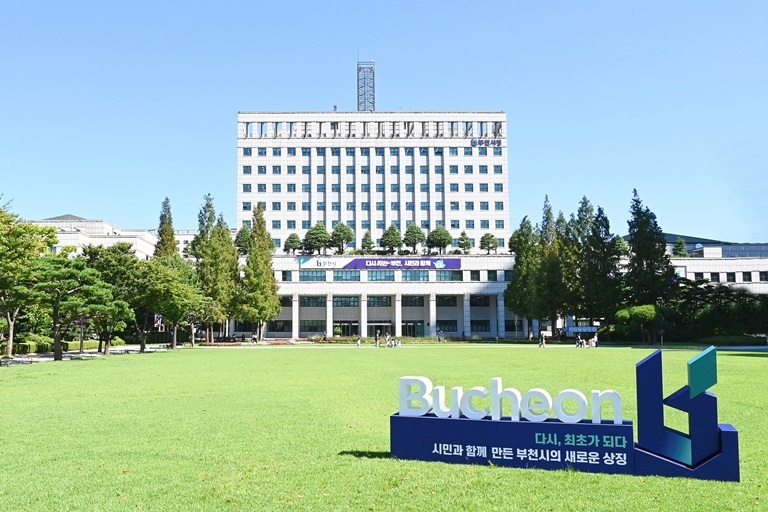
Bucheon is undertaking a sweeping organizational overhaul aimed at delivering on the city's core administrative vision for its ninth elected term and producing results that residents can feel in their daily lives.
The restructuring centers on fostering AI-driven advanced industries, expanding the regional transportation network and strengthening community-level administrative services.
The city announced Monday it will accept public comment on a proposed amendment to its administrative structure and staffing ordinance through Oct. 12.
If the amendment clears the city council in November, it will take effect Jan. 1, 2027, following the required procedures.
The most prominent change is a reorganization designed to secure future growth engines. The existing Economy and Environment Bureau will be rebranded as the AI Economy Bureau, with the Smart City Division — renamed the AI Convergence Division — transferred in from the Planning and Coordination Office, and the Information and Communications Division — renamed the Digital Information Division — moved over from the Administrative Safety Bureau. A specialized industry team within the Business Support Division will also be expanded and redesignated as the AI Industry Team.
The Environmental Policy Division and Climate Energy Division, split off from the Economy and Environment Bureau, will merge with the Parks and Green Space Bureau to form a new Green Environment Bureau.
A Railway Policy Division will be established within the Transportation Bureau to handle major regional transit projects, including the Gyeongin Line underground railway project and the GTX.
A spatial strategy team will be set up within the Urban Planning Division of the Urban Affairs Bureau to pursue urban spatial restructuring initiatives, including easing height restrictions around Gimpo Airport. Staffing will also be reinforced in the divisions responsible for redevelopment of older urban areas and renovation of the Jungdong first-generation new town.
Functions covering on-the-ground welfare, labor and civil complaints — areas where residents notice results most directly — will also be significantly expanded.
Childcare administration, previously scattered across individual district offices, will be consolidated into a new Early Childhood Care Division under the Lifelong Education Bureau to improve policy expertise and consistency.
Two new teams — a Youth Policy Team and a Youth Employment Team — will be added to the Youth and Adolescent Division, while the existing Employment Policy Division will be reorganized as the Labor Policy Division. A direct-complaint team within the Public Communications Office will be converted into a Civil Affairs Communication Team.
The city kept the number of bureau- and division-level (grade 4 and 5) units unchanged while aggressively streamlining grade-6-and-below team-level units that overlapped in function or had seen declining workloads.
Twelve teams were created — including a strategic planning team and an early childhood care team — while 20 were dissolved or merged, reducing the total from 501 to 493, a net cut of eight.
A total of 54 personnel — freed up through the streamlining and including four positions allocated through the 2026 mid-year staffing review — will be assigned preferentially to front-line departments in direct contact with residents, including the main city hall, affiliated agencies and neighborhood administrative welfare centers.
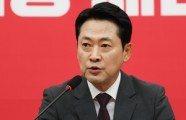
Bucheon Mayor Cho Yong-ik said the reorganization lays the groundwork for translating the city's administrative vision of "Together Again, a Greater Bucheon" into tangible results that residents can experience in their daily lives.
gilbert@heraldcorp.com