Apple cites global privacy policy to refuse third-party location data requests
Korean National Police Agency, National Fire Agency have made hundreds of thousands of requests; Samsung, Xiaomi comply
Korea Communications Commission draws fire for neglecting duty to upgrade location-sharing system
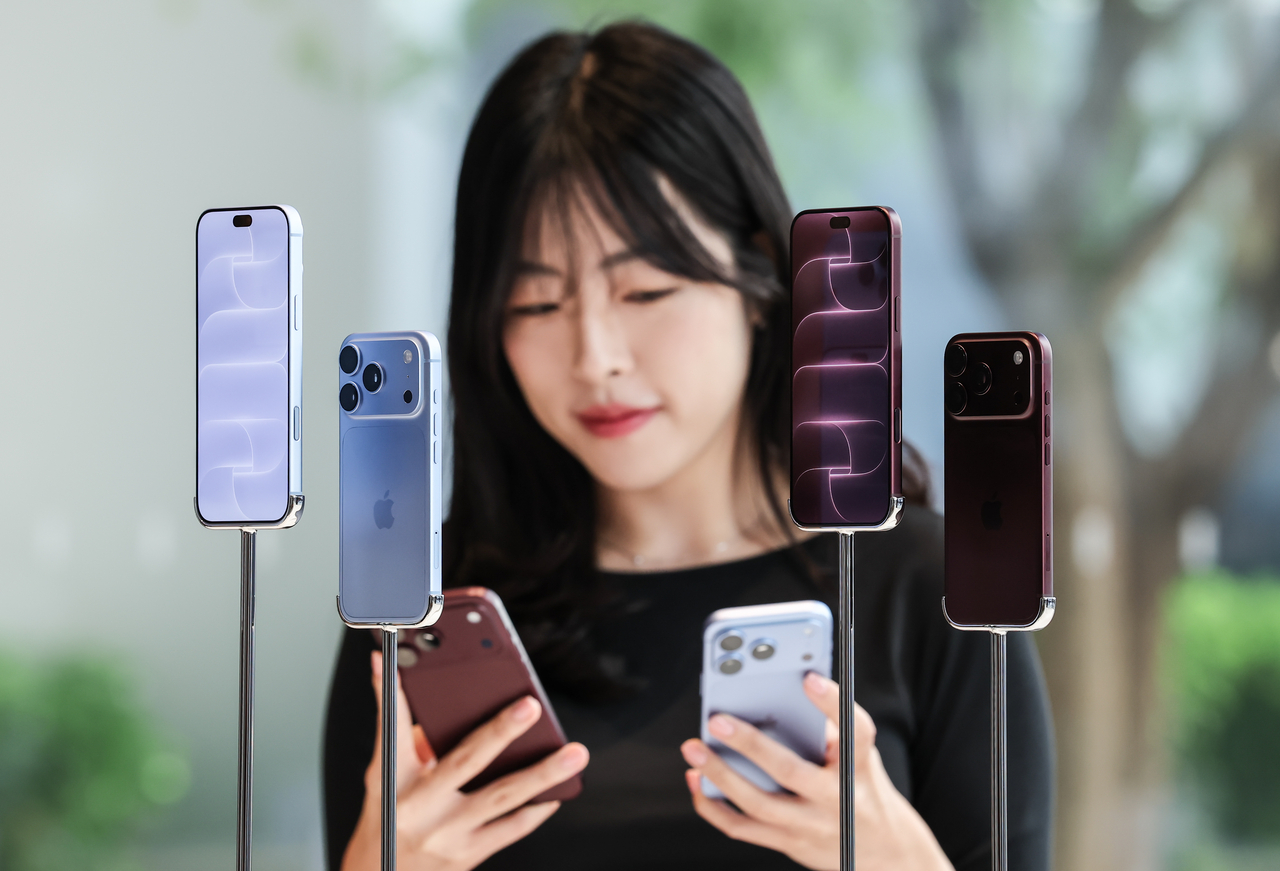
Apple's refusal to share iPhone users' location data when emergency rescue requests come from third parties has left about 10 million iPhone users in South Korea outside the reach of the emergency rescue system. When an iPhone user is involved in an accident or goes missing, family members or acquaintances who call for help on the victim's behalf cannot get authorities to obtain the victim's location from Apple.
Apple had earlier agreed to extend the time window for providing emergency location data from five minutes to 30 minutes, but its continued refusal to honor third-party rescue requests means the concession amounts to only a partial fix. The National Assembly has also raised concerns that the Korea Communications Commission, the agency responsible for overseeing the issue, has been slow to act.
According to a document titled "2026 First Emergency Rescue Location Information Quality Consultative Body Discussion Paper" — obtained through reporting and from the office of People Power Party lawmaker Kim Jang-gyeom — Apple has for years refused requests from the Korean National Police Agency and the National Fire Agency to provide iPhone users' location data when a third party submits an emergency rescue request.
A third-party request arises when an iPhone user is missing or involved in an incident and cannot call for help personally, so a family member, friend or other third party contacts authorities instead. The Korean National Police Agency and the National Fire Agency rely on such requests to obtain a victim's location data.
Android-based devices — including Samsung Electronics' Galaxy series and Xiaomi's lineup — currently provide location data even when the request comes from a third party.
Apple's iPhone, which runs iOS, does not. The company has declined requests from the Korean National Police Agency and the National Fire Agency, citing its global privacy policy.
The core problem is that location data is a basic requirement for meeting the critical window in emergency rescues.
In practice, third-party location requests are far from rare. The National Fire Agency (119) received 46,922 such requests in 2023, 41,603 in 2024, 36,382 last year and 25,881 through August this year. The Korean National Police Agency (112) recorded 265,987 requests in 2023, 268,252 in 2024 and 273,047 last year.
Those requests are understood to involve users of Samsung Electronics, Xiaomi and other Android devices. For iPhone users, the three major mobile carriers can provide location data through cell towers, but the coverage radius of each tower is so wide that it makes emergency response extremely difficult.
A standard 5G (3.5 GHz) base station covers an outdoor radius of roughly 1.4 square kilometers, meaning the area the Korean National Police Agency or the National Fire Agency must search is far too large to be practical. That is why both agencies have spent years pressing Apple to provide location data for third-party rescue requests.
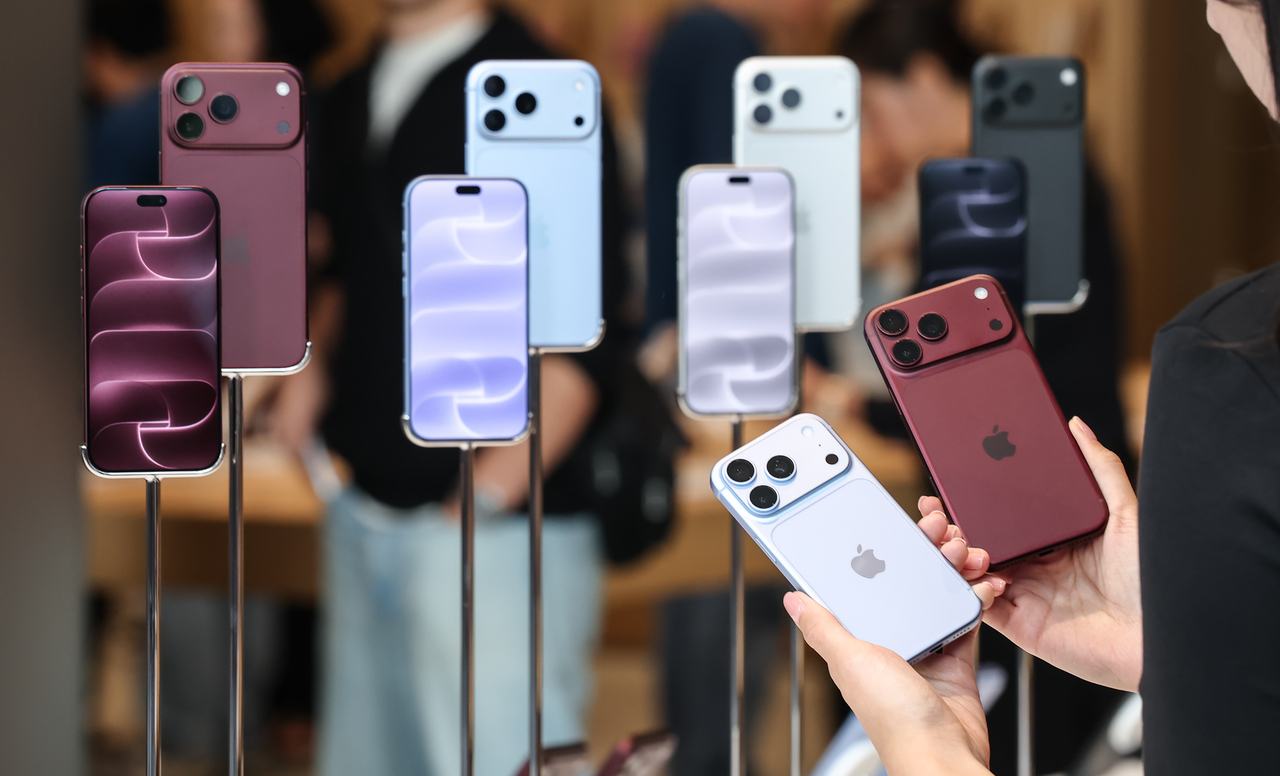
The Korean National Police Agency and the National Fire Agency have also asked that device information be included when location data is shared. iPhones currently return only cell tower values, but knowing that a victim is an iPhone user would allow authorities to pursue alternative search strategies.
"Even if many users in Korea use Galaxy devices, a significant number use iPhones," a Korean National Police Agency official said. "Even if a cell tower radius were just 100 meters, the presence of high-rise buildings makes the search extremely difficult."
The Korea Communications Commission's response to the issue has also drawn fire in the National Assembly. Critics say the commission has been passive in the emergency rescue location information consultative body meetings it holds annually — and this year it convened the group only once.
"If authorities cannot properly respond to third-party emergency rescue requests in disasters or missing-person cases where the victim cannot call for help themselves, then extending the location data window to 30 minutes will inevitably have its limits," Kim said. "The Korea Communications Commission, which has a duty to persuade Apple and upgrade the location data provision system, held just one perfunctory meeting this year and has essentially washed its hands of the matter."
ko@heraldcorp.com