Police: Jang's father received investigation information but did not intervene to downplay case
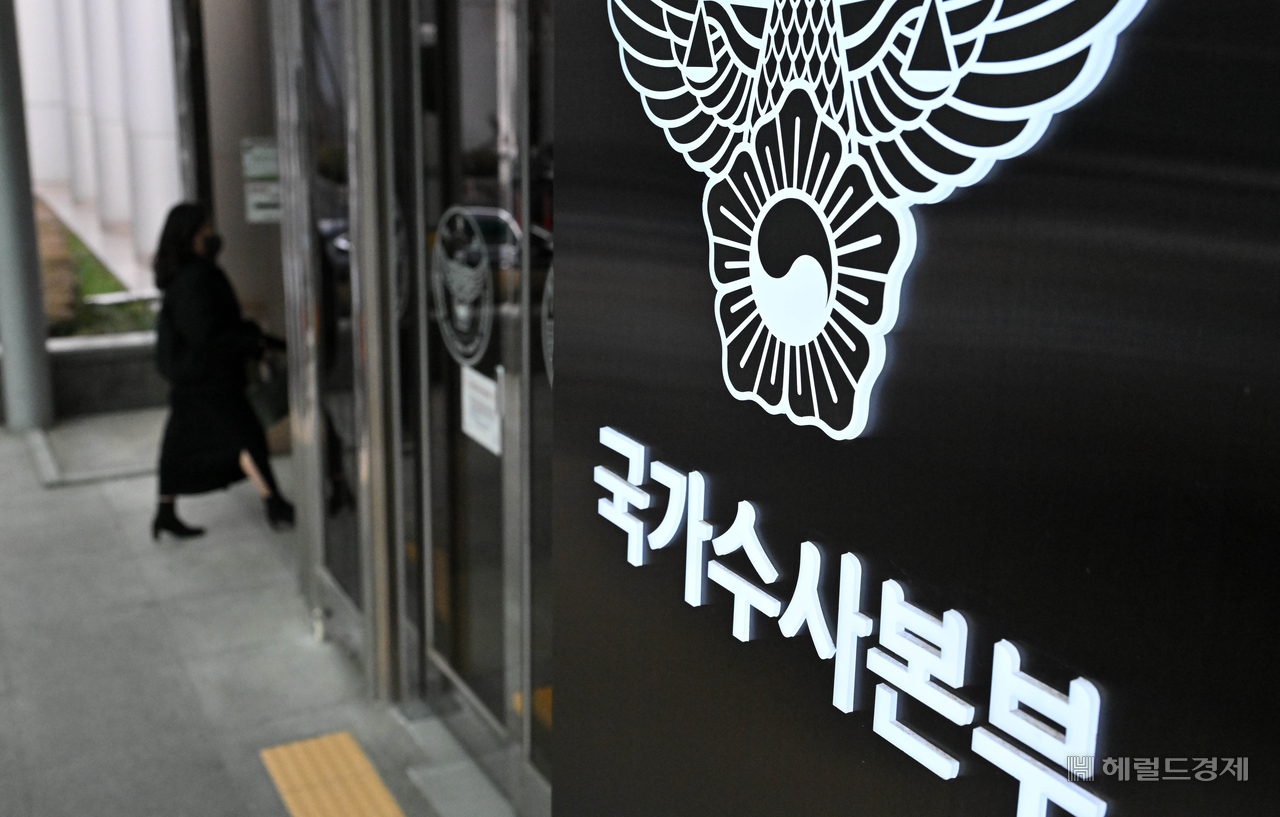
Police have determined that while Jang Yun-gi's father — a serving police inspector — did receive investigation information and evidence from the detective team at Gwangju Gwangsan Police Station during the probe into his son, this did not constitute collusion or the improper exercise of influence.
The special investigation unit of the Korean National Police Agency's National Investigation Headquarters said Monday that it had confirmed Jang's father "asked former colleagues on the investigation team to provide him with confidential case information and various favors," but added that "no circumstances were found indicating he actively exercised influence to downplay the case."
The unit also said it found "no signs of collusion suggesting that Jang Yun-gi's father or uncle, both police officers, contacted or met with officials at the National Investigation Headquarters or the Gwangju Metropolitan Police Agency."
According to police, the inspector exchanged nine phone calls and 16 text messages with the lead investigator on his son's case, and 14 phone calls and seven text messages with other team members while the investigation was under way. He was also granted the privilege of meeting his son in a separate room rather than the standard detention facility visiting area.
Police said the inspector's conduct is currently under an internal affairs investigation for behavior unbecoming of a civil servant.
Police also defended the National Investigation Headquarters' decision to order the murder charge against Jang Yun-gi to be referred to prosecutors separately from the rape and stalking charges, saying the move "was not intended to minimize or conceal the sexual motive, but was a measure taken to uncover the truth and protect the victim."
According to police, the detective team at Gwangju Gwangsan Police Station had requested that the murder and sex crime cases be referred together, but the National Investigation Headquarters directed that the murder case be sent first while the sex crime case underwent further investigation before being referred separately. Police said the headquarters and the Gwangju agency "directed the investigation in order to determine whether the murder had a sexual motive."
The police findings directly contradict the prosecutors' indictment. The Gwangju District Prosecutors' Office indicted former National Investigation Headquarters chief Park Seong-ju on Sept. 2 on charges of abuse of authority, concluding that his order to split the cases amounted to an improper misuse of investigative command powers. Prosecutors determined that Park, fearing public criticism of the police if it became known that the stalking and related offenses had escalated to murder, overruled the frontline team's request to refer the cases together and ordered them separated instead.
Police said the special investigation unit "conducted a rigorous investigation regardless of rank in order to establish the truth behind the allegations raised in this case." It added that it would notify the internal affairs division of the inadequate response identified when the initial stalking report was filed, and forward recommendations for systemic improvements uncovered during the investigation to the relevant departments.
arin@heraldcorp.com