Federation of Korean Trade Unions, others to launch joint campaign Tuesday to block special law
Unions say 52-hour week, environmental reviews being bypassed
KCTU also demands zero-based talks with no labor exemptions as precondition
Clash over agenda expected from first meeting
Labor-government-management talks on labor exemptions under a proposed mega special zone law are set to begin as early as next week, even as opposition from the labor community continues to grow. The Federation of Korean Trade Unions, which has agreed to participate in the dialogue, plans to join civic groups in a separate campaign to block the legislation.
The government wants to discuss exempting high-income research and development workers from the 52-hour weekly work limit and extending the maximum contract period for fixed-term employees, but both major union federations are demanding that talks start from scratch without any presumption that labor exemptions will be adopted. Even if the dialogue gets under way, disputes over the scope and direction of the agenda appear unavoidable.
The Federation of Korean Trade Unions and a coalition of labor, climate, farming and civic groups plan to hold a joint press conference Tuesday at 11:30 a.m. in front of the fountain at Cheong Wa Dae in Seoul to launch a campaign opposing the mega special zone special law and denouncing three major mega-projects.
The coalition said the government is rushing ahead with the three mega-projects and the special law. It particularly criticized the legislation — which the government is pushing to enact by year's end — for bypassing social safeguards such as the 52-hour weekly work cap and environmental impact assessments in order to create the most deregulated environment possible for corporate investment.
The groups said they will work to block the law, warning it could funnel preferential treatment to specific large conglomerates at the expense of labor rights, climate justice and public interests. Participants in the press conference are expected to include the Federation of Korean Trade Unions' second policy bureau chief, the KCTU's Seoul regional head, the chairman of the Korean Peasants League and representatives of environmental organizations.
The Federation of Korean Trade Unions' decision to join civic groups in opposing the law signals that it will not accept labor exemptions even if it takes part in the tripartite dialogue. The federation earlier agreed to the government's invitation to participate while drawing a clear line: "Participation does not mean acceptance of labor exemptions." It has said the talks must cover not only labor exemptions but also quality jobs, education and residential conditions across the mega special zone as a whole.
The Korean Confederation of Trade Unions also voted to join the dialogue at a central executive committee meeting Thursday, but is likewise demanding zero-based discussions with no presumption that labor exemptions will be introduced.
KCTU Chairman Yang Kyung-soo said earlier that talks must begin "from square one, without any precondition of discussing labor exemptions." The KCTU plans to oppose exemptions from the 52-hour limit and the introduction of a white-collar exemption scheme, while putting forward its own agenda items — including a four-and-a-half-day workweek, restrictions on the use of non-regular workers and the social restitution of corporate tax benefits.
The tentatively named mega special zone special law, which the government and the ruling party are pushing to pass by year's end, would provide companies in five major and three special economic zones with fiscal and financial support, infrastructure assistance and regulatory exemptions to drive economic growth and foster strategic industries.
Among the labor exemptions under discussion, the most prominent is a white-collar exemption that would exclude R&D professionals above a certain income threshold from the 52-hour weekly limit. Also under consideration are a "2+2" plan to extend the maximum contract period for fixed-term workers from the current two years to four, an expansion of industries in which dispatch work is permitted within the zones, and an extension of the flexible working hours settlement period from one month to six.
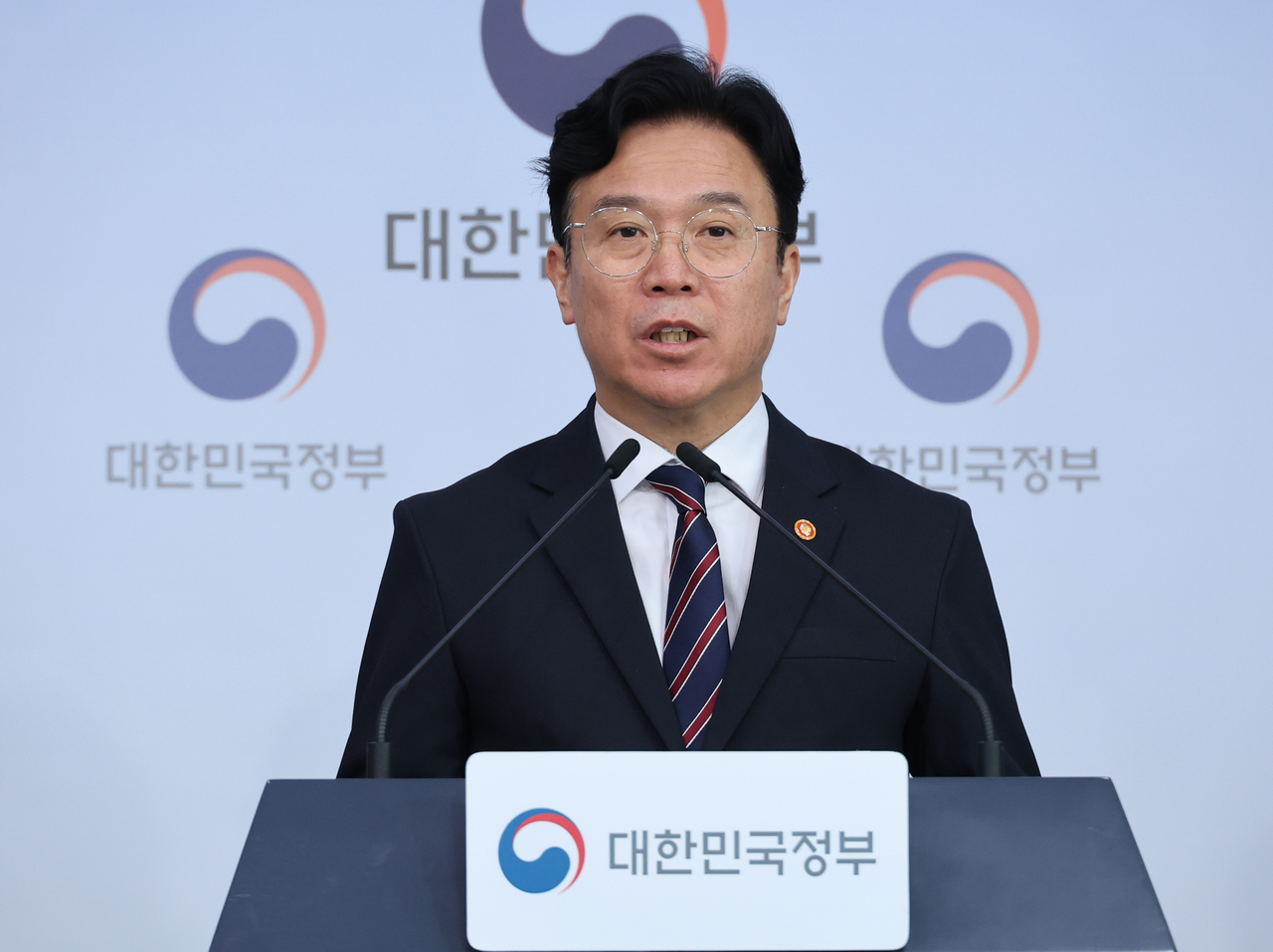
Employment and Labor Minister Kim Young-hoon designated labor exemptions as a core element of the mega special zone special law on Tuesday and proposed a focused round of social dialogue involving both major union federations and business groups. The government envisions a framework that would include the Ministry of Employment and Labor, the Ministry of Trade, Industry and Energy, the Office for Government Policy Coordination, the Economic, Social and Labor Council, both major union federations, the Korea Enterprises Federation and the Korea Federation of SMEs.
The Ministry of Employment and Labor is coordinating schedules and operating procedures with prospective participants in hopes of holding a first meeting as early as next week. The opening session is expected to address the scope of participation, operating rules and specific agenda items, but with labor groups opposed to the exemptions themselves, a clash between labor, management and government is anticipated from the agenda-setting stage onward.
fact0514@heraldcorp.com