Atmospheric dust fell 10% over 20 years
Less dust means more sunlight reaching Earth's surface, potentially accelerating warming
East Asian yellow dust also declining, but researchers urge caution
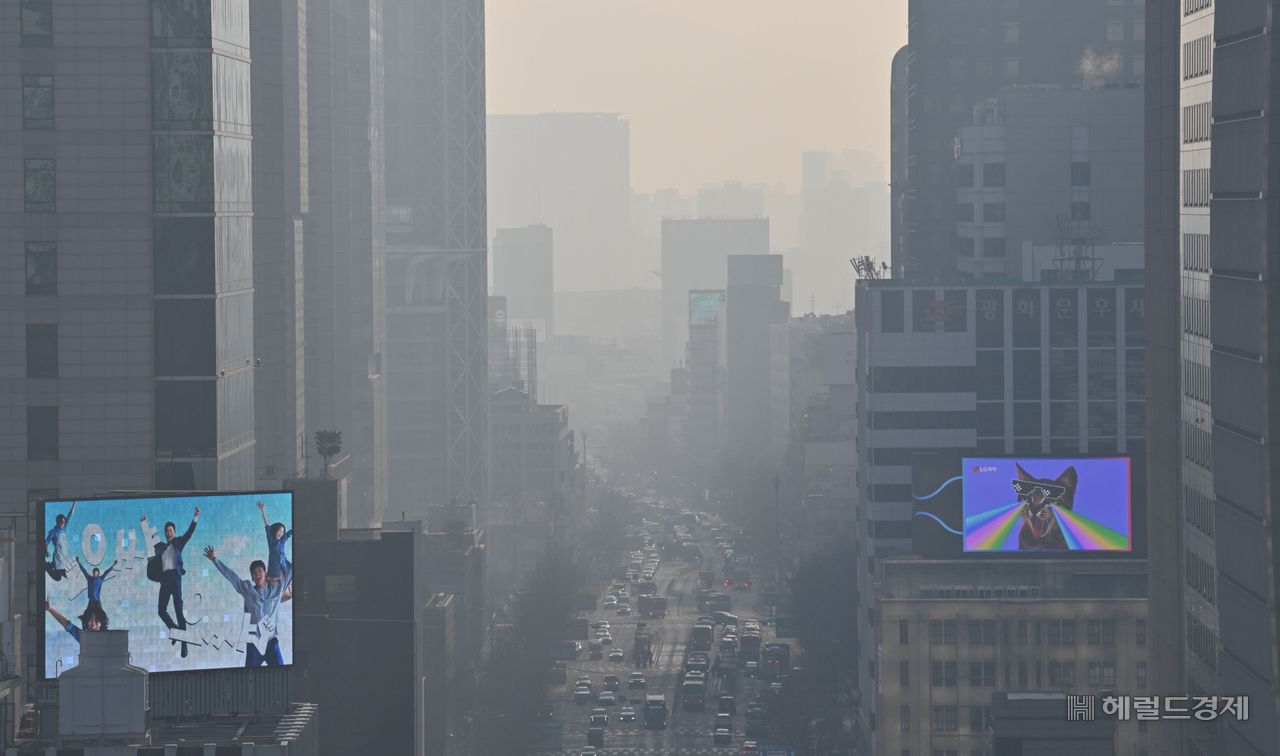
Every spring, complaints about yellow dust intensify. News about expanding deserts has become routine.
Yet new research finds that the amount of dust floating in Earth's atmosphere has actually declined in the 21st century — falling by about 10% between 2003 and 2023.
The findings were published in volume 12, issue 38 of the international journal Science Advances by a research team led by Ashok Kumar Gupta of Vanderbilt University and Jasper Kok of UCLA. Rather than conducting new observations, the team compiled existing satellite data and ground-based measurements to recalculate global dust levels over the past two decades.
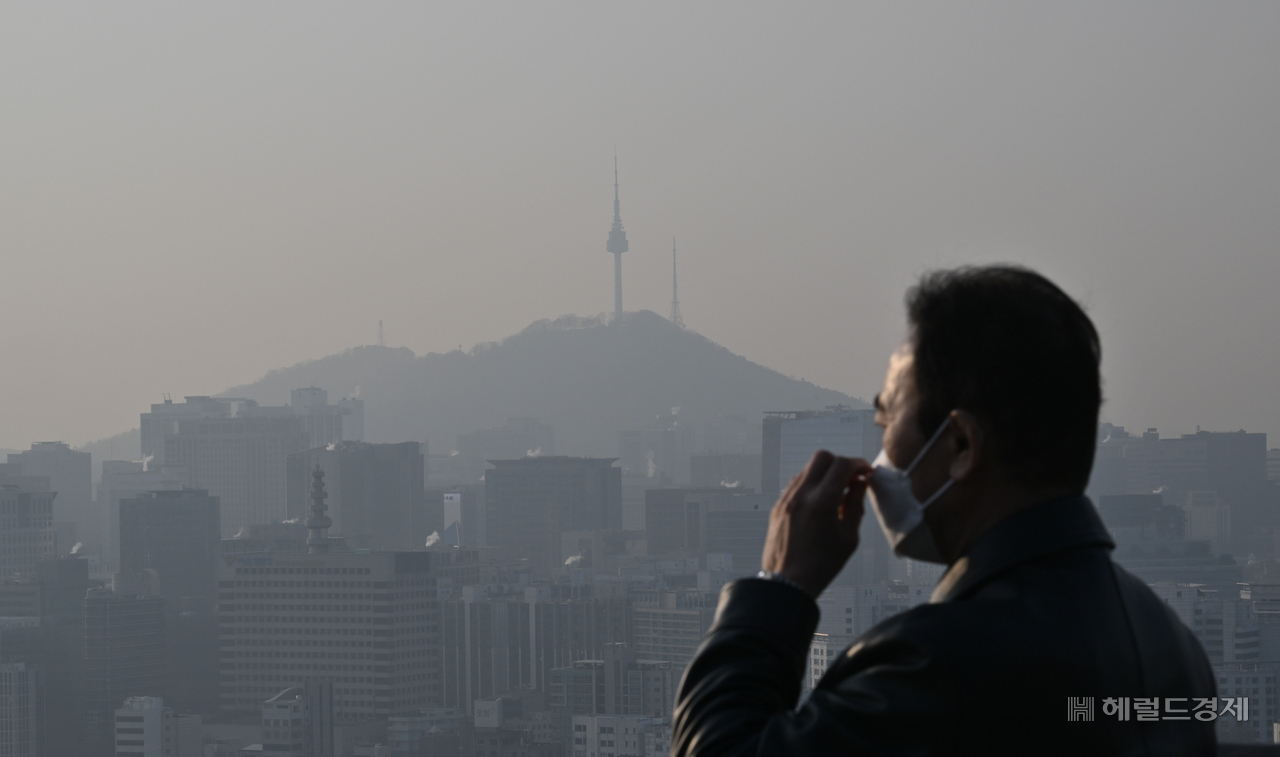
A 10% drop in dust over two decades
Dust is the most abundant natural material suspended in Earth's atmosphere. It blocks sunlight, helping to cool the planet, and acts as a seed around which water droplets form when clouds develop.
The research team assembled a comprehensive dataset by combining four satellite-based dust observation records spanning 20 years with three computer-modeled datasets covering areas where direct observation was unavailable.
Satellites can survey large areas at once but struggle to distinguish dust over bright terrain such as deserts. The team cross-referenced their satellite data against readings from ground-based instruments installed near deserts around the world to determine which satellite records most closely matched actual conditions.
Measurements of how much sunlight dust was blocking showed a decline of 5% per decade. Over 20 years, that amounts to 10%. The total mass of airborne dust and the volume of fresh dust lofted from deserts fell by a similar margin.
By region, dust dropped 10% in North Africa and 10% in Asia — two areas that together account for 80 to 90 percent of all dust on Earth. The Sahara Desert in North Africa alone generates between 1.8 billion and 2.2 billion tons of new dust each year.
![A map showing the average distribution and concentration of atmospheric dust across the globe from 2003 to 2023. [Science Advances, Vol. 12, No. 38]](https://wimg.heraldcorp.com/news/cms/2026/09/18/news-p.v1.20260918.f1f50596b753438ab75f94d15454cdcd_P1.png)
The downward trend appeared across all seven datasets the team examined, lending credibility to the overall finding — though the magnitude of the decline varied considerably. Some datasets showed dust falling by 2% per decade, while others indicated a drop of as much as 30%.
As dust levels fall, less sunlight is blocked, allowing more solar heat to reach Earth's surface.
The team calculated that the two-decade decline in dust has likely contributed to planetary warming. However, the estimated effect was small and came with a wide margin of error, leading the researchers to conclude that while declining dust is accelerating global warming, its impact remains limited.
Atmospheric dust was also unusually scarce during 2023 and 2024, years that set heat records. Pollution from factories and vehicles also decreased over the same period.
Pollutants, like dust, block sunlight and help cool the planet — the key difference being that they are harmful to human health. The research team said the simultaneous decline in both dust and pollutants may have amplified the sharp acceleration in warming seen in recent years.

Less dust does bring some benefits. In areas frequently hit by yellow dust, air quality improves.
On the other hand, reduced dust means less iron and phosphorus being carried through the atmosphere — nutrients that phytoplankton depend on to absorb carbon dioxide. A sustained decline in dust could therefore weaken the ocean's capacity to absorb CO2.
The research team acknowledged, however, that they were unable to determine why global dust levels are falling. They raised the possibility of weakening winds and the spread of vegetation along desert margins, but neither explanation has been confirmed.
The team said dust also appeared to have declined in East Asia, but cautioned that the margin of error was too large to draw firm conclusions.
Reference
DOI: 10.1126/sciadv.aef5691
A.K. Gupta, J.F. Kok, V. Amiridis, A. Gkikas, K. Rizos, E. Proestakis, S.-A. Logothetis, E. Marinou, & C. Pérez García-Pando, A global decline in atmospheric dust during the 21st century, Sci. Adv. 12 (2026) eaef5691.
dbsdn1110@heraldcorp.com