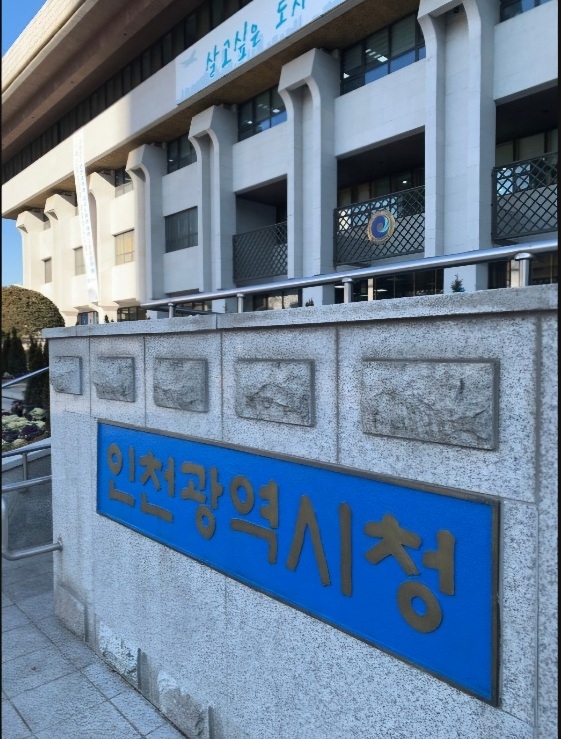
Incheon Metropolitan City is building a dedicated administrative support system — combining specialized personnel and expert review bodies — to accelerate the renewal of aging planned districts.
The initiative aims to reduce early-stage community conflicts and sharply cut the time spent on administrative procedures as the city pushes to transform older neighborhoods into future-oriented smart cities.
The city announced Friday it will allocate a total budget of 64.3 million won ($47,000) across six pilot zones and introduce a rapid-implementation system for aging planned-city renewal — linking dedicated master planners (MPs) with a specialized committee — with full operation set to begin in 2027.
The city also plans to gradually expand the scope and scale of support to newly designated renewal sites going forward.
The centerpiece of the initiative is a public-private cooperative renewal support fast-track mechanism. By having private stakeholders and local government jointly review and resolve key issues and zone-specific concerns from the earliest stages of a project, the city aims to head off resident disputes and administrative missteps — the most common causes of delays in renewal projects.
Concrete support measures have also been put in place. A dedicated MP will be assigned to each zone to provide close guidance throughout the entire process of drawing up a special renewal plan, offering differentiated renewal directions tailored to each area's locational characteristics and coordinating key stakeholder interests.
Alongside this, the city will restructure its dedicated review body — the Aging Planned City Renewal Committee — so that it can conduct reviews and provide advisory opinions on an ongoing basis whenever issues arise, significantly reducing administrative wait times.
The city has already laid the groundwork. It launched a master-plan development contract in October 2024 and has held a series of public information sessions since then. In December 2025, it completed the master plan and opened applications for pilot zones. In August, it established a dedicated renewal committee and finalized the selection of six pilot zones.
Going forward, Incheon will hold a series of community meetings to establish criteria for forming resident representative groups and to identify new candidate sites.
The city aims to finalize and officially announce its master plan for aging planned-city renewal before the end of the year, complete the on-site deployment of MPs, and proceed without delay with recruiting new candidate sites for next year.
"This is a measure to secure a tangible pace of project implementation that residents can feel, following the designation of pilot zones," said Yoo Gwang-jo, director of Incheon's Urban Balance Bureau. "We will provide one-stop, hands-on support from planning through final review, so that aging urban areas can be swiftly reborn as comfortable, smart cities of the future."
gilbert@heraldcorp.com