Demolition at Hannam 3, Seoul's largest redevelopment zone, is 99% complete
Mia 2's 4,003-unit complex among major Gangbuk projects gaining momentum
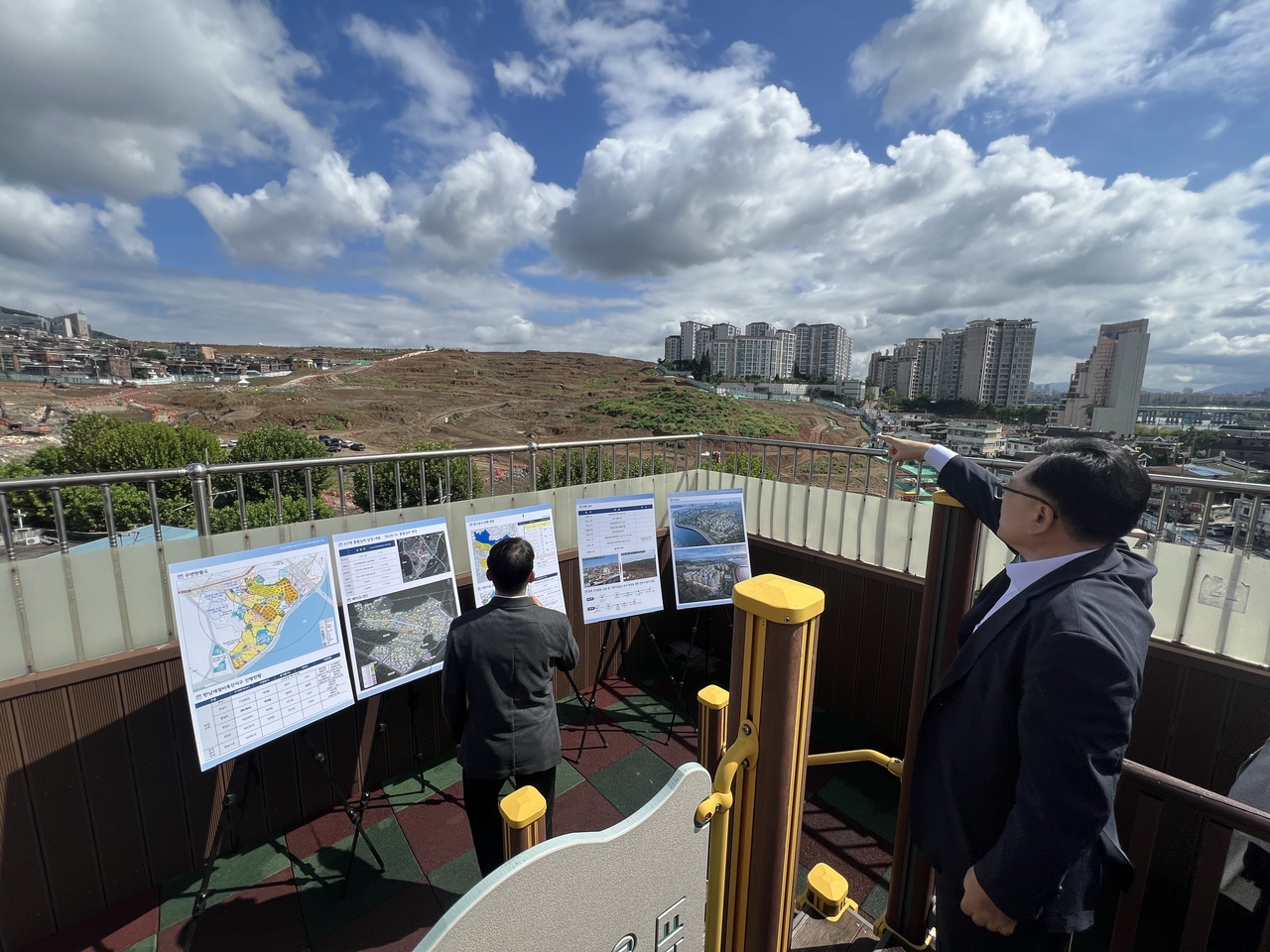
Four urban renewal projects in Seoul — Hannam 3 in Yongsan-gu, Mia 2 and Mia 11 in Gangbuk-gu, and Gajaeul 9 in Seodaemun-gu — are moving forward with a combined supply of 10,809 homes. Hannam 3, a near-6,000-unit complex, is on track to break ground before the end of the year, while Mia 2 will be redeveloped into a large complex of up to 45 stories and 4,003 units.
The Seoul Metropolitan Government said Wednesday it held the 19th Integrated Deliberation Committee for Urban Renewal Projects on Tuesday, reviewing proposals for all four sites.
The largest of the four, Hannam 3, covers roughly 386,364 square meters around 686 Hannam-dong in Yongsan-gu and will be developed into a complex of up to 21 stories across 123 buildings, totaling 5,970 units. Of those, 1,020 will be public rental housing. The project also includes an elementary school, parks, a public office building, social welfare facilities and parking.
The city had earlier considered converting a school site within the zone into public open space, but reversed course and decided to proceed with the originally planned school construction. The project has since gone through the integrated deliberation process again to reflect the revised plan.
Demolition work at Hannam 3 is now 99% complete, with the full teardown and the start of main construction both expected before year's end. The Seoul Metropolitan Government plans to begin infrastructure work — including roads within the zone — this year as well, while simultaneously pursuing an amended project implementation plan approval that incorporates the latest deliberation results. Building heights and layouts will take into account the hilly terrain between Namsan and the Han River, and green spaces and landscaped walkways will be created along major pedestrian routes.
Hannam 3 is one of the priority sites the Seoul Metropolitan Government is closely managing to meet its ground-breaking targets this year. Last month, the city held a progress promotion meeting for 11 renewal projects scheduled to break ground in the second half of this year, setting a target of 30,000 housing units from renewal projects in 2026. As of August, about 15,000 units had broken ground — roughly half the target — and the city said it is intensively managing permitting, relocation and demolition procedures at Hannam 3 and the remaining sites. Seoul's broader goal is to break ground on a total of 310,000 units through urban renewal projects by 2031.
Among Hannam New Town zones 2 through 5, Hannam 3 is the furthest along. Hannam 2 received its management and disposal plan approval in July last year, began resident relocations in January and aims to complete relocations by year's end and break ground in the second half of 2027. Hannam 4 has received its project implementation approval and is working through the management and disposal planning process after completing the subscription application period for existing members; last month it put out a bid for a feasibility verification service for its management and disposal plan. Hannam 5 is also at the project implementation approval stage and recently began its own subscription application process for existing members.
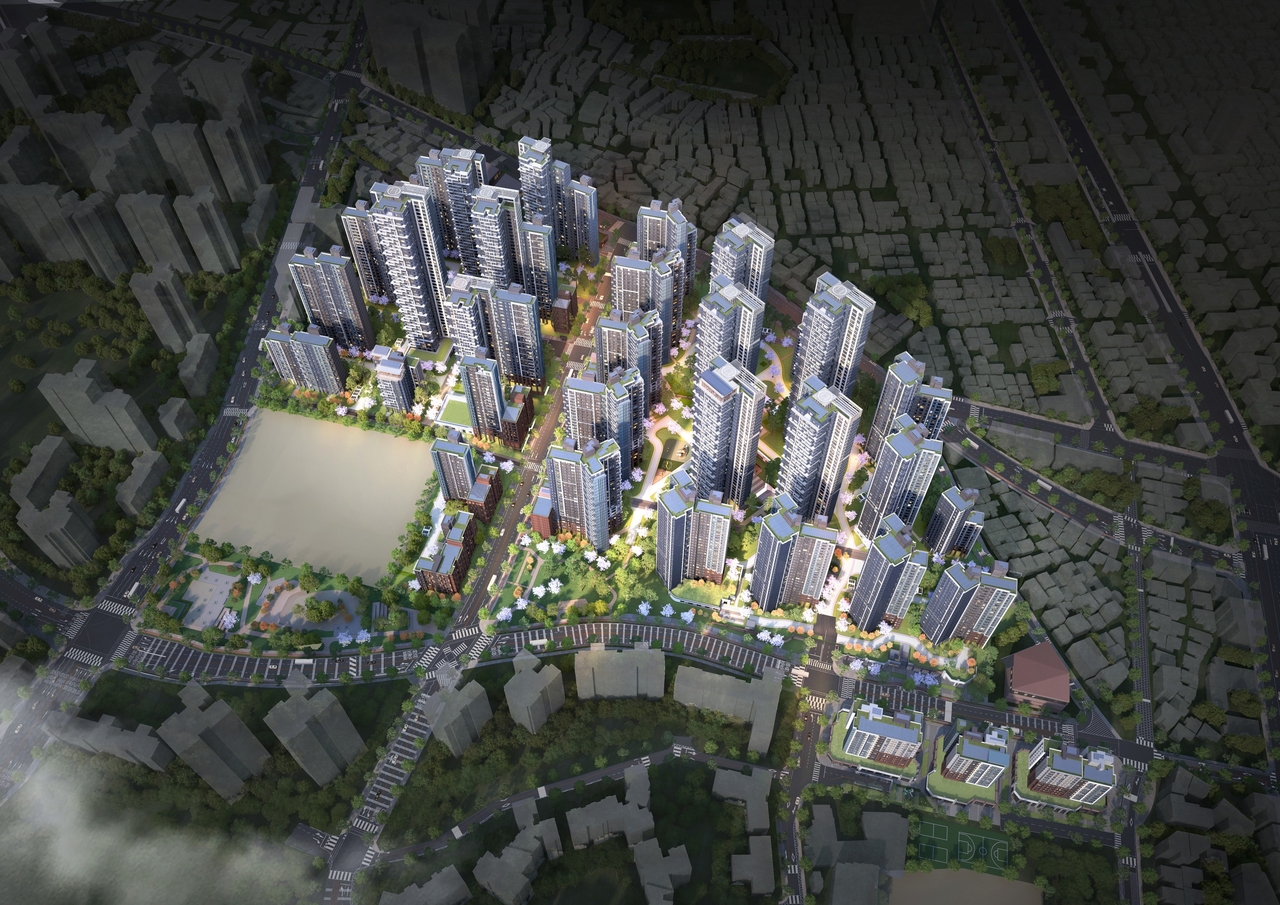
The Mia 2 zone, covering the area around 403 Mia-dong in Gangbuk-gu, will be redeveloped into a large complex of up to 45 stories and 4,003 units, including 710 public housing units. The project applied regulatory reforms for renewal promotion projects to raise the base floor-area ratio from 190 percent to 220 percent and expand the planned floor-area ratio to around 310 percent, improving the project's financial viability.
The complex will feature children's parks and small green spaces, while the pedestrian corridor linking Mia Sageori Station and Samyang Sageori Station will include neighborhood commercial facilities and a shaded walkway. A civic university, community center, social welfare facilities, and childcare and care centers will also be built.
The nearby Mia 11 zone is also getting back on track after years of stagnation. The project will build 656 units across 10 buildings ranging from three below-ground to 26 above-ground floors in the area around 791-108 Mia-dong in Gangbuk-gu, including 108 public housing units. Mia 11 had been stalled at the preparatory committee stage since the zone was designated in 2010, but last year secured more than 50 additional units through a revised improvement plan and has now cleared the integrated deliberation process.
A small park of 1,200 square meters will be created along Samyang-ro, and a 4-meter-wide public pedestrian path connecting the northern and southern ends of the complex will also be built. The project will next proceed through project implementation plan approval and management and disposal plan approval before breaking ground.
In Nam Gajwa-dong, Seodaemun-gu, the aging Jwawon shopping arcade — completed in 1966 — will be transformed into a mixed-use residential complex. The Gajaeul 9 zone will include 180 apartments in a building of up to 25 stories and 30 officetel units. The Jwawon arcade received an E rating — the lowest disaster-risk facility designation — in 2020 due to its deteriorated condition.
In May, the Seoul Metropolitan Government applied revised renewal promotion planning standards to raise the base floor-area ratio for Gajaeul 9 from 500 percent to 600 percent and adjusted the public rental housing component from 73 units to 32 units. The second floor will include about 25 publicly rented commercial units and public sports facilities available to residents.
Myeong No-jun, head of the Seoul Metropolitan Government's housing bureau, said the city would "provide support to ensure housing supply moves forward quickly by closely managing permitting procedures and project progress so that renewal projects can proceed smoothly."
quq@heraldcorp.com