
Seoul Metropolitan Government has completed artist selection and is preparing to break ground following bereaved families' request
District Mayor Yoo Dong-kyun says memorial should be built at the site of the disaster to carry full meaning
Seoul city says it will communicate closely with Mapo-gu and residents
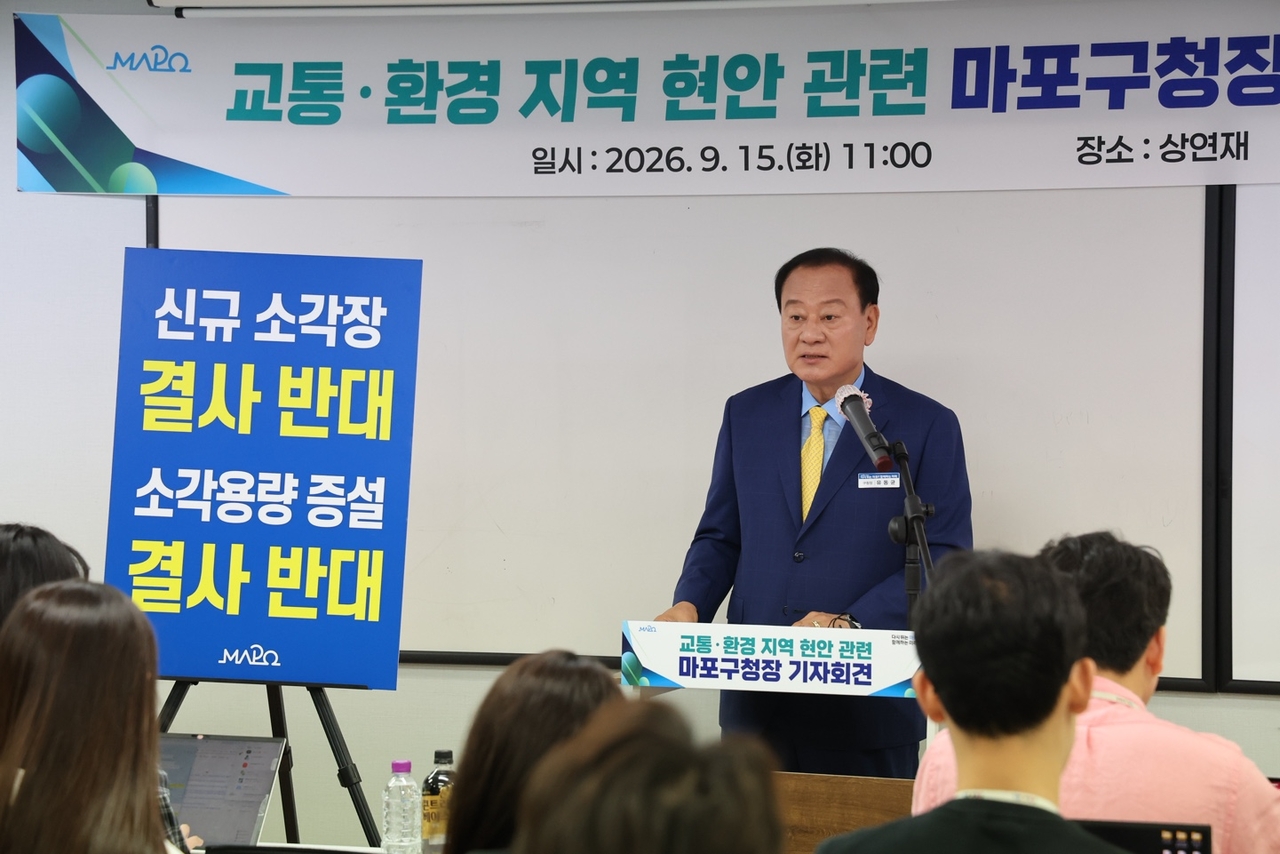
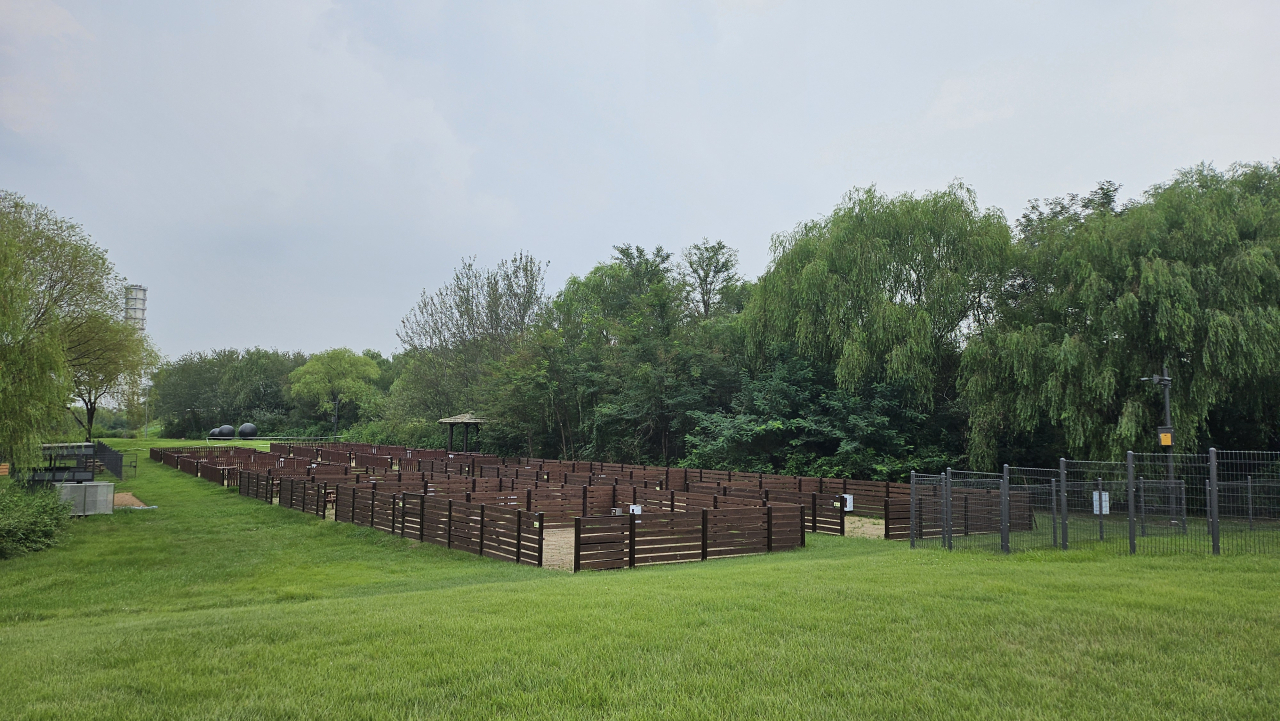
A plan to install a memorial sculpture at Noeul Park in Sangam-dong, Mapo-gu, Seoul, honoring victims of the 1995 Sampoong Department Store collapse has emerged as a local flashpoint.
The Seoul Metropolitan Government, acting on requests from bereaved families, completed a public competition and selected an artist and was preparing to break ground — but Mapo-gu District Mayor Yoo Dong-kyun has publicly called for a review, citing insufficient community consultation and questions about the site's symbolic appropriateness.
The Sampoong Department Store collapse occurred at around 5:57 p.m. on June 29, 1995, in Seocho-dong, Seocho-gu, Seoul. The disaster killed 502 people, injured 937 and left six missing, making it one of the deadliest accidents in South Korean history.
Debris from the collapsed building was reportedly transported to the Nanjido area where Noeul Park now stands. Families of the missing — whose remains were never recovered — have since repeatedly asked the city to create a memorial space at the park.
The Seoul Metropolitan Government decided to install a memorial sculpture at Noeul Park to comfort the bereaved and preserve the lessons of the disaster, and completed the competition and artist selection process. Construction had been expected to begin soon, but Mapo-gu's public objection has introduced uncertainty into the project.
District Mayor Yoo held a press conference Tuesday morning and said the plan to install the Sampoong memorial sculpture at Noeul Park "must be reviewed," adding that it had been pursued without gathering residents' opinions.
Yoo said there could be "no disagreement" with the intent to honor the victims and comfort their families, but stressed that "a memorial space can carry its full meaning only when it is established at the site where the disaster occurred."
He added that the city should "carefully consider whether Noeul Park, which has little direct connection to the disaster, is an appropriate location for a memorial."
Yoo also said the process had lacked adequate communication with local residents.
"Noeul Park is a space closely tied to the daily lives of Sangam-dong residents, yet residents were not given sufficient explanation during the planning process, and the necessary discussions did not take place," he said.
He said Mapo-gu would "clearly convey residents' position to the Seoul Metropolitan Government and actively work to find a reasonable alternative," while leaving open the possibility of talks with the city and the bereaved families.
A senior Seoul city official, reached by phone Tuesday, said the city had conducted the competition and "effectively finalized a work" in response to the long-standing requests of families who were never able to recover their loved ones' remains, and that it planned to "listen carefully to the views of Mapo-gu and local residents and continue communicating with them."
Both the Seoul Metropolitan Government and Mapo-gu agree on the need to remember the Sampoong disaster. However, differing views over the memorial's symbolic weight, the suitability of the chosen site and the adequacy of community consultation have come into focus, making the outcome of future talks among the city, the district and the bereaved families a matter of close attention.
seouldream01@heraldcorp.com




