FSS to tighten fraud-detection standards for card companies
Stronger protections for seniors 70 and older, crackdown on illegal merchants

A woman in her 70s, identified only as A, received a call from a man posing as a financial company employee, who told her that unless she canceled an illegal card transaction from years ago, her credit would be damaged and she could lose access to her card. The scammer told her she could resolve the matter by making a payment of the same amount through a "guarantee insurance" company, which would later be refunded. She entered her card details and paid 3.23 million won ($2,400). The actual recipient turned out to be an illegal merchant, not any insurance company.
A woman in her 20s, identified as B, found what appeared to be a side job through an employment website — ordering and paying for goods on behalf of others, with the cost and a commission to be returned afterward. Early payments came back as promised, so she made more card purchases and even took out loans. The refunds then stopped. Her total losses reached 63 million won, and because she had made the card payments and taken the loans herself, the card company declined to compensate her.
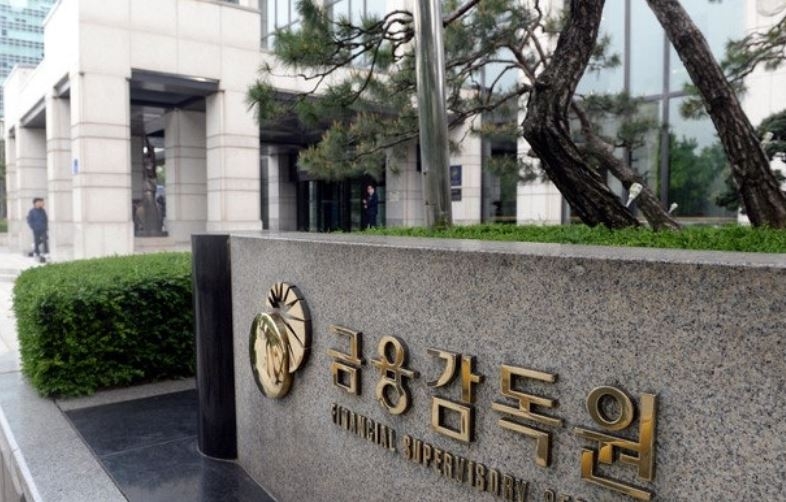
The Financial Supervisory Service said Tuesday it would strengthen efforts to prevent and remedy card payment losses caused by voice phishing. As scammers increasingly trick victims into paying directly by card for gift certificates and other easily liquidated goods — rather than simply wiring money — the FSS plans to upgrade card companies' fraud-detection systems and protective measures for elderly customers.
The FSS announced Tuesday it would pursue regulatory improvements to prevent voice phishing losses involving card payments.
The first step is to strengthen the fraud-detection standards that card companies operate jointly. While the existing system focused on catching unauthorized transactions by third parties — such as those resulting from hacking — the upgraded criteria will also flag transactions where cardholders themselves were deceived into making payments, incorporating factors such as spending patterns and merchant characteristics.
The FSS also plans to strengthen protections for cardholders aged 70 and older. When a fraud alert is triggered during a purchase of gift certificates or other easily liquidated goods, card companies would conduct an in-depth consultation to verify the cardholder's intent and assess the risk of financial fraud before approving the transaction. Voice phishing cases involving victims 70 and older rose from 777 in 2023 to 1,047 in 2024 and 1,493 last year.
The FSS will also intensify its investigation of complaints involving illegal merchants. When card fraud or fictitious sales are suspected, investigators will more closely examine whether goods were actually delivered and how payments were processed, to determine whether illegal merchants exploited the payment system.
The FSS urged the public to be wary of several common scam patterns: demands to make a new payment on the pretext of canceling an illegal card transaction, proxy payment schemes disguised as high-paying side jobs, gift certificate purchases framed as fees for low-interest loans, and money requests from strangers met through random chat apps. When a victim makes a card payment personally, it is treated as a transaction that passed normal identity verification, making it difficult for the card company to provide compensation.
Meanwhile, the FSS said it would begin recognizing financial institutions and employees that excel at preventing voice phishing losses, starting this year, to encourage the broader financial sector to step up its response. Based on results through the end of October, the FSS plans to select one institution and about five employees for commendation in December, and will share outstanding cases across the financial industry.
rim@heraldcorp.com