Kim Haeng, Kang Sun-woo, Yong Hye-in: three failed nominees in three years
Ministry rebranded and expanded, but its identity remains unclear
Experts say appointments keep swinging between expertise and political symbolism
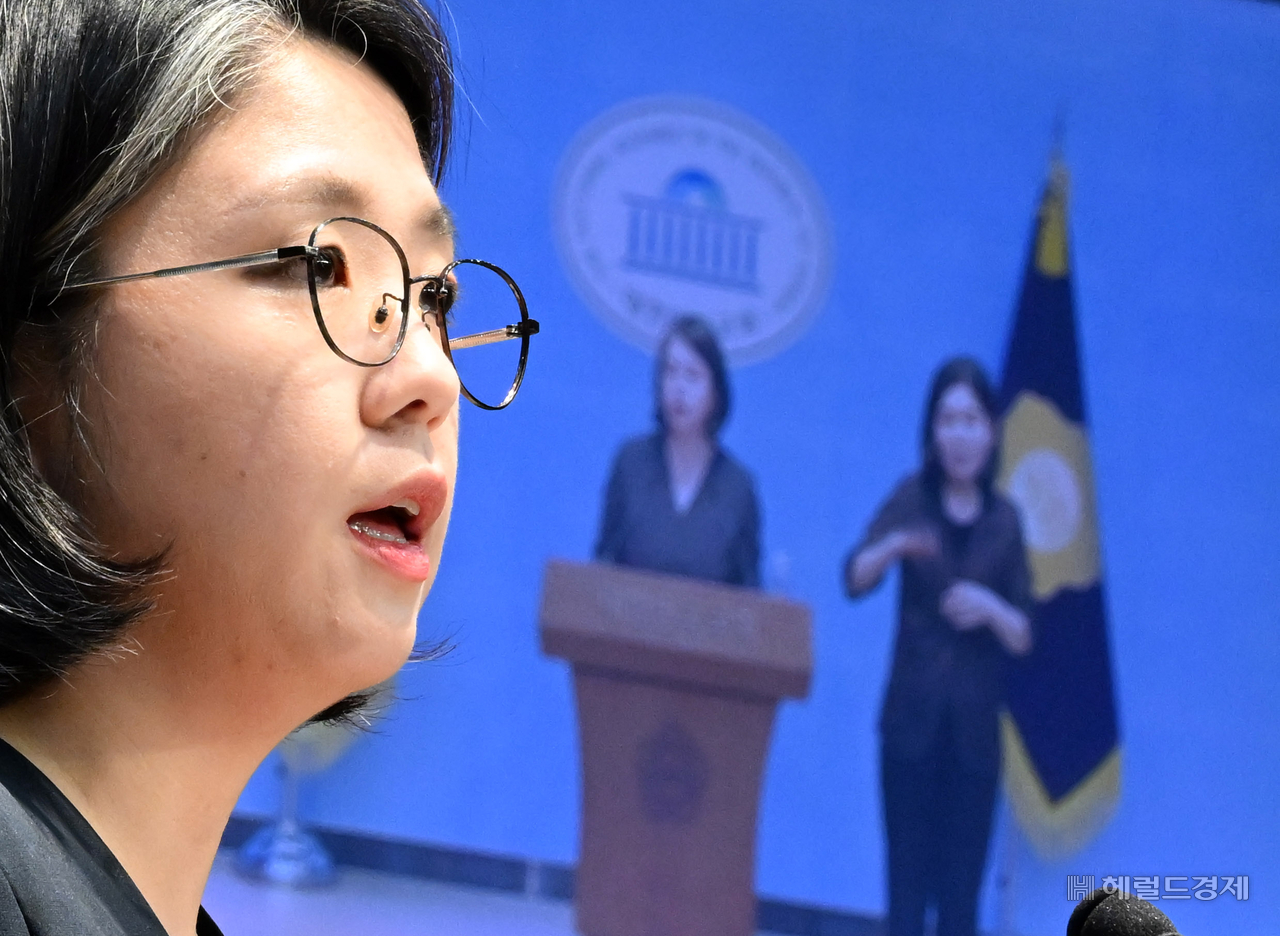
The troubled history of nominees to lead South Korea's gender equality ministry has claimed another casualty. Yong Hye-in, a lawmaker of the Basic Income Party, withdrew her nomination as minister of gender equality and family on Sunday — just 14 days after being named to the post. She is the third nominee to fall through in three years, following Kim Haeng and Kang Sun-woo. Experts say the pattern reflects a recurring failure to prioritize policy expertise over political calculation and symbolism.
Yong held a press conference at the National Assembly on Sunday morning and announced she was stepping down. "I have decided to relinquish the ministerial nomination," she said, adding that stopping now was necessary "to sustain the spirit of solidarity within the Democratic Party of Korea, the Basic Income Party, and the broader democratic and progressive camp."
When the presidential office nominated Yong on Aug. 30, it emphasized her credentials as a voice for "youth" and "gender equality." Chief of Staff Kang Hoon-sik described her as "a two-term young lawmaker who has spoken up for society's vulnerable" and "the right person to move toward gender equality for all, bridging generational and gender divides together with the younger generation."
But almost immediately after the nomination, critics questioned whether the choice was driven more by the symbolism of appointing a woman in her 30s serving her second term than by any substantive expertise in gender equality policy — and whether it was primarily a political gesture to shore up ties with the progressive camp.
Controversy deepened when Yong declared she intended to keep both her proportional-representation seat and the ministerial post simultaneously. She also drew criticism after it emerged that she had supported the full abolition of supplementary investigative powers — a position women's groups have consistently opposed.
A ministry that keeps losing its leaders
The struggle to fill the top post at the gender equality ministry has become a recurring ordeal over the past three years.
In September 2023, Kim Haeng, a former People Power Party emergency committee member, was nominated to succeed then-Minister Kim Hyun-sook, who had offered to resign over the mismanagement of the World Scout Jamboree at Saemangeum. Kim Haeng withdrew within a month amid allegations of "share parking" and after walking out of her own confirmation hearing.
With no successor in place, the outgoing minister was forced to stay on. Her resignation was accepted in February the following year, and a deputy minister acting-in-charge arrangement then continued for nearly two years.
After a change of president, Kang Sun-woo, then a Democratic Party lawmaker, was nominated in June last year as the first minister of gender equality and family under the Lee Jae Myung administration. She too failed to take office, withdrawing after a confirmation hearing amid a widening controversy over allegations of "gapjil" — abusive treatment of her staff.
Won Min-kyung was eventually appointed minister last September, ending the prolonged leadership vacuum. Civil society groups praised her long career as a lawyer focused on issues affecting female crime victims. The ministry was subsequently renamed and expanded into the Ministry of Gender Equality and Family.
At the time of her appointment, Won said the ministry had "faced a crisis of weakening policy momentum amid prolonged debate over its very existence and an extended leadership vacuum," and pledged that it would be "strengthened as a cross-ministry control tower for gender equality, family and youth policy." Over the past year she has driven major initiatives, including a pay-transparency scheme requiring companies to disclose gender wage gaps, the introduction of medication for pregnancy termination, and the launch of a government-wide integrated support unit for victims of digital sex crimes.
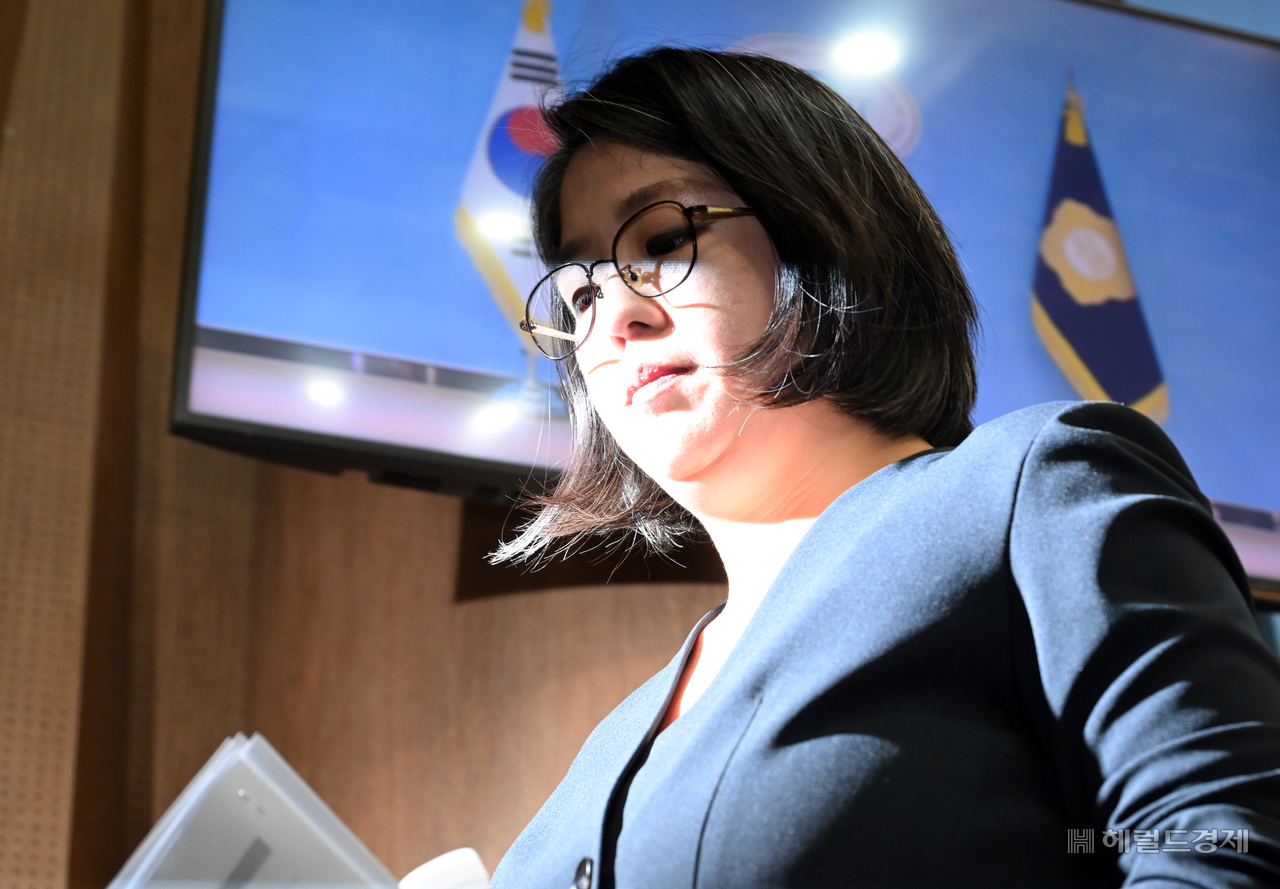
The ministry's budget proposal for next year stands at 2.12 trillion won ($1.57 billion), up 5.5 percent from this year and the largest in its history. Pressing issues are also piling up, including the fallout from a case in which Google leaked personal information of digital sex crime victims. Inside the ministry, there are growing concerns that the repeated turmoil over leadership appointments is sapping momentum on key policy initiatives.
A ministry official said morale had taken a hit. "It is true that morale has fallen internally as this keeps happening less than a year after the ministry was expanded and reorganized," the official said. "We feel a sense of regret because the organization had been finding its footing under Minister Won."
Analysts say the repeated difficulty in filling the post stems from a tendency to prioritize either expertise or political acumen — but rarely both.
Han Min-kyung, a criminology professor at the Korean National Police University, said the pattern was clear. "Politicians have lacked expertise, and those with expertise have lacked political skill," she said. "I think the repeated difficulties reflect the fact that ministerial appointments have kept emphasizing only one side of that equation."
kido@heraldcorp.com