18 public institutions propose 22 innovation challenges
Up to 20 startups to be selected, each eligible for up to 100 million won in support
Program links technology verification and prototype development to further R&D funding
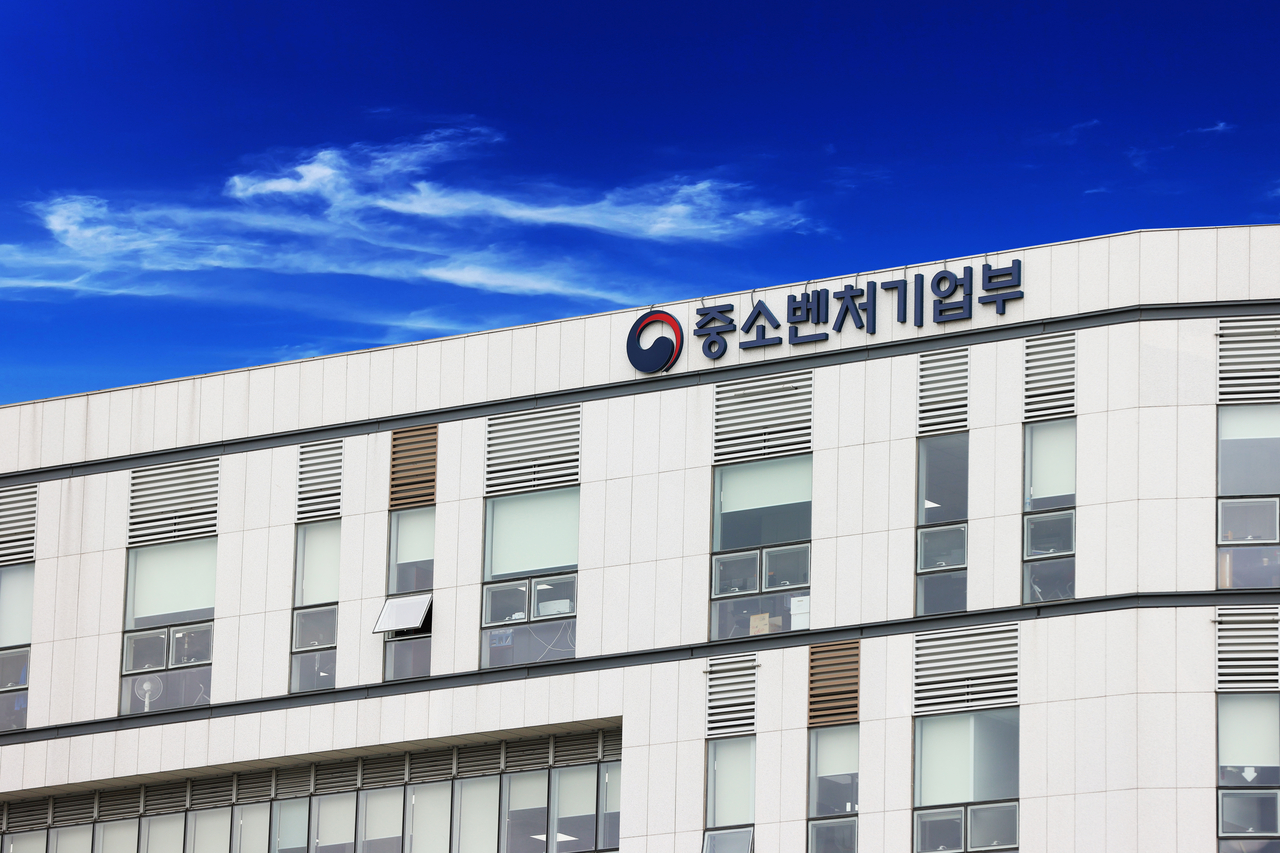
Startups will be invited to develop AI-powered technologies that predict crowd density at festivals and holidays and detect black ice on highways using closed-circuit television footage, the government announced Monday.
The Ministry of SMEs and Startups said it will accept applications from startups for its "public data utilization support" project from Tuesday through Oct. 6.
The initiative is part of the government's "National Startup Era" plan announced in April, which aims to open public data to startups and foster collaboration between startups and public institutions — simultaneously driving innovation in public services and helping startups commercialize their technologies.
The program operates through two tracks: a top-down approach, in which public institutions propose challenges that can be addressed using data they are willing to share, and a bottom-up approach, in which startups request access to non-public data held by institutions and propose their own challenges.
The ministry recruited collaboration challenges from public institutions last month and selected 22 tasks from 18 agencies under the top-down track. Participating institutions include the Ministry of Statistics, the Defense Acquisition Program Administration (DAPA), Korea Airports Corporation, the Korea Expressway Corporation and the Korea Energy Research Institute.
Many of the proposed challenges involve everyday AI-driven services built on public data. The Ministry of Statistics proposed developing an AI model to predict population density in key areas during events such as festivals and national holidays, with the aim of preventing crowd-related safety incidents and improving public mobility.
The Korea Expressway Corporation put forward a challenge to develop and demonstrate technology that uses CCTV footage to detect rain and snowfall conditions and provide advance warning of black ice. The system would enable real-time hazard monitoring and allow preemptive spreading of de-icing agents to prevent road accidents.
Other challenges include a smart baggage delivery service using real-time airport data, AI-based farming information recommendations, a generative AI-powered K-design service and an upgraded AI-driven clinical pathway generation system.
The challenges span a wide range of sectors beyond transportation and safety, including energy, agriculture, welfare, healthcare and culture. The program connects services that public institutions need on the ground with startups' AI and data capabilities, giving startups the opportunity to pursue technology verification and commercialization based on real challenges proposed by public agencies.
Through this recruitment round, the ministry will select around 20 startups to carry out top-down challenges. Each selected company will receive up to 100 million won ($74,700) in commercialization funding to cover technology verification with public institutions, prototype development and related activities.
Additional technology development support is also available. Through the ministry's startup growth technology development program, companies can receive up to 200 million won over a maximum of 18 months, and through the public-private joint technology commercialization program, up to 600 million won over a maximum of two years. However, actual support and its scope may vary depending on the requirements of each individual program.
The bottom-up track — in which startups propose the data they need rather than responding to institution-defined challenges — is also under way. A total of 63 startups have applied, and the ministry is working with the Corporate Public Data Problem-Solving Support Center to secure the non-public data they require. Selected companies under this track will receive the same support as those chosen through the top-down approach: up to 100 million won in commercialization funding and access to linked technology development programs.
A key feature of the program is that it goes beyond simply opening up data held by public institutions — it directly connects those institutions with startups to support the full commercialization process, including technology verification and prototype development. By running both the institution-led challenge track and the startup-driven data request track simultaneously, the program is designed to reflect the needs of both sides.
"Supporting startups in leveraging public data will lay the foundation for accelerating the commercialization of innovative technologies and creating public services that citizens can tangibly benefit from," said Jo Gyeong-won, the ministry's director general for startup policy. "We will promote startup growth by expanding access to public data that companies are eager to use and broadening open innovation."
boo@heraldcorp.com