M Sense cookware communicates directly with induction hob via sensors
System prevents food from burning or boiling over automatically
Pots and pans priced at 299 euros each
Asian market launch, including South Korea, targeted for next year
Korean electronics executives spotted closely studying Bosch, Siemens displays
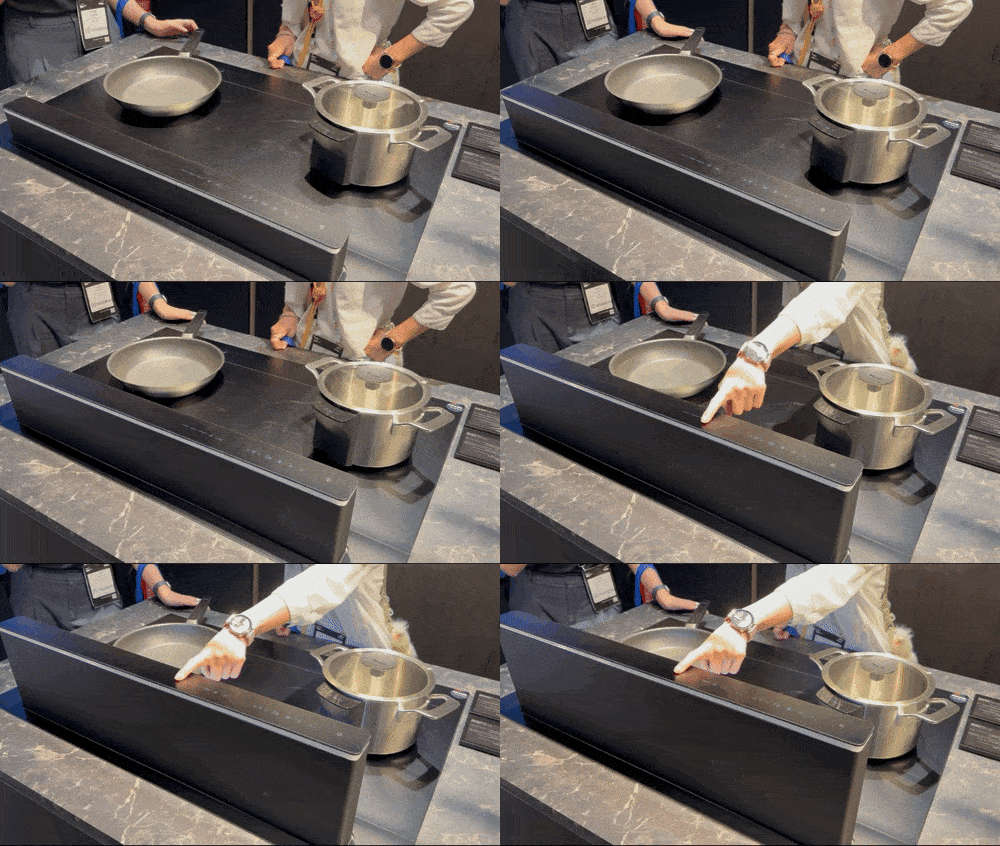
German home appliance maker Miele drew considerable attention at IFA 2026, Europe's largest consumer electronics trade show, held in Berlin from Sept. 4 to 8, with a line of induction-linked cookware designed to prevent food from burning. The company's approach — staying true to core appliance performance while actively embracing new technology — signaled a clear strategy not to miss emerging consumer trends.
South Korean electronics companies were watching closely. Representatives from Korean firms were spotted most frequently not at Chinese booths but at those of German brands — Miele, Siemens and Bosch.
At IFA 2026, Miele showcased its M Sense smart cooking system, unveiled last year, alongside its KM 8000 induction hob.
M Sense cookware features touch controls and up to three temperature sensors that adjust the induction hob's output in real time based on cooking conditions. What stood out was the direct communication between the pots or pans and the hob itself — a link that automatically prevents food from burning or boiling over.
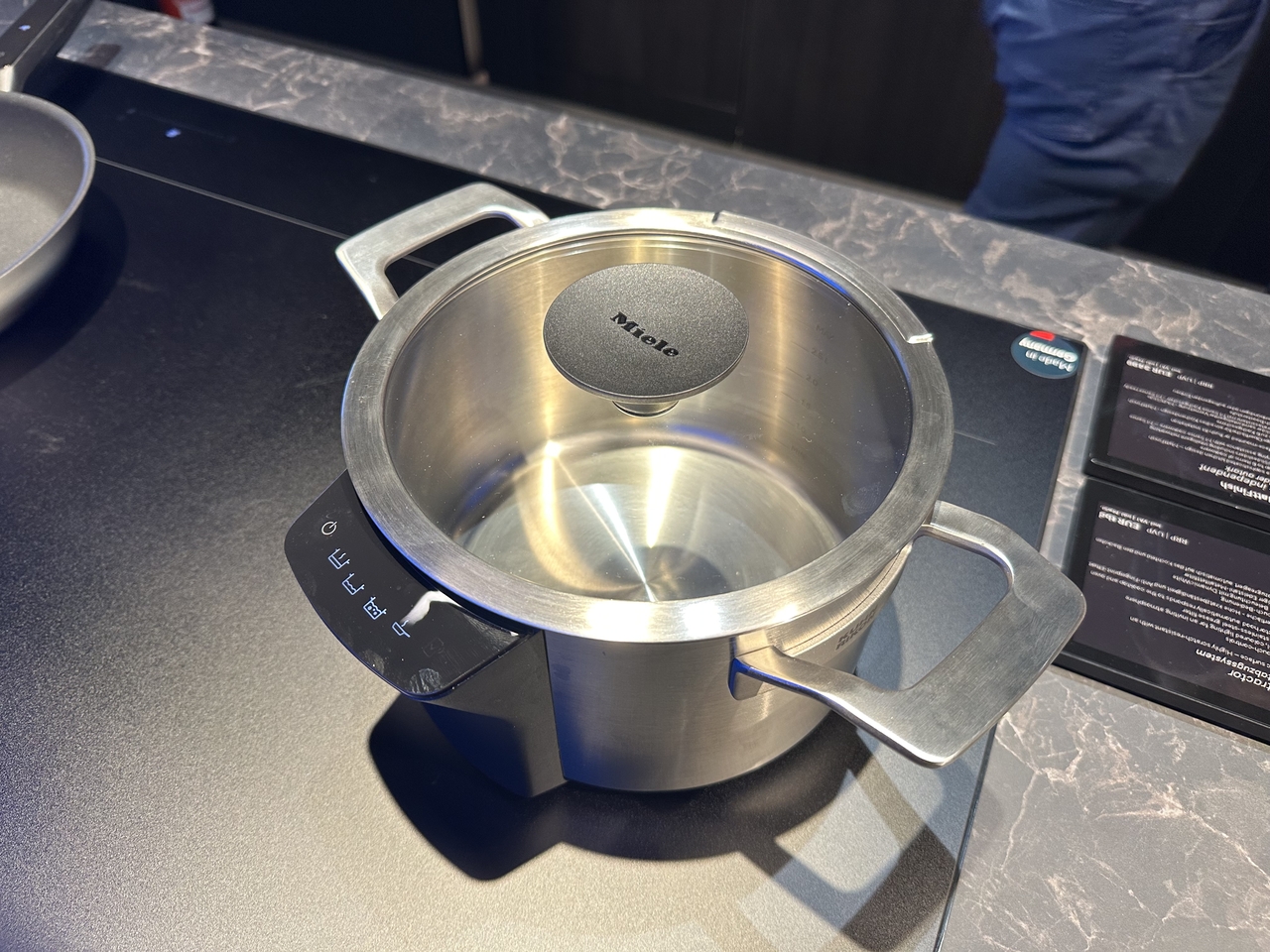
Visitors to the Miele pavilion spent considerable time examining the induction hob and M Sense cookware. The company also presented a 60-centimeter hood-integrated induction hob that combines cooking and ventilation in a single unit, as well as a downdraft hood that rises from the countertop.
M Sense cookware is currently on sale in select European markets. In Germany, both the pot and the frying pan are priced at 299 euros ($347) each.
Miele is also planning a launch in Asian markets, including South Korea. A company representative at the booth said the target is to bring the product to the South Korean market next year.
Miele also used IFA 2026 to debut its G8 dishwasher, the first in its lineup to feature an AI-based camera. The machine recognizes how dishes are loaded and what types of items are inside, then automatically selects the appropriate wash settings — automating much of the cleaning process.
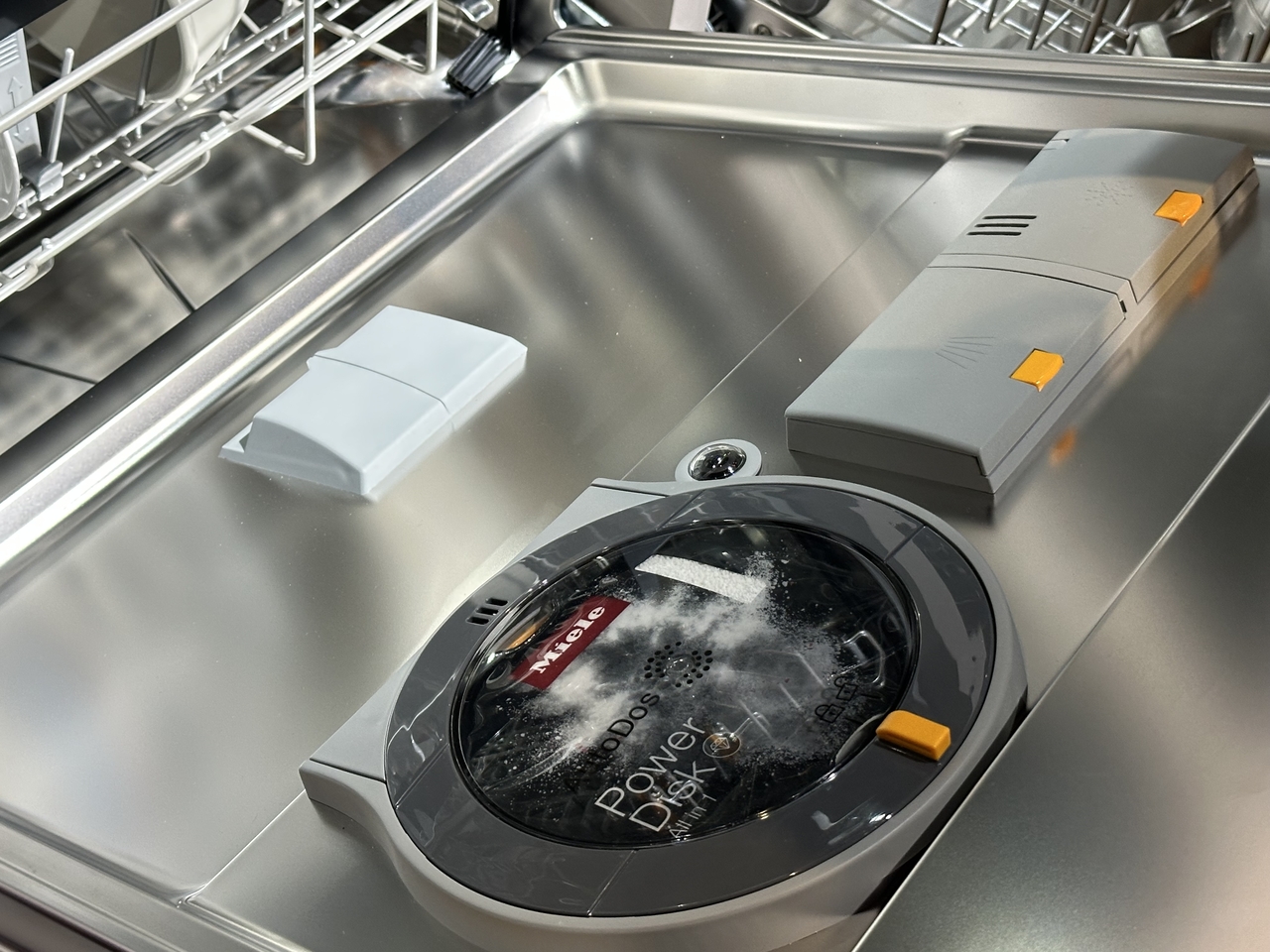
The G8 also adjusts its wash cycle based on the type of item detected. When a pot is identified, it increases wash intensity; for bottles, it optimizes the cycle to clean the interior. Detergent dispensing and drying are automated as well. The built-in AutoDos system uses an integrated PowerDisk cartridge to release the right amount of detergent at precisely the right moment.
Because IFA targets the European market, South Korean electronics companies paid close attention to the German brands on display. Representatives from Korean firms were seen throughout the exhibition halls where Miele, Siemens, Bosch and other local appliance makers had set up booths. German brands, like their Korean counterparts, are positioned squarely in the premium segment, and the Korean visitors appeared focused on tracking the latest product trends.
German appliances have long been defined by a focus on fundamental performance, a reflection of their deep heritage. They are particularly specialized in built-in solutions, shaped by Europe's space-constrained living environments. The Russia-Ukraine war has also heightened consumer interest in energy efficiency, and German brands have been leaning into that emphasis.
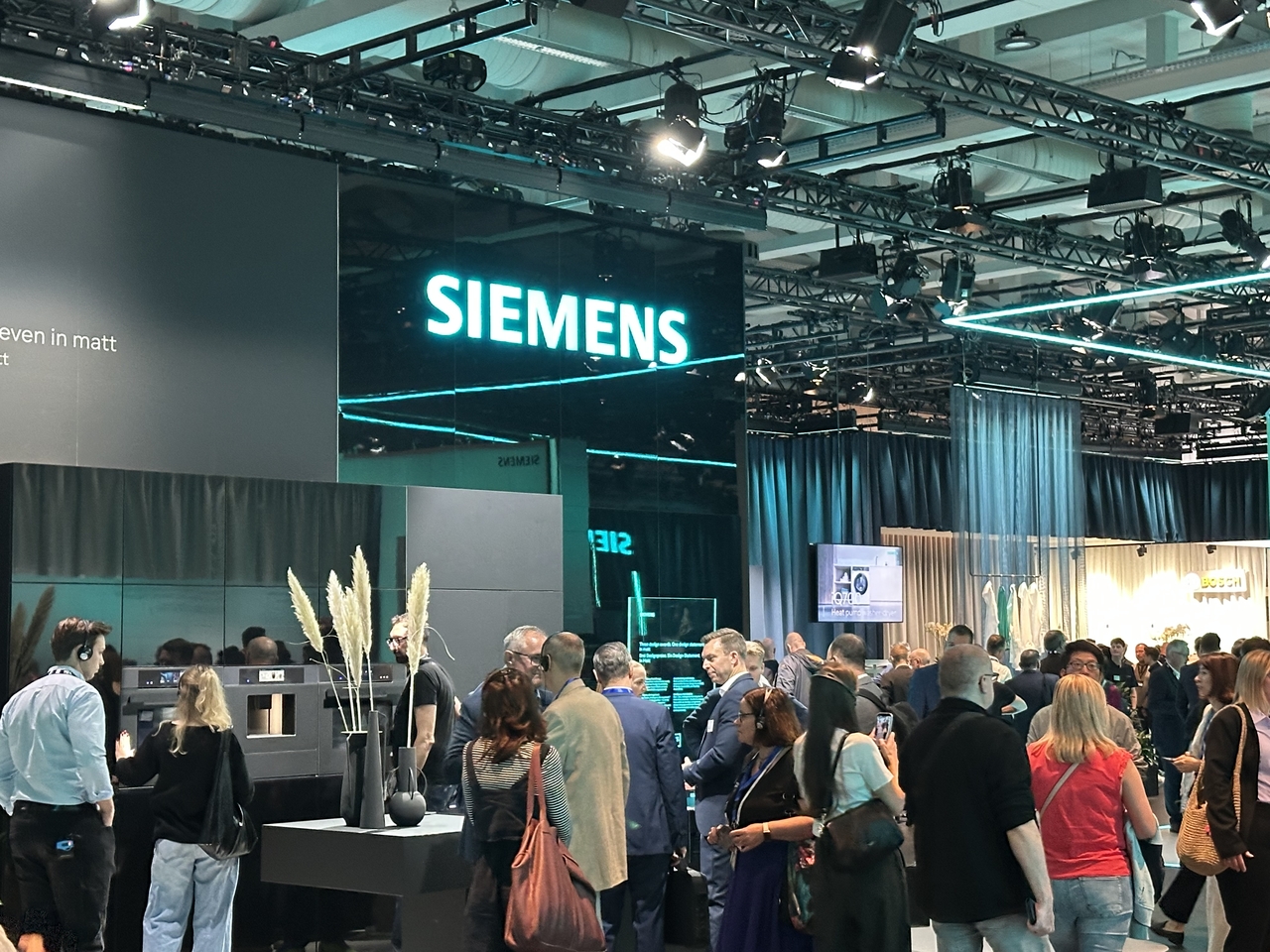
Bosch and Siemens used their booths to highlight dishwashers that surpass Europe's top A energy rating, as well as their ability to offer built-in solutions in a range of sizes to suit different spaces.
At the same time, the German brands are widely seen as actively pursuing innovation — including AI integration — in step with global appliance trends. With South Korea, China and others pushing ahead on AI-enabled home ecosystems, German manufacturers have concluded they can no longer afford to wait.
jeongwan@heraldcorp.com