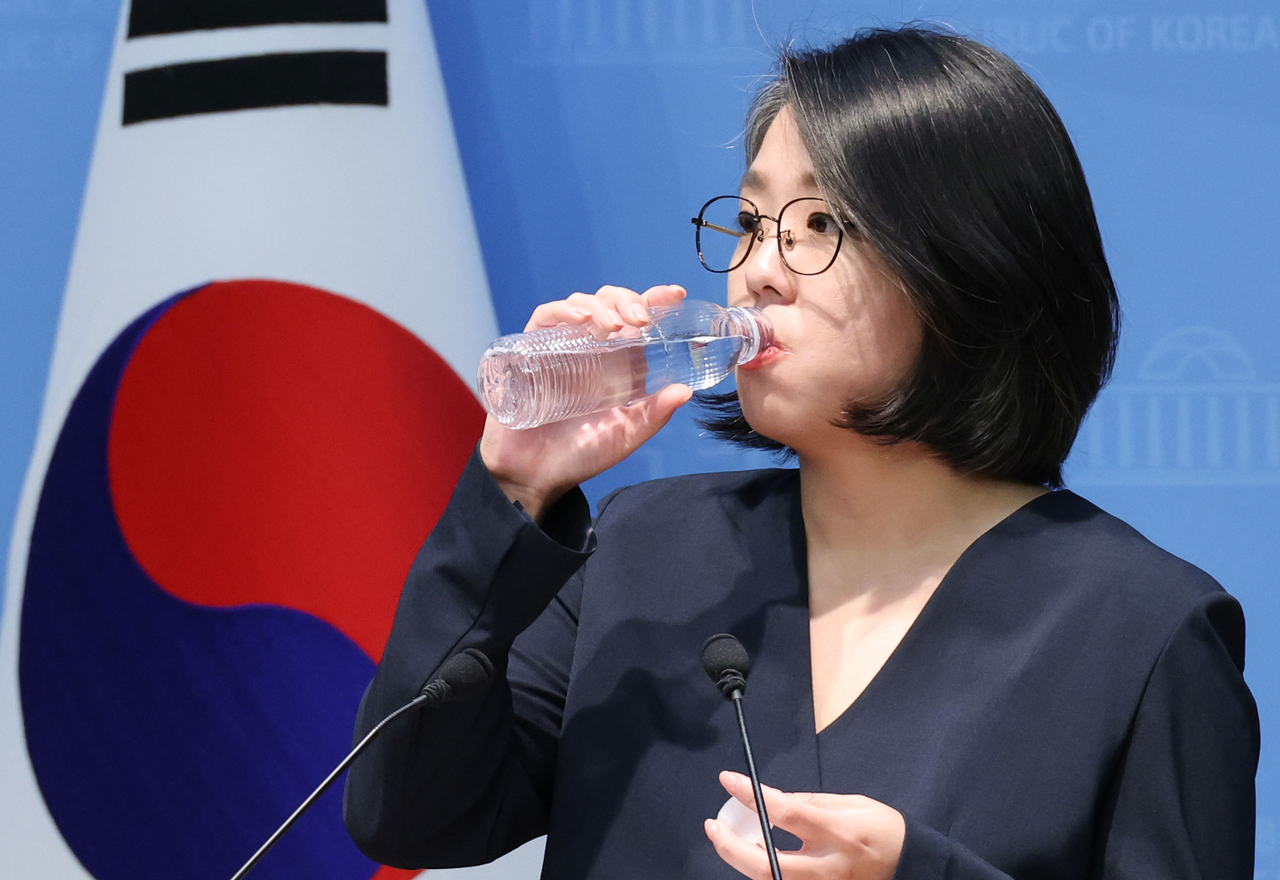
The National Assembly is entering a packed confirmation hearing week, with the Democratic Party of Korea pressing Gender Equality and Family Minister nominee Yong Hye-in to step aside while firmly defending Justice Minister nominee Kim Seung-won.
The Democratic Party has been sending increasingly pointed signals — framing its position around "the public" — that Yong should voluntarily withdraw her nomination rather than attempt to hold both her proportional-representation seat and a cabinet post simultaneously.
The messaging has grown sharper by the day. Party leader Kim Min-seok said on Sept. 3 that "the voice and judgment of the people deserve respect in their own right," while chief spokesperson Park Seong-jun said on Friday that the party would "view the matter sternly through the eyes of the public." Spokesperson Jo Gye-won added on Saturday that "public sentiment among the younger generation is boiling over." The party also said publicly on Friday that it was "urgently gathering opinions from inside and outside the party," effectively calling on Yong to make a swift decision.
The complication is that Yong has signaled she intends to fight through the confirmation process, pushing back against allegations that she turned the Basic Income Party into a personal vehicle and that she tolerated gender discrimination within an informal inner circle. If she holds firm, some observers believe the Democratic Party could go so far as to ask President Lee Jae Myung directly to withdraw her nomination.
No date has even been set for Yong's confirmation hearing, ostensibly because the ruling and opposition parties have yet to agree on a schedule and witness list. Behind the scenes, however, sentiment within the ruling Democratic Party itself has been shifting toward hoping Yong will step down voluntarily to relieve pressure on the party.
Against that backdrop, attention is focused on whether the party leadership will convey its concerns about Yong to Cheong Wa Dae at a senior party-government consultative meeting scheduled for Sunday afternoon at the prime minister's official residence.
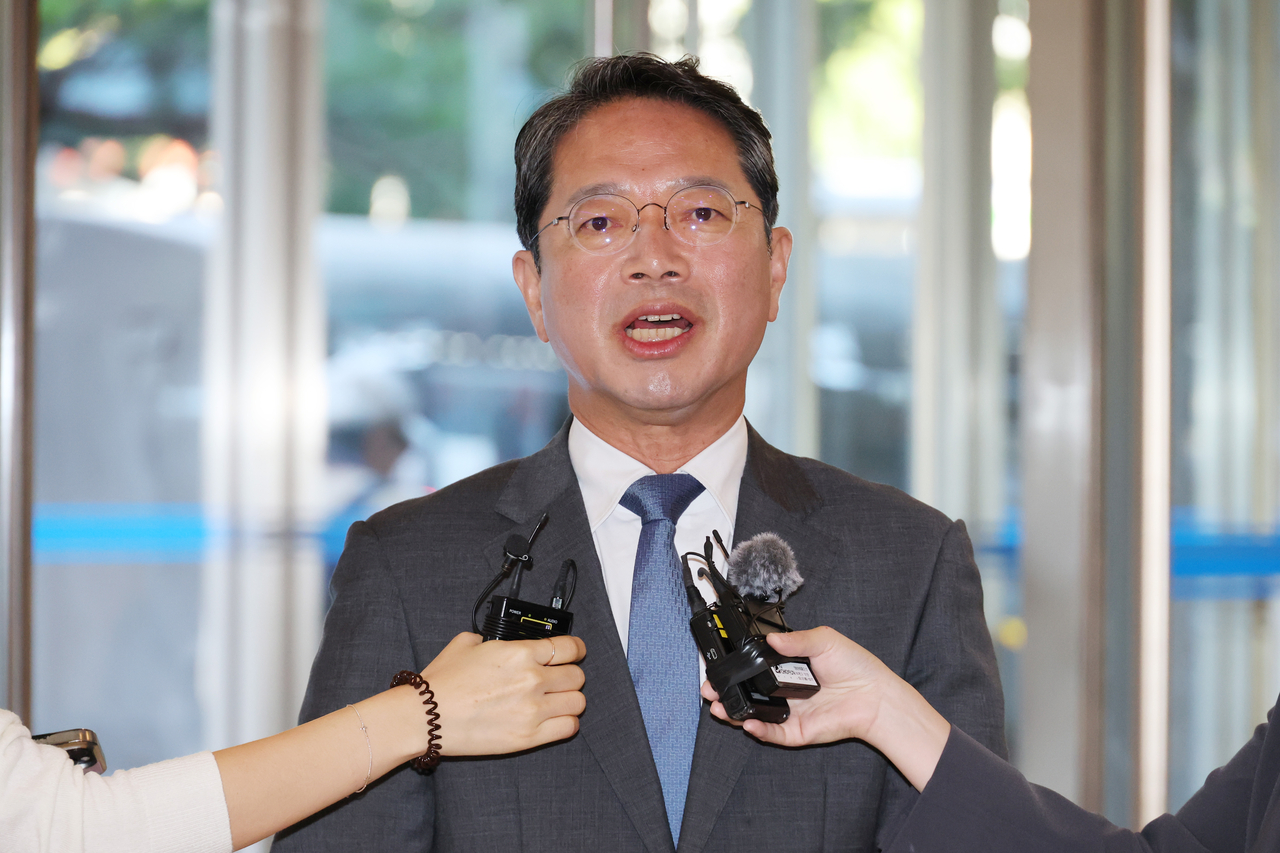
The People Power Party and other conservative opposition forces have kept up a relentless offensive against Justice Minister nominee Kim Seung-won, centering on three sets of allegations: that he lobbied for expedited approval of a Genencell clinical trial, that he was involved in share-price manipulation, and that his family received preferential treatment in payroll arrangements.
The lobbying allegation stems from a December 2024 deferred prosecution decision in which Kim was found to have asked the head of the Ministry of Food and Drug Safety in 2021, at the request of a broker surnamed Yang, to fast-track approval of Genencell's COVID-19 treatment clinical trial plan — and to have agreed to receive 5 million won ($3,740) in political donations in return.
The People Power Party has argued that the deferred prosecution was itself a flawed decision by prosecutors, and has cited conversations between Kim and Yang as evidence of active illegal lobbying, calling for a parliamentary investigation and the appointment of a special prosecutor.
The Democratic Party, however, is firmly committed to defending Kim — a stark contrast to its stance on Yong. Party leader Kim Min-seok said on Friday that "the more I watch him, the more I think he was a good pick. We will stand by him."
The party's calculation is that while public opposition to Kim is also significant, the COVID-19 clinical trial lobbying allegation has already been legally resolved in his favor, making it possible to persuade the public.
The party's position is that, given the deferred prosecution handed down by prosecutors under the Yoon Suk Yeol administration and the absence of new evidence establishing a quid pro quo, there are no grounds for Kim to be forced out.
The Democratic Party views the opposition's remaining attacks — led by independent lawmaker Han Dong-hoon and centered on gossip-level allegations involving the word "oppa" and a housewarming party — as little more than nitpicking.
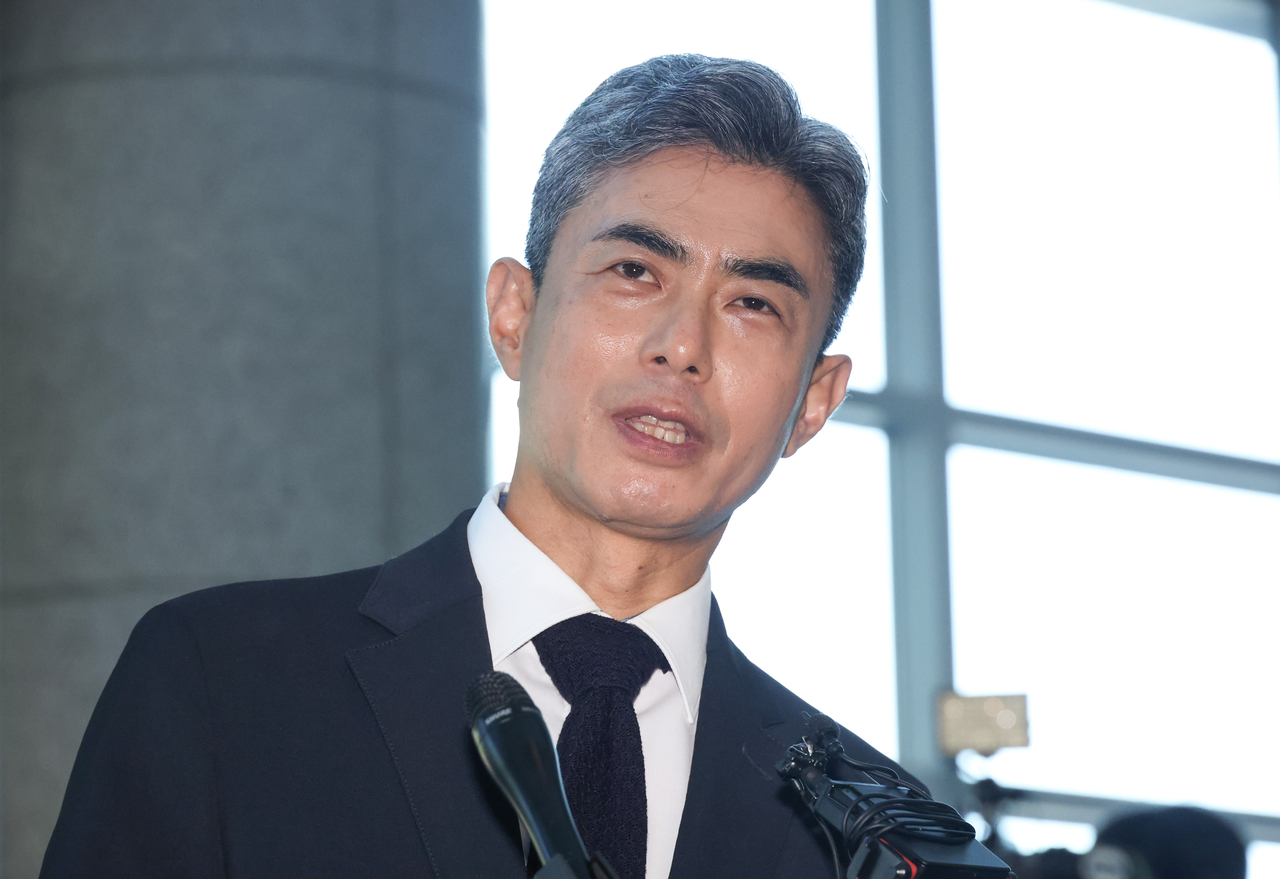
Meanwhile, the People Power Party has been targeting nominees Kang Shin-cheol, Lee Hyeong-il, Lee So-young and Hong Ji-seon over real estate-related allegations, arguing that each has used irregular methods — including gap investment in properties where they did not reside and fraudulent address registration — that run counter to the Lee administration's own housing policy emphasizing owner-occupancy.
Kang has drawn particular scrutiny after it emerged that four members of his immediate family — himself, his father, his aunt and his brother — each obtained special pre-sale eligibility reserved for displaced residents, sparking controversy over what critics called speculative flipping of pre-sale rights.
Lee Hyeong-il, for his part, is alleged to have lived in an apartment he purchased in Gwacheon, Gyeonggi Province, for only four months over a 17-year holding period. Lee So-young is alleged to have bought an apartment in Seodaemun-gu, Seoul, while renting a home in her own constituency on a jeonse contract, netting a paper gain of 700 million won in the process.
Hong drew criticism after it emerged she had purchased a Seoul apartment using a gap investment arrangement.
The Democratic Party has dismissed the People Power Party's offensive as mere mudslinging, maintaining that each of the nominees is the right person to lead their respective ministry given their experience and expertise.
cheon@heraldcorp.com