Ministry to accept applications through year-end after Friday's announcement, with picks due in first half of next year
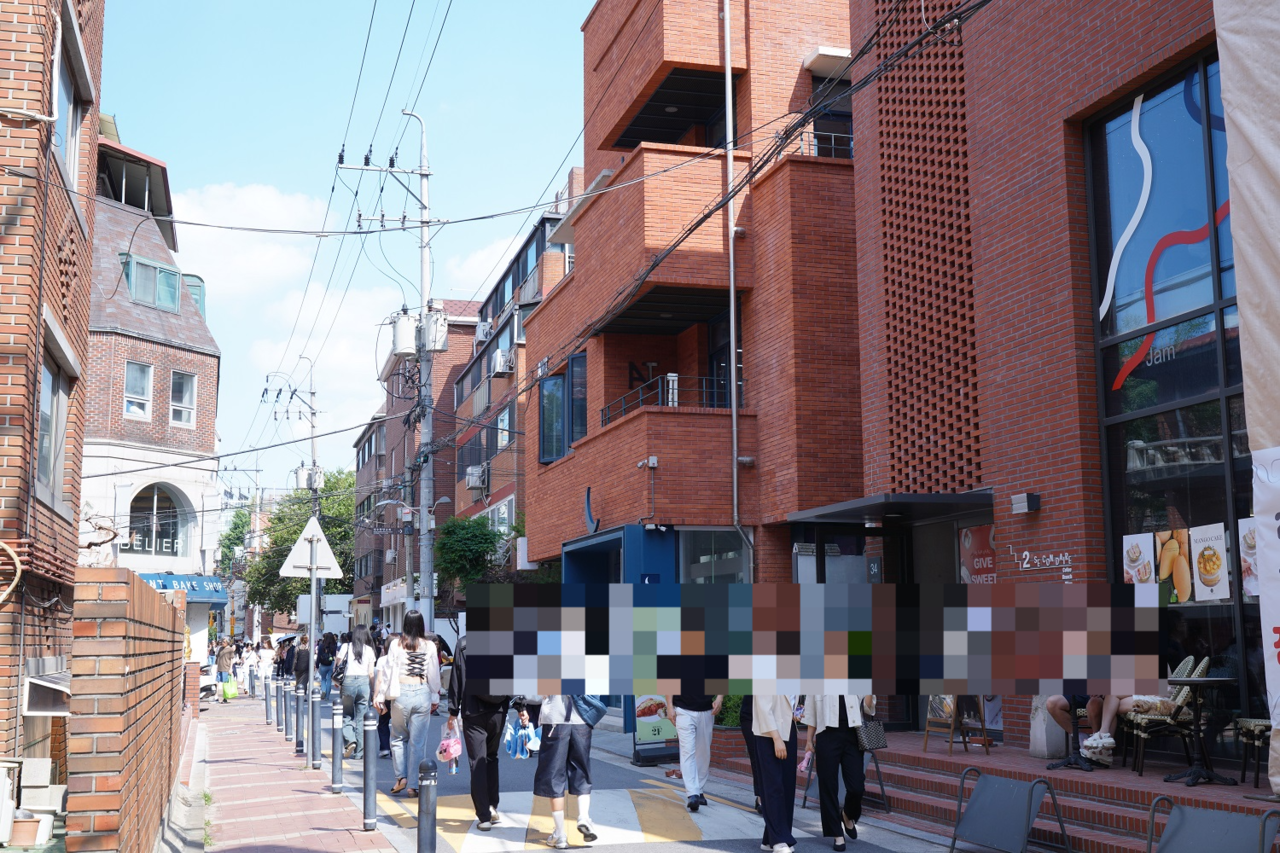
The selection process for new urban regeneration projects to be carried out next year has begun.
The Ministry of Land, Infrastructure and Transport said it will begin selecting new 2027 urban regeneration projects Friday, part of an effort to revitalize declining cities.
Local governments have until the end of the year to draw up project plans for the new round and submit them. The Special Committee on Urban Regeneration will then deliberate and make final selections in the first half of next year. Starting with this round, the ministry has extended the window between the announcement and the application deadline from one month to at least three months. This gives local governments more time to draw up thorough project plans. The ministry will also require at least two rounds of preliminary consulting sessions.
The government's urban regeneration projects fall into three categories: area-specific regeneration projects, support projects for improving aging residential areas, and certified projects.
Area-specific regeneration projects draw on a region's historical, cultural, industrial and other unique assets to build city brands, revitalize commercial districts and support startups, among other goals. These projects receive up to 15 billion won ($11.2 million) in state funding over four years.
Support projects for improving aging residential areas aim to upgrade living conditions in old, low-rise residential neighborhoods by supplying infrastructure and amenities and by supporting private housing renovation. These receive up to 15 billion won in state funding over five years, or up to 5 billion won over four years for vacant-house renovation projects.
Certified projects support smaller, point-based efforts such as installing or upgrading infrastructure and remodeling buildings, and receive up to 5 billion won in state funding over three years.
The ministry plans to hold a project briefing session for local governments Sept. 17 at the Korea Railroad Corporation's headquarters in Daejeon.
This year's new urban regeneration projects included Haedo-dong in Pohang, Moam-dong in Gimcheon, Jungang-dong in Gunsan and the Galma district in Daejeon.
Kim Yi-tak, first vice minister of the Ministry of Land, Infrastructure and Transport, said, "Urban regeneration projects are a key means of overcoming the crisis of regional decline and achieving balanced growth." He added, "We will actively support all stakeholders in the urban regeneration governance structure — local governments, support centers and residents — so they can work together to successfully carry out these projects."
smh@heraldcorp.com