Houthis strike Saudi air base, oil facility; 73 hurt
Saudi Arabia hits back with 54 airstrikes across Yemen
Pakistan: attack on one nation is attack on all three
Saudi Arabia, Pakistan, Turkey step up defense coordination
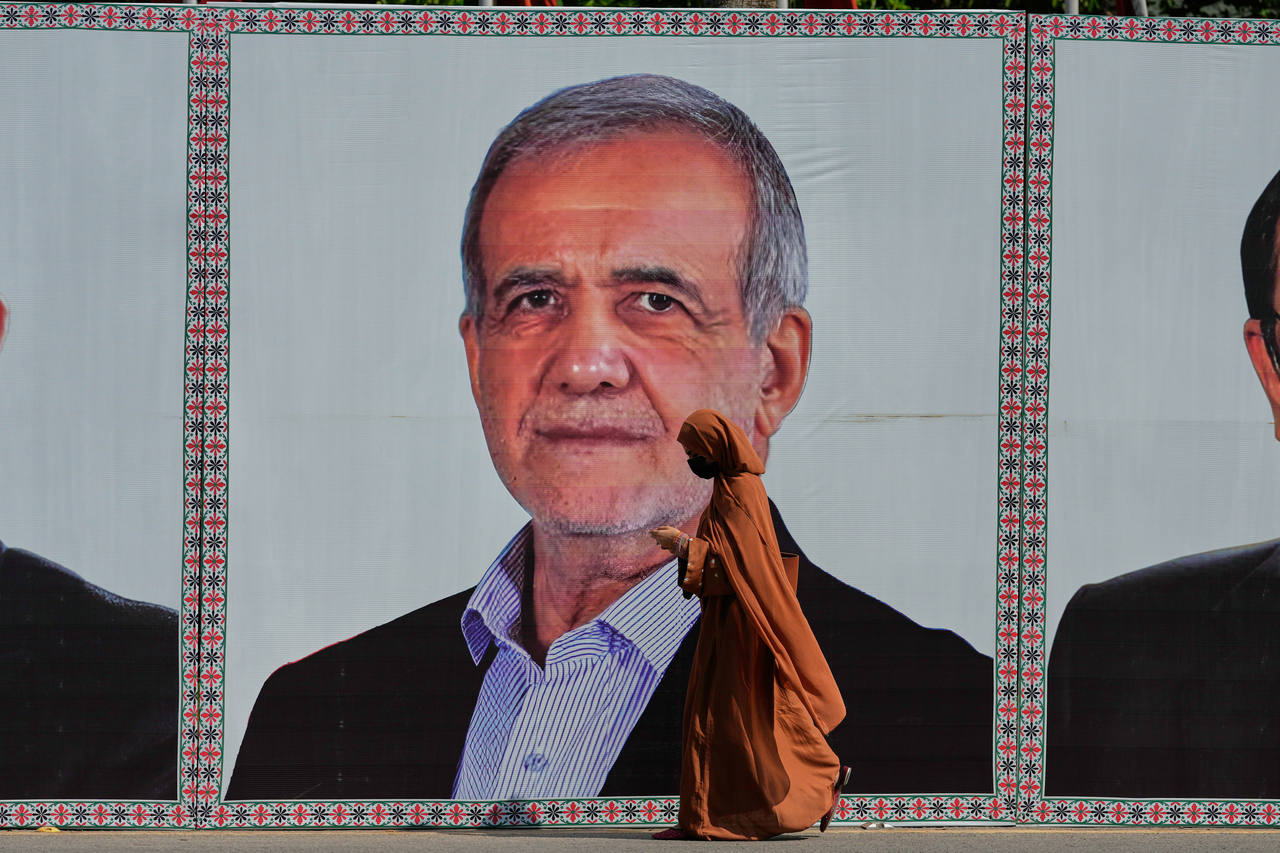
As Yemen's Houthi rebels intensify their attacks on Saudi Arabia, Pakistan has passed on a warning from Riyadh urging Iran to rein in the militants. Analysts say Iran's apparent strategy of using the Houthis to push back against US pressure is instead driving Saudi Arabia, Pakistan and Turkey into closer military coordination. Concern is also growing that the standoff between the United States and Iran could spill beyond the Strait of Hormuz into Saudi Arabia and Yemen. That could open a "second front" threatening global energy supplies.
Citing Saudi, Pakistani and Iranian sources, Reuters said Wednesday (local time) that Pakistan had recently delivered a warning to Iran calling for Tehran to restrain Houthi attacks on Saudi Arabia.
The intervention is unusual given Pakistan's long-standing effort to balance its ties between Saudi Arabia and Iran. A senior regional diplomat said Pakistan had relayed the message to Iran over the past 24 hours, urging Tehran to use its influence to stop the Houthi attacks on Saudi Arabia.
The Houthis struck an air base in Khamis Mushait in southern Saudi Arabia and oil infrastructure in a nearby city on Tuesday, wounding 73 people. It was one of the largest attacks on Saudi Arabia since the war between the United States, Israel and Iran began in February.
Saudi Arabia retaliated immediately. Houthi military spokesperson Yahya Saree said Saudi fighter jets carried out 54 airstrikes across several parts of Yemen over 12 hours. He warned of further retaliation, saying the Saudi attacks "will not go unanswered and unpunished."
Pakistan's active mediation is rooted in a defense pact with Saudi Arabia. Pakistan, Saudi Arabia and Turkey signed a joint defense agreement last month. Under the pact, an attack on any one of the three countries is treated as an attack on all three.
Pakistani Defense Minister Khawaja Asif said in an interview with Pakistani broadcasters that "an attack on one country will be considered an attack on all three."
"There is no ambiguity or doubt about this," he said. "If an unprovoked attack or conflict spreads to Saudi Arabia, this agreement will clearly come into effect."
In practice, Saudi Arabia, Pakistan and Turkey are already deepening their military coordination. Saudi officials recently met with senior military officials from Pakistan and Turkey in Riyadh to discuss a response.
However, the three countries have reportedly agreed not to deploy troops on Yemeni territory. Pakistan's military can provide military and technical support, or ground and air support, within Saudi territory, but has no plans to directly join combat operations on foreign soil.
For now, Pakistan is leaning toward a diplomatic solution rather than military intervention. "Pakistan has a pact with Saudi Arabia, but it hopes the situation will not reach the point where Pakistan actually has to get involved," one regional diplomat said. "For now, it will pursue a diplomatic resolution."
Iran maintains it has no direct control over the Houthis. A senior Iranian official who received the warning from Pakistan replied that "Iran does not control the Houthis," Reuters said.
Yet other accounts suggest Iran has recently pushed the Houthis to expand their attacks on Saudi Arabia. Two Iranian sources said Tehran instructed the Houthis last week to attack Saudi Arabia, promising additional funding and weapons. Several commanders of Iran's Islamic Revolutionary Guard Corps have reportedly traveled to Yemen to help coordinate the attacks.
Some analysts say Iran's strategy could backfire. Tehran appears to be stoking insecurity across the Gulf to pressure the United States into easing its blockade on Iranian ports. Instead, the effect has been to strengthen security cooperation among Washington's partners — Saudi Arabia, Pakistan and Turkey.
The confrontation is also emerging as a fresh risk to global energy markets. As the United States and Iran trade attacks on vessels in Gulf waters, the Houthi strikes on Saudi oil facilities threaten to open another front beyond the Strait of Hormuz. That front could further threaten global energy supplies.
Southern Saudi Arabia is home to major oil infrastructure, including the Jizan refinery, which can process 400,000 barrels a day. Recent Houthi attacks have sparked fires at some oil facilities and infrastructure, temporarily halting operations.
Saudi Arabia, however, is reportedly avoiding an escalation into direct military conflict with Iran. Its military response is expected to remain focused on the Houthis rather than Iran itself.
The United States, meanwhile, shows no sign of easing pressure on Iran. Regional officials believe US President Donald Trump intends to keep the blockade in place until Iran reaches an agreement with Washington. Qatar is reportedly working behind the scenes on a new mediation proposal to bring both sides back to the negotiating table.
"The question is how much pain Iran can endure, and for how long," a regional source said of Trump's strategy. "Trump does not want a military solution. He wants to pressure Iran through the blockade."
sjy@heraldcorp.com