
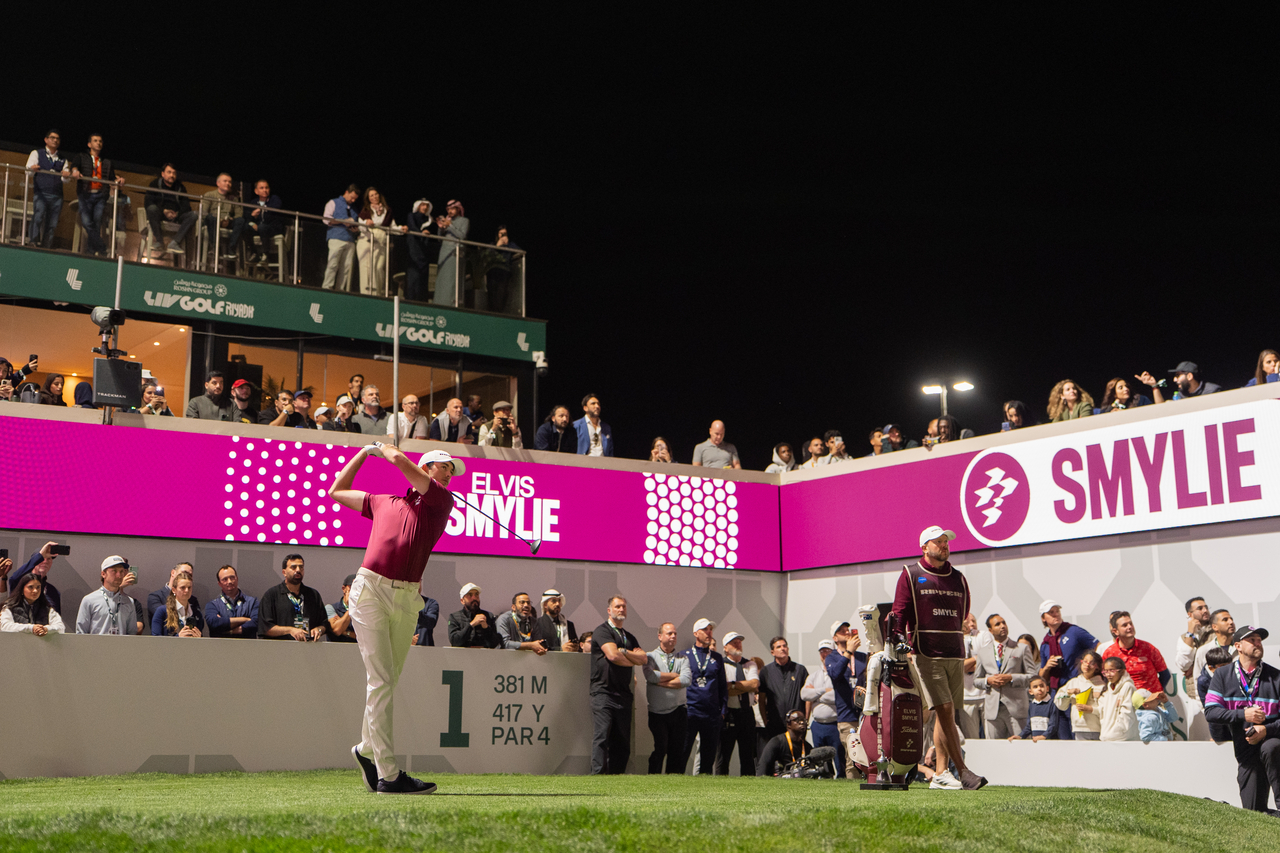
LIV Golf failed to overcome its financial crisis and entered bankruptcy protection proceedings under Chapter 11 of the US Bankruptcy Code.
According to major foreign media outlets including Golfweek on Wednesday, LIV Golf recently formally filed for bankruptcy protection in a US federal bankruptcy court. It also submitted a reorganization plan centered on restructuring its debt. The "golf money game" had threatened the dominance of the PGA Tour since its 2022 launch, backed by trillions of won in spending. It has now collapsed into court receivership after just over four years.
The immediate trigger for the collapse was the suspension of funding by its biggest backer and founding entity, Saudi Arabia's Public Investment Fund (PIF). Since the league's launch, PIF had poured an astronomical $4 billion to $6 billion into recruiting top-tier golfers. But poor broadcast rights sales and failure to secure sponsors left it with massive accumulated losses. Once the Saudi government realigned its economic strategy and stopped covering the losses, LIV Golf's finances rapidly deteriorated.
The financial troubles led to disrupted schedules and legal disputes. The season-ending Team Championship was canceled, or prize money was reduced and withheld. Multiple partner companies — including app developers and media production firms — filed a wave of lawsuits over millions of dollars in unpaid service fees.
The Chapter 11 process LIV Golf chose is not corporate liquidation but a court-supervised debt restructuring and business normalization procedure. Immediately upon filing, all enforcement actions against the debtor's assets — including seizures, provisional attachments, debt collection and lawsuits by outside contractors over unpaid service fees — are automatically frozen. LIV Golf will also borrow emergency operating funds, known as a bridge loan, to keep the league running at a minimal level. It will ask the court to approve priority repayment status for that loan.
In addition, LIV Golf can use Section 365 of the federal bankruptcy code to terminate existing unfavorable contracts. This move gives LIV Golf a key tool to wipe out remaining contract payments worth hundreds of millions of dollars. Those payments are owed to marquee players such as Jon Rahm of Spain and Bryson DeChambeau of the United States, and would be converted into "general unsecured claims."
LIV Golf has offered players a lowball repayment plan worth just a few cents on the dollar for unpaid amounts. It has also proposed a "player-shareholder-centered model (LIV 2.0)" that would distribute equity in the newly formed entity instead of cash. At the same time, the league has already cut more than 90 percent of its headquarters staff and slimmed down operations, including reducing the number of tournaments to around 10.
Going forward, the court will form an official committee of unsecured creditors (UCC) to vote on the reorganization plan. Even without the consent of creditors, including the players, the court can force approval of the reorganization plan on its own authority. However, if the plan is ultimately rejected or the league fails to secure new investment, the case will convert to a liquidation procedure involving the forced sale of assets.
sports@heraldcorp.com




