Former district mayors Oh Seung-rok, Lee Pil-hyung, Park Kang-su, Choi Ho-kwon and Yoo Sung-hoon draw attention with their post-office moves
Kim Sung-hwan, minister of climate, environment and energy, is a remarkable political success story — one who began as a National Assembly member's aide and rose through the ranks as a Nowon-gu council member, Seoul Metropolitan Council member, Cheong Wa Dae secretary, two-term Nowon-gu district mayor and three-term National Assembly member before reaching the Cabinet.
His trajectory — from grassroots politics to the heart of central government and the administration — is widely cited as a symbolic example of what South Korea's restored local autonomy can produce. He is, in every sense, a "son of local government."
A Yonsei University law graduate, Kim built his career on a solid academic foundation, broad administrative and political experience, and the strong Democratic Party base of Nowon-gu.
His rise has opened the imagination of current and former Seoul district mayors, who now see a path not just to the National Assembly but potentially to the Cabinet as well.
Among sitting Assembly members who previously served as Seoul district mayors are Kim Young-bae, Lee Hae-sik and Kim Woo-young. Within the Democratic Party in particular, the progression from district council member to city council member to district mayor to National Assembly member has become an established political tradition.
The groundwork has been laid for any sitting or former district mayor to seriously entertain ambitions of entering the Assembly.
Against that backdrop, the recent moves of former Nowon-gu District Mayor Oh Seung-rok, former Dongdaemun-gu District Mayor Lee Pil-hyung, former Mapo-gu District Mayor Park Kang-su, former Yeongdeungpo-gu District Mayor Choi Ho-kwon and former Geumcheon-gu District Mayor Yoo Sung-hoon are drawing close attention.

Oh Seung-rok moves from Junggye-dong to Gongreung-dong, broadening his base in Nowon-gap
Former Nowon-gu District Mayor Oh Seung-rok is widely regarded as one of the most prominent figures preparing a run for the National Assembly after voluntarily stepping back from seeking a third district mayoral term.
Local political circles have been speculating that former Assembly Speaker Woo Won-shik may not seek re-election in the next general election, and observers expect Oh to move into that political opening.
During his two terms as district mayor, Oh earned praise for leaving a clear mark on Nowon-gu — most notably by turning the recreational facility Surak-hyu into a nationally recognized destination, building on the legacy of his predecessor Kim Sung-hwan.
He has recently taken on roles as a special professor at Kwangwoon University and as senior vice chairman of the Democratic Party's Nowon-gap district committee, steadily expanding his public profile.
Particularly telling is his decision to leave Junggye-dong, where he had lived for 23 years, and relocate to Gongreung-dong — a move widely interpreted as positioning for the next general election. Gongreung-dong sits at the heart of the Nowon-gap constituency.

Lee Pil-hyung walks from Haenam to Goseong in 'Pilbro's National Trek'
Former Dongdaemun-gu District Mayor Lee Pil-hyung has embarked on a highly unconventional project since leaving office.
On Aug. 16, Lee set out on what he calls "Pilbro's National Trek" — a long-distance walk from Ttangkkeut Village in Haenam, South Jeolla Province, to the Unification Observatory in Goseong, Gangwon Province.
On the first day, he visited Unjusa, a millennium-old Buddhist temple famed for its reclining Buddha, pausing for quiet reflection. On Friday, the 13th day of the trek, he shared footage on Facebook and YouTube of his walk from Yeongok 3-ri in Danyang-gun, North Chungcheong Province, to Wondongje Pass.
Lee graduated from Korea University before joining the National Intelligence Service, where he rose to the key post of political affairs chief — a position that reflected his recognized capabilities.
He suffered a political setback when his appointment as presidential political affairs secretary under the Lee Myung-bak administration was rescinded within a day of being announced. He later channeled that experience into a book about a cross-country journey and has since established himself as a prolific writer, consistently publishing travel accounts of climbs on the Himalayas and other major peaks around the world.
He continued writing throughout his tenure as district mayor, publishing works including "Words Change the World." He also maintained an annual tradition of visiting the May 18th National Cemetery and climbing Mudeungsan with senior staff at year's end.
Whether this national trek will mark the starting point of a political comeback is a question drawing considerable interest.
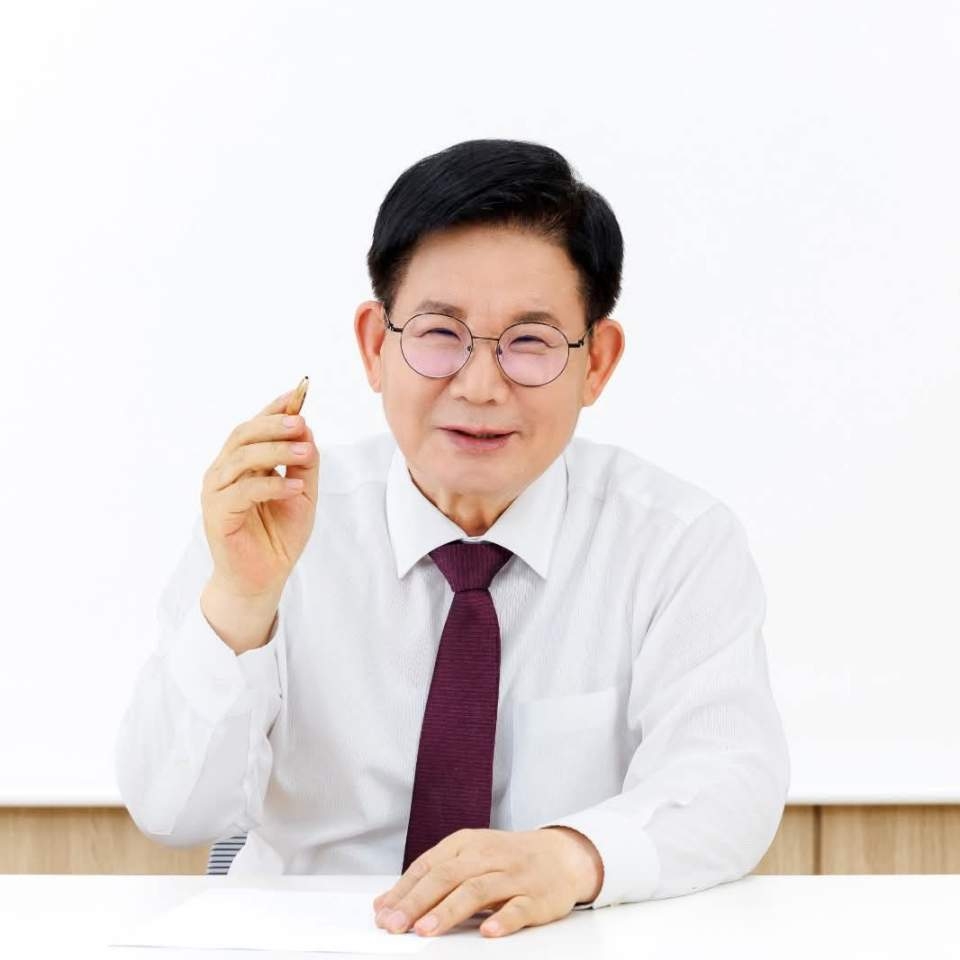
Park Kang-su expands from local governance commentary to national political criticism
Former Mapo-gu District Mayor Park Kang-su is another figure drawing attention.
A recognized poet and essayist, Park built a reputation during his tenure as a tireless district mayor who personally surveyed every corner of the district every single day of his four-year term.
Residents remember him as a mayor who never once traveled abroad on official business during those four years — a testament to his singular focus on local administration.
Since leaving office, Park has been actively using Facebook to share his positions on policies he pursued during his tenure and on various controversies that have since emerged.
More recently, he has broadened his reach into national political commentary, criticizing the nomination of Yong Hye-in as minister of gender equality and family and the Lee Jae Myung administration's real estate policy.
Park also runs the prominent YouTube channel Sisa Focus and was elected chairman of the Korea YouTube Broadcasting Association.
These moves have prompted speculation in local political circles that Park may have his sights set on the next general election.
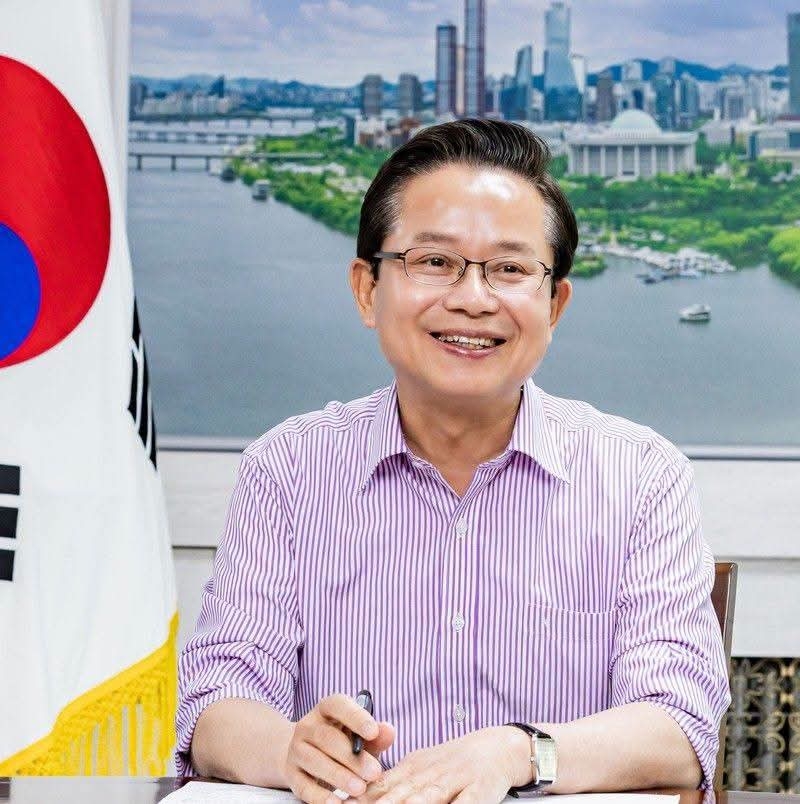
Choi Ho-kwon eyes political comeback after painful nomination snub
Former Yeongdeungpo-gu District Mayor Choi Ho-kwon has kept a relatively low profile of late, but speculation about a possible run in the next general election continues to circulate.
During his tenure, Choi earned considerable credit for securing Yeouido as the site of a second Sejong Center for the Performing Arts and for pushing through reconstruction projects in the Yeouido and Singil-dong areas.
He also drew praise for organizing visits to the National Science Museum in Gwacheon, Samsung Electronics headquarters and TSMC headquarters in Taiwan to foster scientific thinking among residents and students.
Within the district office, he was known for running a rational organization that did not burden staff with unreasonable demands, earning strong internal trust.
Despite that record, he suffered a painful political blow when the party abruptly dropped him from consideration for nomination ahead of the local elections — reversing an earlier announcement that a primary election would be held. He is said to be biding his time and working toward a political comeback.
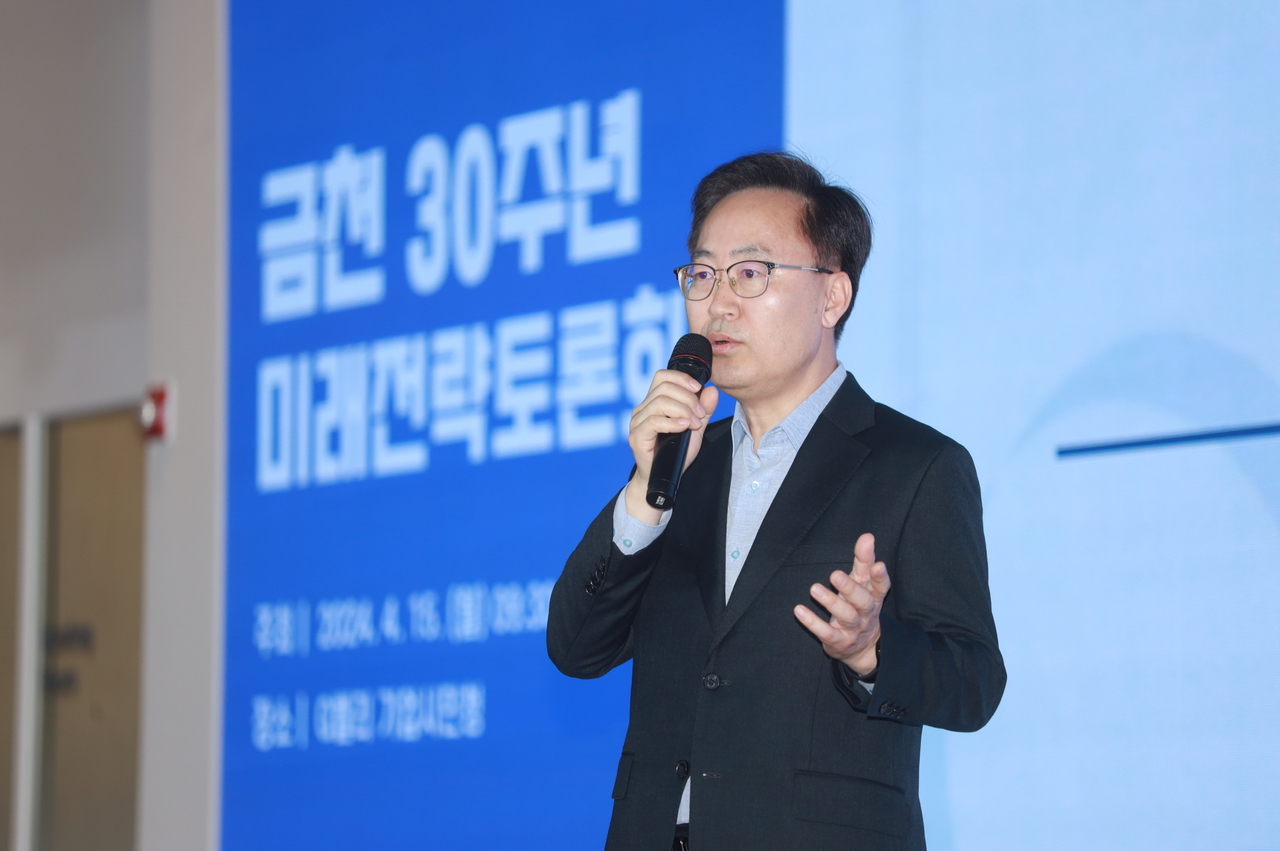
Will Yoo Sung-hoon leverage Geumcheon's development record for an Assembly bid?
Yoo Sung-hoon, who served two terms as Geumcheon-gu district mayor, is also keeping a quiet profile for now, but talk of a possible run in the next general election has been circulating locally.
Amid growing public distrust of local politics, there is a body of opinion that values the eight years Yoo devoted to developing Geumcheon-gu during his time in office.
Whether Yoo will leverage the administrative experience and local base he built during his tenure to mount a bid for the National Assembly remains a question worth watching.
In their own distinct ways, former district mayors Oh, Lee, Park, Choi and Yoo are each charting a political course after leaving office.
A district mayor oversees local administration and has their performance tested in the closest possible proximity to residents. That intimate knowledge of local issues and public sentiment gives them a meaningful competitive edge as potential Assembly candidates.
Politics, however, is unpredictable. Intraparty nomination battles, electoral dynamics and relationships with incumbent lawmakers all represent significant hurdles yet to be cleared.
As the politician who most embodies the "son of local government" ideal, Minister Kim Sung-hwan has set a high bar. How many of these former district mayors will ultimately follow him into the National Assembly is already a question generating considerable interest.
seouldream01@heraldcorp.com