Testing HyREX technology with Australian iron ore
Process performance to vary by ore quality
Low-carbon tech replaces coal with hydrogen
Verification push targets 2030 commercialization
300,000-ton pilot facility under construction in Pohang
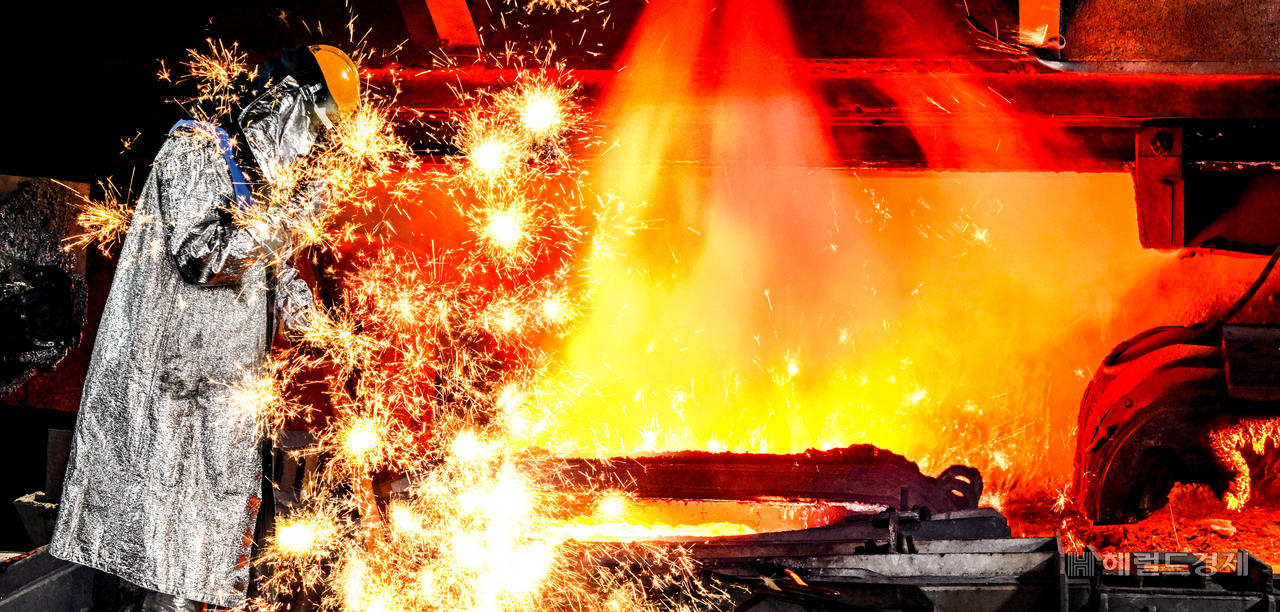
Posco is joining forces with Australian mining giant BHP to verify the commercial viability of its hydrogen-based steelmaking technology. The move comes amid mounting pressure on the steel industry to cut carbon emissions and shift to greener production methods, and signals an effort to build a low-carbon-ready supply chain starting at the raw materials stage.
Posco announced Thursday that it had signed a hydrogen steelmaking cooperation agreement with BHP at Cheongsongdae in Pohang. Under the deal, the two companies will jointly pursue commercial technology verification of Posco's hydrogen reduction ironmaking process, HyREX.
BHP has been a key raw materials supplier to Posco, providing iron ore, coking coal and nickel. Posco plans to use BHP iron ore to test whether HyREX operates reliably across a range of raw material conditions. The companies will also examine how process performance varies depending on the characteristics and quality of the iron ore, with the aim of identifying the optimal raw material specifications for commercialization.
![[Source: Ministry of Climate, Environment and Energy]](https://wimg.heraldcorp.com/news/cms/2026/09/03/news-p.v1.20251120.97e12bfdf5464f718551945f17143d26_P1.jpg)
HyREX uses hydrogen as a reducing agent in place of the coal used in conventional blast furnace processes to produce molten iron. Because the steel industry is one of the largest sources of carbon emissions, hydrogen reduction steelmaking is considered a core technology in steelmakers' medium- to long-term decarbonization strategies. With the EU tightening carbon regulations and major economies stepping up protectionism, the ability to produce low-carbon steel is increasingly tied to future export competitiveness.
Posco plans to build a HyREX demonstration facility in Pohang with an annual capacity of 300,000 tons and secure commercial-scale technology by 2030. Construction of the pilot plant began in April, and the company expects to complete it in 2028 before conducting phased trial operations to determine optimal operating conditions.
BHP will use the partnership to verify how its iron ore performs in next-generation low-carbon steelmaking processes. The two companies will share technical know-how on raw materials for hydrogen steelmaking and explore ways to reduce Scope 3 carbon emissions across the supply chain, including in raw material production and transportation.
The agreement follows an MOU the two companies signed last October, attended by Australian Prime Minister Anthony Albanese and Posco Group Chairman Chang In-hwa. It is also significant in that bilateral cooperation has expanded beyond conventional resource trade into research and development.
![An illustration of Posco's hydrogen reduction ironmaking technology, HyREX. [Provided by Posco]](https://wimg.heraldcorp.com/news/cms/2026/09/03/news-p.v1.20260324.499f8980bcae4a018c6f0e3f7b2a15b6_P1.jpg)
Posco has been broadening its external partnerships as it develops low-carbon steelmaking technology. Having signed a technical cooperation agreement with engineering firm Primetals in 2024, the company has now added BHP as a partner, strengthening a framework that verifies both the technology and the raw material supply chain together.
Eom Gyeong-geun, head of Posco's Technical Research Institute, said the partnership "carries great significance as a steelmaker and a global raw materials supplier prepare together for the future of low-carbon steelmaking," adding that the company would "accelerate the development of low-carbon steelmaking technology by expanding cooperation with global raw materials suppliers, starting with BHP."
Ben Ellis, BHP's head of marketing and sustainability, said the project "is an extension of our long-standing innovative steelmaking technology collaboration with Posco." He added that BHP believed it could play an important role in developing new technologies and pathways to help customers decarbonize their steelmaking processes, and that the partnership would help ensure Australian iron ore remains relevant in the low-carbon steelmaking era.
kwater@heraldcorp.com