
First supplementary budget of the ninth elected-term administration set at 41.4 billion won ($30.1 million), lifting total spending from 865.8 billion won to 907.2 billion won; 16 billion won allocated to lifecycle care, 5.4 billion won to public safety
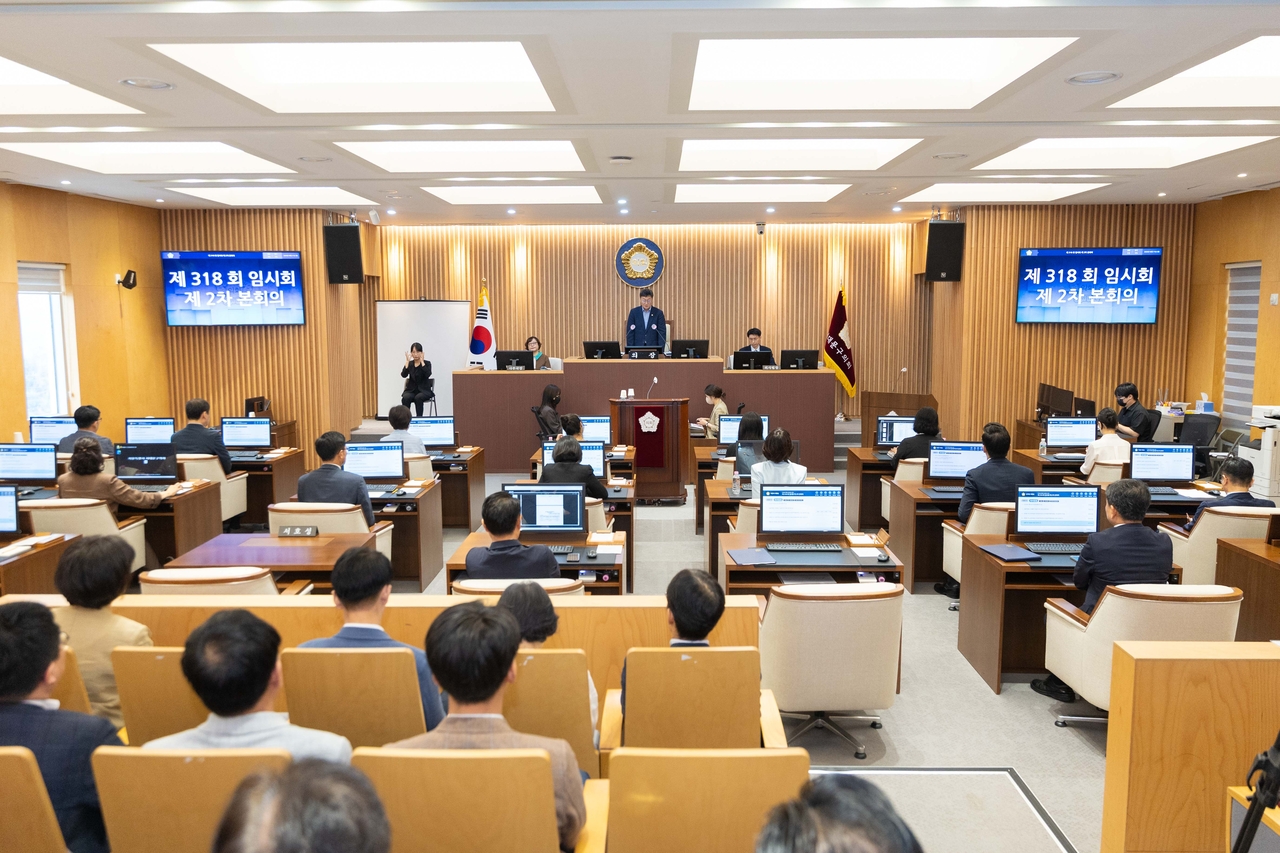
Seodaemun-gu has placed care services and public safety at the center of its fiscal priorities in the first supplementary budget of the ninth elected-term administration.
The district announced Tuesday that the 2026 first supplementary budget of 41.4 billion won ($30.1 million) was approved at the second plenary session of the 318th extraordinary session of the Seodaemun-gu Council on Monday.
Of that total, 16 billion won was directed toward lifecycle care services and 5.4 billion won toward disaster and infectious disease prevention and everyday public safety.
The supplementary budget raises Seodaemun-gu's total spending from 865.8 billion won to 907.2 billion won, an increase of 41.4 billion won, or 4.78 percent. The general account grows by 40.1 billion won to 895.6 billion won, while the special account rises by 1.3 billion won to 11.6 billion won.
Care services account for one of the largest shares of this supplementary budget. The 16 billion won allocated to lifecycle care covers residents from children to people with disabilities and vulnerable groups. Specific line items include 2.4 billion won for child allowances, 1.4 billion won for infant and toddler childcare fees, 3.5 billion won for livelihood benefits, 1.2 billion won for disability activity support benefits, and 1 billion won for childcare staff wages — all aimed at supporting families raising children and residents who need care.
The district is also committing 5.4 billion won to safety measures residents can feel in their daily lives. That includes 1.6 billion won for infectious disease prevention such as national vaccination programs, 1.3 billion won for maintenance of aging road surfaces and sidewalks, and 800 million won for upkeep of local streams including Hongjecheon and Bulgwangcheon. An additional 240 million won has been set aside for crime-prevention CCTV cameras and smart traffic safety infrastructure.
Combined, the care and safety allocations total 21.4 billion won — more than half the entire supplementary budget. The district said it deliberately directed limited fiscal resources first to the areas most closely tied to residents' everyday lives.
The budget also includes measures to revitalize neighborhoods and local streets: 200 million won for resident autonomy council activities and community festival support, 100 million won for traditional market revitalization and facility upgrades, and 600 million won for maintenance of park greenery and street trees.
The remaining funds cover the return of national and city government subsidies and essential administrative operating costs.
The budget also carries significance as the first spending plan drawn up since the ninth elected-term administration took office. The district said it has reordered its fiscal priorities around care, safety and the local economy — areas that directly touch the daily lives of children, youth, people with disabilities and senior residents.
"What matters more than the size of the budget is what we change first in residents' lives," Seodaemun-gu District Mayor Park Un-gi said. "We will spend public funds first on protecting residents' daily lives — from families raising children and neighbors who need help, to the streets and roads they walk every day."
seouldream01@heraldcorp.com



