Ministry of Land sets record 69 trillion won budget for 2027
Housing sector allocation rises from 38.4 trillion to 44 trillion won
Public housing budget reaches 30 trillion won; universal rental gets 6.2 trillion
Youth rental budget nearly doubles from 9.4 trillion to 18.1 trillion won
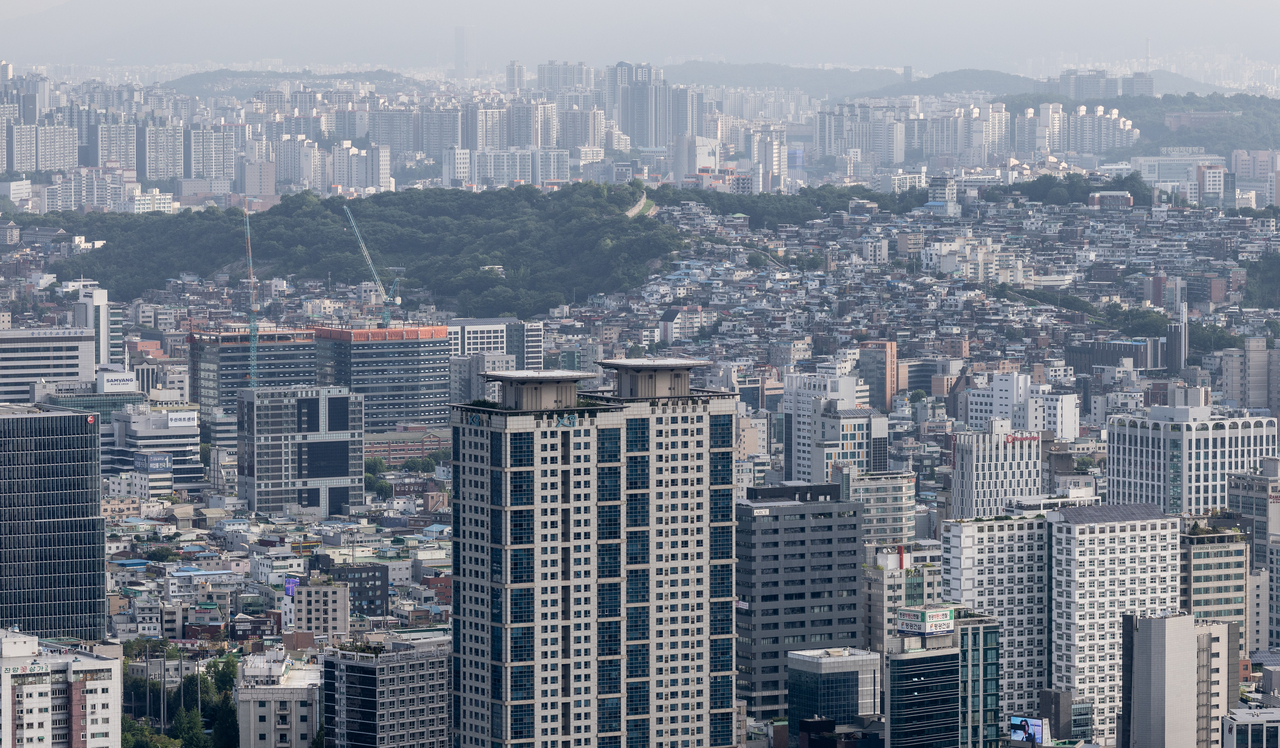
The government has allocated a record 44 trillion won ($32 billion) in next year's budget to expand housing supply, sharply increasing funding for youth housing support programs including a newly introduced universal public rental housing scheme and the Youth Future Home Loan. The 30 trillion won earmarked for public housing alone also marks an all-time high. The scale of the allocation reflects the government's strong commitment to easing the housing burden on non-homeowning households — including young people and newlyweds — and strengthening pathways to homeownership.
The Ministry of Planning and Budget and the Ministry of Land, Infrastructure and Transport unveiled the 2027 budget proposal Tuesday. The ministry's total budget for next year stands at 69 trillion won, up 9.9 percent from this year's 62.8 trillion won and the largest in its history. It accounts for about 8.4 percent of the government's total expenditure of 820.9 trillion won.
Within the housing sector, the overall budget rises 14.5 percent from 38.4 trillion won this year to 44 trillion won next year. The largest share — the public housing budget — grows from 21.2 trillion won to 30 trillion won, an increase of nearly 9 trillion won, driven by a planned expansion in public housing supply from 194,000 units this year to 218,000 units next year. The government plans to deliver 172,000 public rental units, 34,000 publicly sold units and 12,000 privately built units with public support.
For young people specifically, the number of public housing units targeted at youth rises from 71,000 to 106,000 — an increase of 35,000 units. To supply public rental housing in preferred locations such as transit-oriented areas in city centers, the government plans to invest 18.1 trillion won next year, nearly double this year's 9.4 trillion won. That figure includes 20,000 units of the new universal public rental housing (3.83 trillion won) introduced under the Aug. 13 rapid housing supply plan, as well as 10,000 youth support housing units (1.4 trillion won) aimed at reducing housing costs for young people outside the Greater Seoul area.
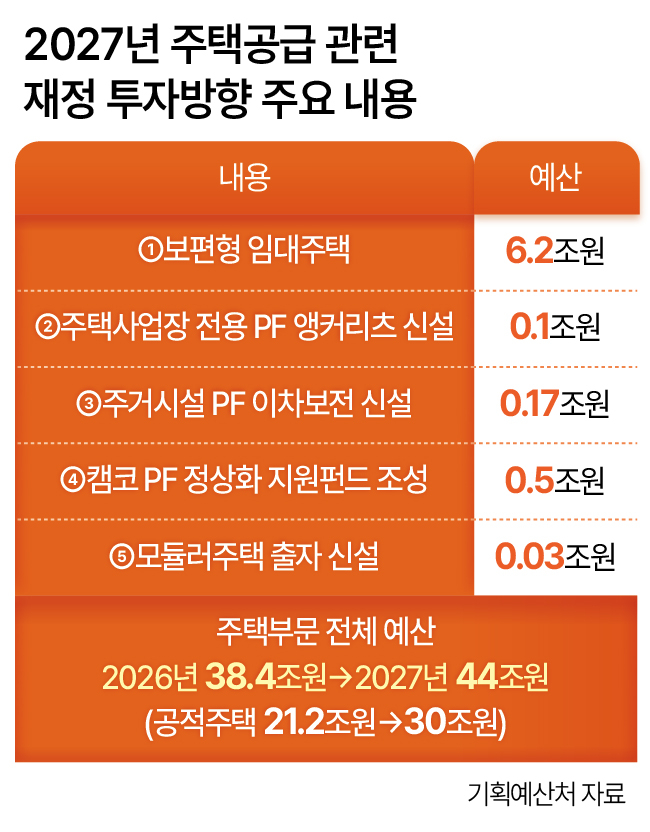
A total of 6.2 trillion won has been set aside for the new universal public rental housing scheme — a transit-oriented, mid-sized unit format designed to be accessible to middle-income households as well. The breakdown covers 4.77 trillion won in loans and investments for universal public rental housing, 238 billion won in loans for universal multi-family purchase rental, 306 billion won in equity investment for universal multi-family purchase rental and 900 billion won in loans for universal jeonse rental.
The budget for expanding the youth housing ladder doubles, from 200 billion won to 400 billion won. As the income eligibility threshold for the youth monthly rent support program will be relaxed next year from 60 percent to 100 percent of the median income, the dedicated budget for that program rises from 130 billion won to 231.9 billion won. The government aims to significantly expand the number of households receiving youth monthly rent support, from about 1.83 million this year to about 2.35 million next year.
Also included is 59.7 billion won for the Youth Future Home Loan, a new policy loan that provides low-interest financing to first-time homebuying young people purchasing non-apartment properties valued at 400 million won or less. Expanded coverage for youth jeonse deposit return guarantee fees and relaxed income eligibility for the Youth Housing Dream housing subscription account are also reflected in the budget as part of the effort to strengthen the housing ladder for young people.
A range of new financial support programs for developers aimed at accelerating housing supply are also included. Some 169.6 billion won will go toward an interest subsidy program for project financing loans on residential developments that break ground early, while 100 billion won will fund a dedicated project financing anchor REIT under which the public sector makes upfront investments at the project launch stage.
In total, eight new housing programs — including the project financing interest subsidy and the universal public rental housing scheme — are included in next year's Ministry of Land, Infrastructure and Transport budget, amounting to 7.8 trillion won.
A ministry official said the 2027 budget is the first drawn up entirely under the current administration and fully reflects the government's priority investment areas and programs that citizens can feel directly. "We closely analyzed every budget program to maximize fiscal effectiveness, and through rigorous expenditure restructuring — cutting routine spending and underperforming programs — we reinvested all of the savings into the government's key policy priorities," the official said.
hwshin@heraldcorp.com