
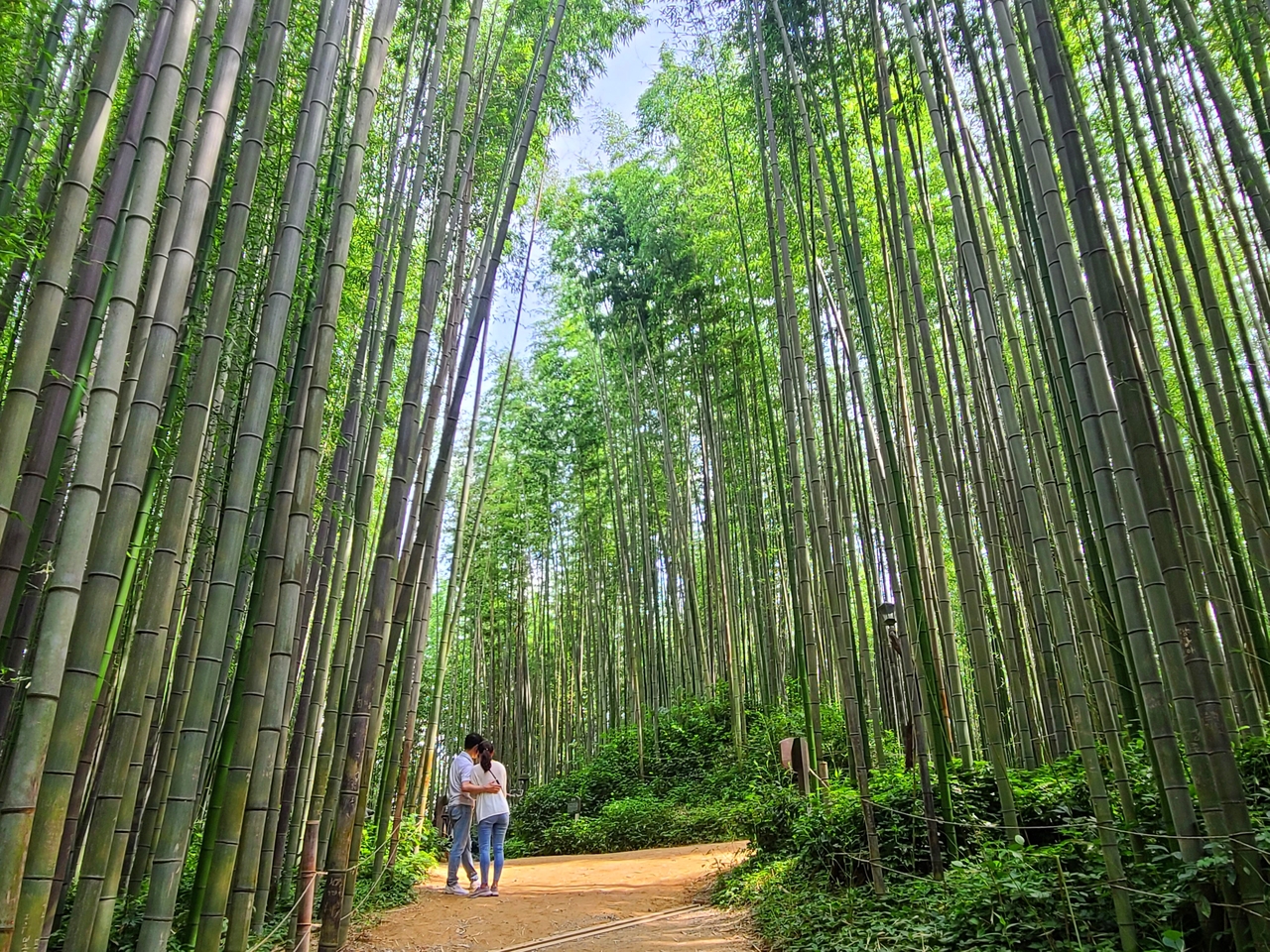
Tourist destinations across South Jeolla Province and Gwangju — including Damyang's Juknokwon bamboo garden, Suncheon Bay National Garden, Boseong's green tea fields and Mokpo's Modern History Museum — are drawing fresh attention after being recognized in a major national tourism initiative.
The Ministry of Culture, Sports and Tourism's "100×100 Representative Landmarks of Korea" project selected 1,032 sites from the South Jeolla Province and Gwangju region, raising hopes for a boost to local tourism.
The project has travel experts recommend 100 landmarks for each of 100 thematic categories, with a public vote determining the final representative sites.
More than 40,000 members of the public participated in June and July, producing an initial selection of 9,883 sites nationwide.
South Jeolla Province and Gwangju placed fourth among all regions with 1,032 selections, behind Seoul with 1,261, North Gyeongsang Province with 1,088 and Gangwon Province with 1,058.
In the overall vote tally, Suncheon Bay National Garden ranked sixth, Damyang's Juknokwon seventh, Suncheon Bay Wetlands eighth and Damyang's Metasequoia-lined boulevard ninth.
In the ecology, leisure and food categories, selected sites included Mudeungsan National Park, Haenam's Ttangkkeut Village, Boseong's green tea fields, Sinan's Purple Island, Mokpo's maritime cable car, paragliding at Jirisan in Gurye and a nakji (octopus) street in Muan.
Cultural and arts landmarks included Jeonil Building 245, Gwangju's Yangnim Modern History and Culture Village, Mokpo's Modern History Museum and Suncheon's Naganeupseong Folk Village.
sij@heraldcorp.com



