As the Middle East war between the United States and Iran drags on, South Korean refiners are expected to extend their windfall gains into the second half of the year — beyond the first half that analysts had initially expected to be the peak.
The US Energy Information Administration recently said in its short-term energy outlook that global crude supply disruptions stemming from the Middle East conflict would persist at least through the end of next year.
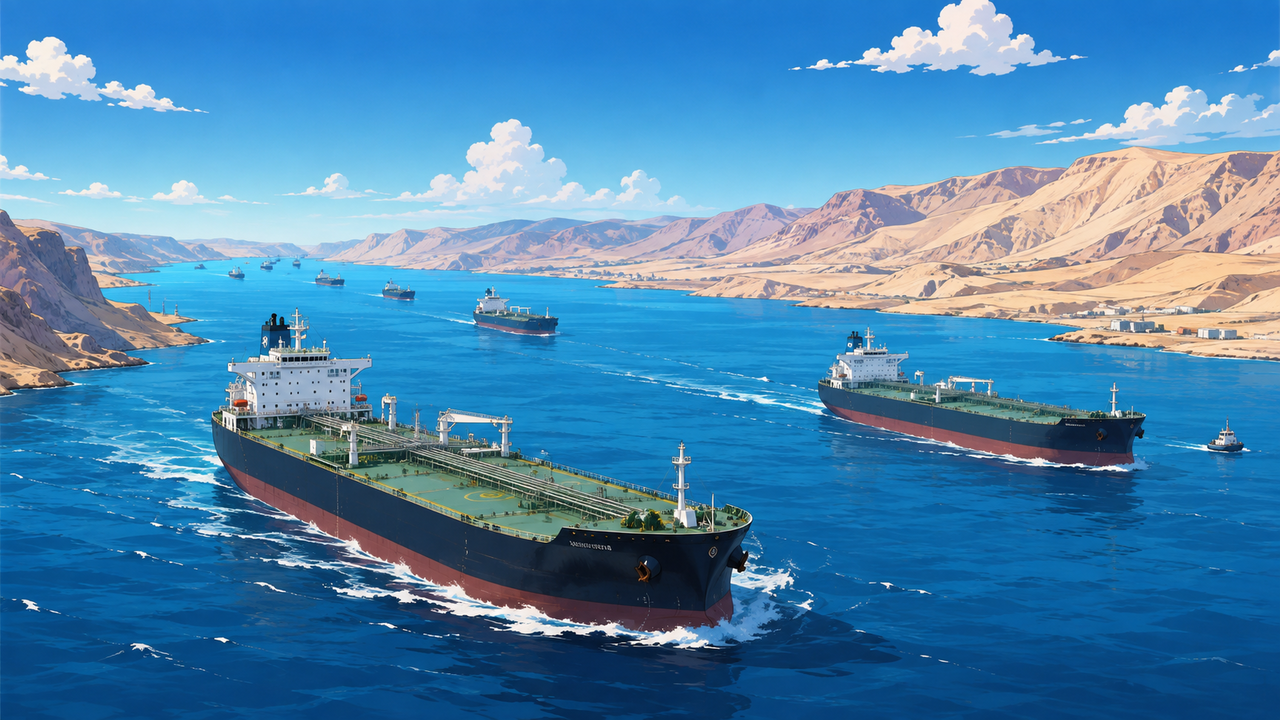
"Crude oil and petroleum liquids transported through the Strait of Hormuz in the second quarter of 2026 are estimated to have averaged 4.9 million barrels per day," the EIA said, "down from an average of 21.6 million barrels per day in the fourth quarter of last year."
The agency said the drop in crude shipments to the region was feeding through to production. "Most crude oil production in the region will return to levels close to pre-war averages, but a disruption of about 600,000 barrels per day will persist through the end of next year," it added.
The EIA had earlier projected that global crude production would recover to pre-war levels by at least the first quarter of next year. Renewed attacks in the Strait of Hormuz and a deadlock in US-Iran negotiations over reopening the waterway appear to have pushed that recovery estimate back further.
Global crude inventories have plunged by 69 million barrels as of this month, falling below 7.9 billion barrels for the first time since April last year, according to the EIA.
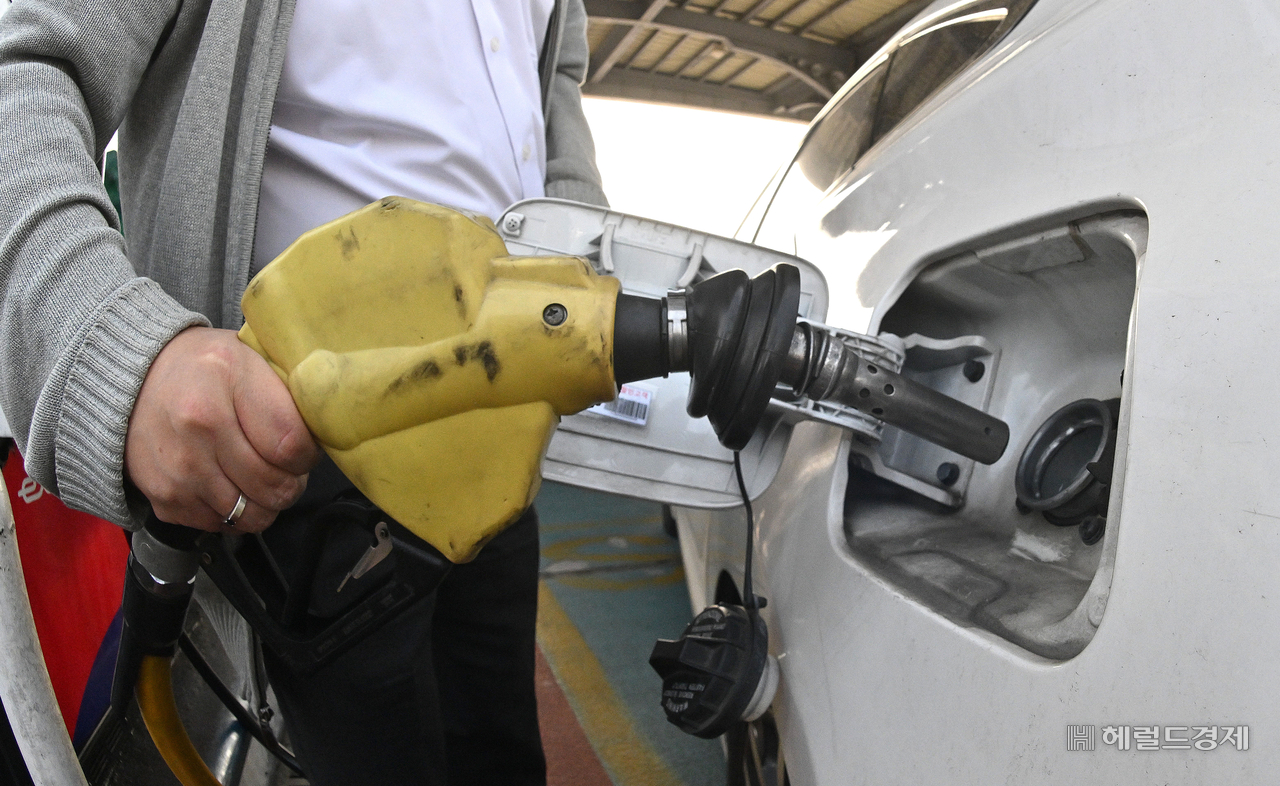
Industry watchers expect the windfall for South Korean refiners to continue for now as Middle East instability persists. The prevailing view is that refining margins, which have surged on global petroleum product supply shortfalls, will hold through the second half of the year.
Jeon Woo-je, a researcher at KB Securities, said refining margins have already surpassed second-quarter levels, reaching $50 per barrel, as a second blockade of the Strait of Hormuz compounds an already tight refined-product inventory. "We saw refining margins rebound even when the blockade was lifted in June," he said.
He added that "refined product shortages are more severe than expected, and even if the blockade is lifted, it should be recognized that output recovery will not be smooth for at least two months given maritime shipping lead times."
The point is that even if the Strait of Hormuz blockade were lifted immediately, the supply crunch would not ease quickly given how long the Middle East war has dragged on.
Singapore's complex refining margin averaged $24.7 per barrel in the second quarter, well above the industry's breakeven threshold of $4 to $5 per barrel. Refining margin — the difference between the price of petroleum products and the cost of crude oil — is the key profitability gauge for refiners.
Lee Chung-jae, a researcher at Korea Investment & Securities, said US petroleum inventories are expected to fall to their lowest level since 1990, while Gulf region oilfields have suffered production disruptions for more than five months. "Even if the Iran war ends, production disruptions at Gulf oilfields will not be resolved, making a prolonged period of high oil prices likely," he said.
Meanwhile, the four major South Korean refiners — SK Innovation, GS Caltex, S-Oil and HD Hyundai Oilbank — posted a combined operating profit of 14.79 trillion won ($10.5 billion) in the first half of this year alone, as the Middle East war widened key product margins and added crude import timing gains. That marks a dramatic turnaround from a combined operating loss of 1.14 trillion won last year.

klee@heraldcorp.com