My stock money has evaporated and now I can't pay the apartment deposit. What do I do?
As the stock market has tumbled and volatility has surged in recent weeks, a growing number of buyers in the new apartment pre-sale market are failing to make their down payments. In the first half of this year, the share of Seoul homebuyers who planned to fund purchases by selling stocks or bonds climbed as high as 30 percent, raising concerns that equity market swings are having an increasingly direct impact on real housing demand.
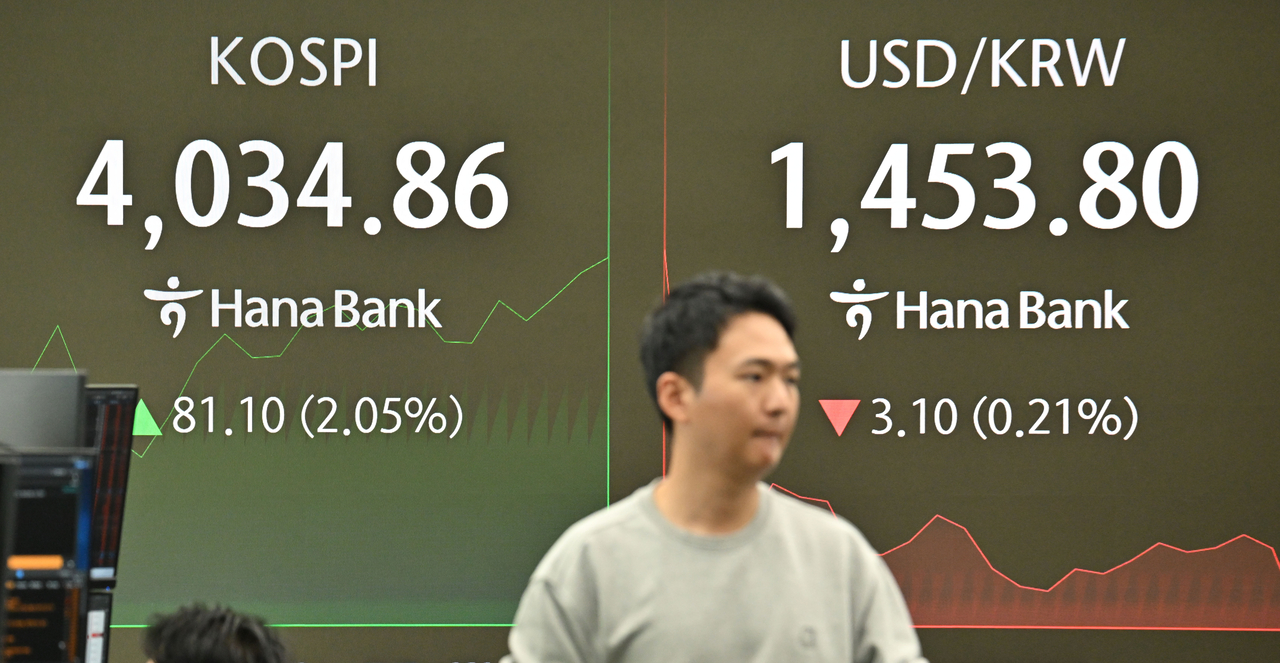
According to the pre-sale market, some newly built apartment complexes currently in the general pre-sale contracting phase have seen buyers cancel contracts after failing to pay their deposits. The number of people who had planned to fund their deposits by liquidating stock holdings surged, only to find their plans derailed by the Kospi's sharp swings.
Person A, who won a general pre-sale lottery for a newly built Seoul apartment last month, said domestic stocks in which they had invested had tumbled sharply. "If I miss the deposit deadline, interest accrues by the day, and I'm worried I won't be able to recover the funds in time," A said.
General pre-sale winners are required to pay a deposit equal to 10 percent of the pre-sale price after signing a contract; missing the deadline triggers daily late-payment interest from the following day. One industry official said there had been a wide variety of cases, including instances where even reserve winners had their contracts canceled because they could not immediately transfer as little as 10 million won ($7,050).
Investor deposit balances in the stock market had surged to 110 trillion won as of June, reflecting a heavy concentration of funds in equities. In tandem, the share of Seoul homebuyers tapping proceeds from stock and bond sales to finance purchases also rose.

An analysis of first-half Seoul housing fund disclosure plans obtained through the office of People Power Party lawmaker Lee Jong-wook shows that the share of buyers across Seoul's 25 autonomous districts who listed stock and bond sales as their financing source was limited to 22 percent in January, 24 percent in February and 21 percent in March.
The figure jumped to 27 percent in April as the Kospi began to rise, then hit 31 percent in May — the first time this year it had exceeded 30 percent.
The share held at 26 percent in June, even as the Kospi posted an all-time high of 9,114.55 and recorded growth of around 116 percent on the back of semiconductor strength. Across the full first half, stock and bond sales were cited in 15,968 of the 61,425 fund disclosure plans filed, accounting for 26 percent of the total.
With the so-called "money move" — the flow of equity funds into real estate — now well established, analysts warn that a sharp Kospi downturn could have an outsized impact on the housing market.
Jung Jae-hoon, an assistant professor in the Department of Urban Planning and Real Estate at Dankook University, said it is common for capital to shift from stocks into real estate when equity markets are performing well. "Sudden volatility in capital markets is now translating into financing disruptions for some genuine end-user buyers," he said.
hss@heraldcorp.com