International tourism hub to draw on 800 years of Korea-Vietnam exchange history
Tourism development around Changpyeong Reservoir, rental smart farms planned through 2030
Goseong shipbuilding and marine industry zone budget expanded to 1.37 trillion won
A new international tourism hub rooted in the history of Korea-Vietnam exchange will be established in Bonghwa-gun, North Gyeongsang Province. The county will invest a total of 347.6 billion won ($243 million) through 2030 to pursue eight specialized projects spanning tourism development and smart farming.
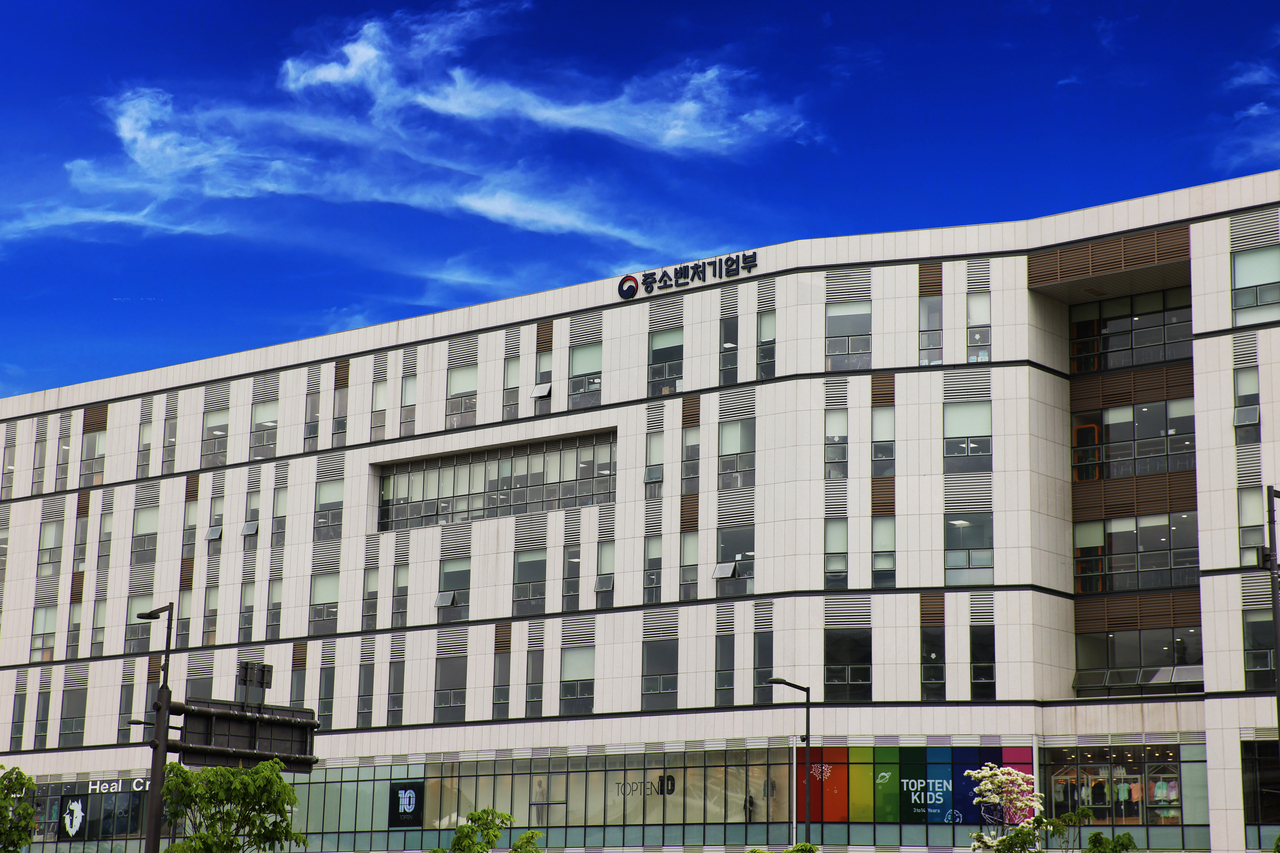
The Ministry of SMEs and Startups said Thursday it held the 60th Regional Specialized Development Zone Committee meeting and designated the "Bonghwa K-Vietnam Valley Zone" as a new special zone.
The regional specialized development zone system allows local governments to selectively apply up to 130 regulatory exemptions under the Regional Special Zone Act to pursue projects suited to their local characteristics. Introduced in 2004, the system now covers 171 special zones across 135 cities, counties and districts nationwide as of this month. The committee's decisions will take effect after official designation and dedesignation notices are issued later this month.
The Bonghwa K-Vietnam Valley Zone draws on 800 years of Korea-Vietnam exchange history, centered on Lee Yong-sang, a prince of Vietnam's Ly dynasty who settled in Bonghwa during the Goryeo period, and the Hwasan Lee clan village that traces its roots to him. The project aims to combine history, culture and leisure to attract tourists and long-stay visitors, laying the groundwork for local economic growth.
Building on the zone designation, Bonghwa-gun will pursue eight specialized projects from 2026 through 2030, including the K-Vietnam Valley development, tourism development around Changpyeong Reservoir, rental smart farms and a Baekdudaegan healing pet village.
Ten regulatory exemptions covering the Immigration Control Act, the National Land Planning and Utilization Act and the Housing Act will be applied to ease institutional constraints on foreign workers' residency, land use and housing supply.
Noh Yong-seok, first vice minister of SMEs and Startups, said the Bonghwa K-Vietnam Valley Zone represents "a new attempt to connect the unique historical resource of 800 years of Korea-Vietnam exchange to cultural tourism and local economic revitalization." He added that the ministry would support project implementation and strengthen performance-focused management to help regional specialized development zones become genuine engines of local growth.
The committee also approved changes to the plan for the Goseong Shipbuilding and Marine Industry Zone in South Gyeongsang Province. Reflecting changes in project conditions — including operator changes in some districts and the resumption of construction — the zone's designation period was extended by three years to 2028.
The total project budget rose 425.3 billion won, from 945.3 billion won to 1.37 trillion won, reflecting updated investment plans for the Naesan and Yangchon-Yongjeong districts. Four regulatory exemptions with no planned future use will be lifted.
Four existing special zones where specialized projects have been completed or operating conditions have changed will have their designations revoked. They are the Busanjin-gu Seomyeon Footwear Industry Growth Hub Zone, the Incheon Seo-gu Foreign Language Education Zone, the Jeongnanjin Jangheung Traditional Market, Medicinal Herb and Hanwoo Zone, and the Gumi Global Education Zone. The local governments overseeing these zones plan to continue necessary projects through their own initiatives or by linking them to relevant policies after the designations are lifted.
hong@heraldcorp.com