
Pocheon's education policy showing measurable results
High school enrollment rate rose from 80% in 2023 to 91% in 2025
Four-year university enrollment climbed from 49.1% in 2024 to 53.7% in 2025
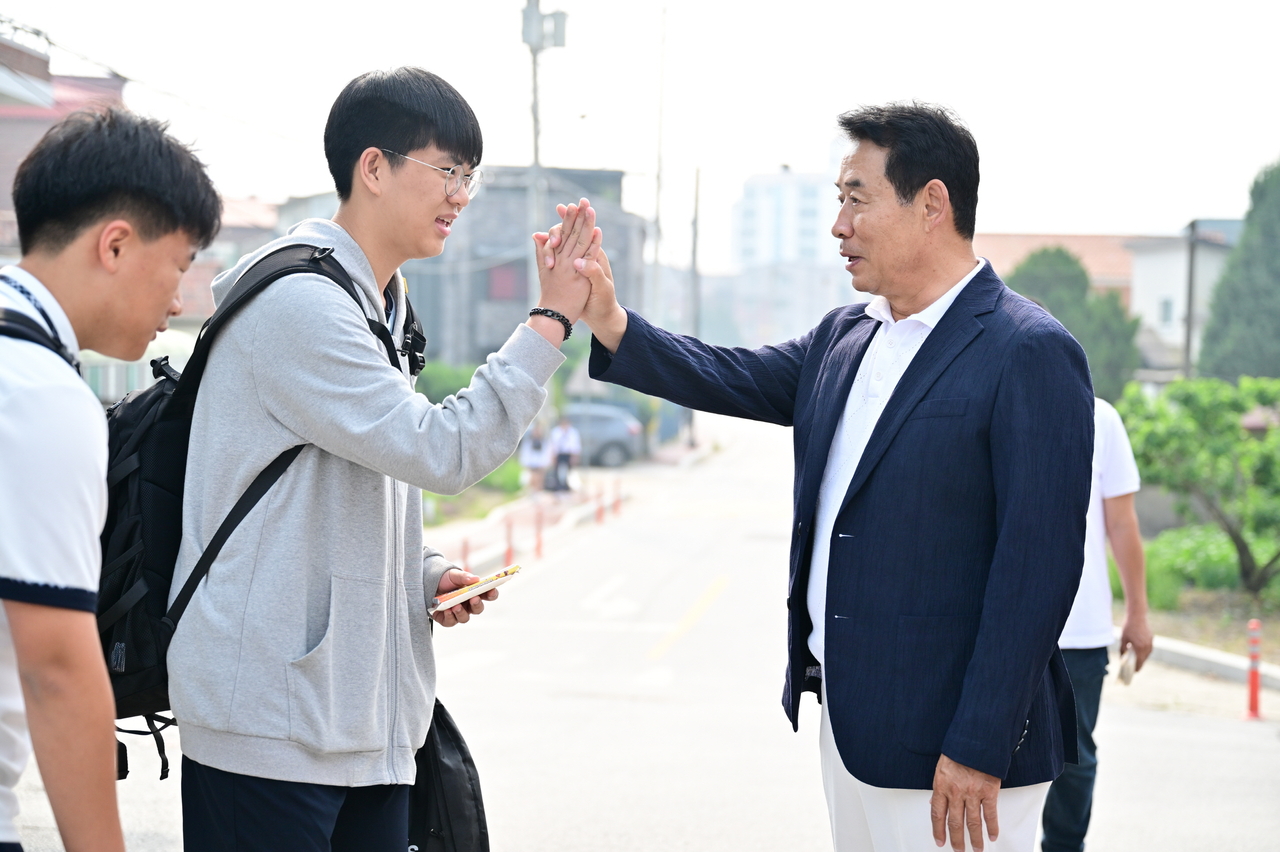
Pocheon City is making tangible progress with its homegrown education policy, pushing past structural constraints that have long challenged the region. Despite a wide residential catchment area, a declining student population and a rising share of multicultural students, the city has consistently expanded tailored education support since being designated a pilot zone under the national Education Development Special District program — and is now widely credited with strengthening the area's educational competitiveness. Building on these results, the city plans to further develop its locally adapted education ecosystem and pursue designation as an Education Innovation Leading Region.
The city's education policy is designed to ensure children can receive a quality education where they were born and raised, grow up in their home community and ultimately choose to stay. The broader goal is to improve settlement conditions and put Pocheon on a path toward sustainable urban development.
A cornerstone of that effort is Pocheon Aebom 365, a district-wide all-day care program that has become a flagship initiative for closing care gaps and easing the child-rearing burden on parents. The program has broadened the foundation of educational welfare by drawing the wider community into shared responsibility for children's development.
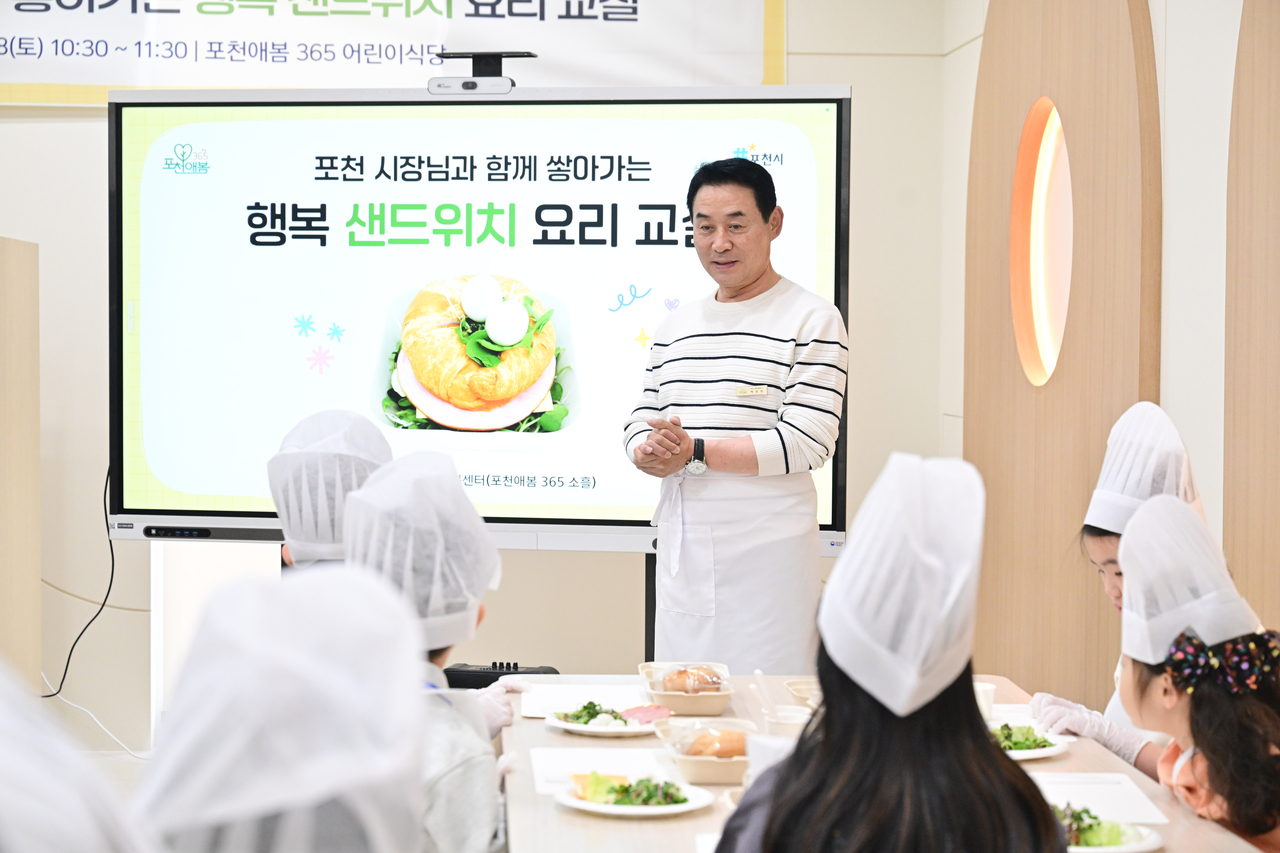
The education and culture complex known as Dureondureun is also delivering notable results. Dureondureun Soheul, which opened last year, has established itself as an education and care platform serving all generations — from children to adults. Beyond offering life-centered services such as emergency childcare, hospital accompaniment for sick children and a children's cafeteria, the facility also provides a community space where any resident can read or relax, bringing education, care and community functions together under one roof.
The city has also strengthened commuting support to improve equal access to education. It operates Powori, a smart safety shuttle exclusively for elementary school students; Pocheon Bus, an integrated transport service for middle and high school students; and EduTaxi, which serves students in areas with limited public transit. In June, the city expanded Powori's service area, improving the school commute environment and meaningfully raising educational accessibility.
Public self-directed learning infrastructure has also expanded significantly. Pocheon's self-directed learning centers are a core initiative aimed at reinforcing learning support tied to public education and reducing dependence on private tutoring. In 2025, the city became the first in the country to open an EBS self-directed learning center, and has since built a network of nine centers — the largest of any city nationwide — so students can access learning support close to where they live. The initiative lowers education costs for parents while giving students the environment they need to develop independent study habits.
The results show up in the numbers. The rate of students from Pocheon enrolling in local high schools rose from 80 percent in 2023 to 91 percent in 2025. The four-year university enrollment rate climbed from 49.1 percent in 2024 to 53.7 percent in 2025. The city also recorded a 2.1 percent reduction in private tutoring expenditure, surpassing its 1.5 percent target and providing statistical evidence of the policy's effectiveness.
The city plans to continue operating its public learning support infrastructure, including the self-directed learning centers, on a stable basis, and to more tightly integrate care, commuting and college and career guidance services as it refines its locally tailored education ecosystem. The aim is to further strengthen the foundation that allows students and parents in Pocheon to experience the benefits of quality education firsthand.
Pocheon is also pursuing designation as an Education Innovation Leading Region under a Ministry of Education program scheduled for the second half of this year. The designation targets areas where local governments, education offices and communities collaborate to build a high-quality local education ecosystem. Selected regions can receive 2 billion won ($1.4 million) per year for up to five years, totaling up to 10 billion won. The city is preparing its application together with the Pocheon Office of Education as it looks to extend the reach of its education reform efforts.
"Education is an investment in children's future and the core foundation for Pocheon's sustainable growth," Mayor Baek Young-hyun said. "We will work to build an even stronger educational environment that residents can feel in their daily lives, and do our utmost to secure the Education Innovation Leading Region designation."
pjh@heraldcorp.com




