![People eating Han River ramyun. [Getty Images Bank]](https://wimg.heraldcorp.com/news/cms/2026/07/28/news-p.v1.20260728.8ec3ee355c4745e19dfd68e9a4843bb0_P1.jpg)
South Korea should adopt a "package export" strategy that bundles K-food products such as ramyun and frozen foods with cooking machinery and food-tech, a new analysis has found.
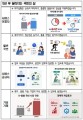
The Korea Rural Economic Institute (KREI) laid out a new export model incorporating food technology in its recently published report, "Responding to Food Market Challenges from Demographic Change (Year 2)," aimed at addressing labor shortages in the food industry driven by population decline and aging.
The institute recommended building processed-food clusters centered on export companies to develop talent and raise productivity, while also pursuing a strategy of exporting food products alongside machinery and equipment. Bundling ramyun with Han River ramyun cooking machines, cooking robots, 3D food printers and food cartridges for export would allow South Korea to develop both its K-food and food-tech industries at the same time, the report said.
The report said the food industry is expected to continue growing but warned that labor shortages are likely to worsen as the working-age population shrinks, calling for broader adoption of automation, smart factories and food-tech.
To that end, it proposed expanding the rollout of smart factories, driving AI-based manufacturing innovation, developing pilot programs and standard process models for food robots, and spreading smart technology across the restaurant industry. The report added that South Korea needs to train specialists capable of working with new technologies and build workforce-matching platforms to strengthen the industry's overall competitiveness.
"Labor shortages are likely to persist even as the food industry continues to grow," the institute said. "We must raise productivity through automation and food technology, and strengthen competitiveness through a new export strategy that combines food with machinery and equipment."
adastra@heraldcorp.com