
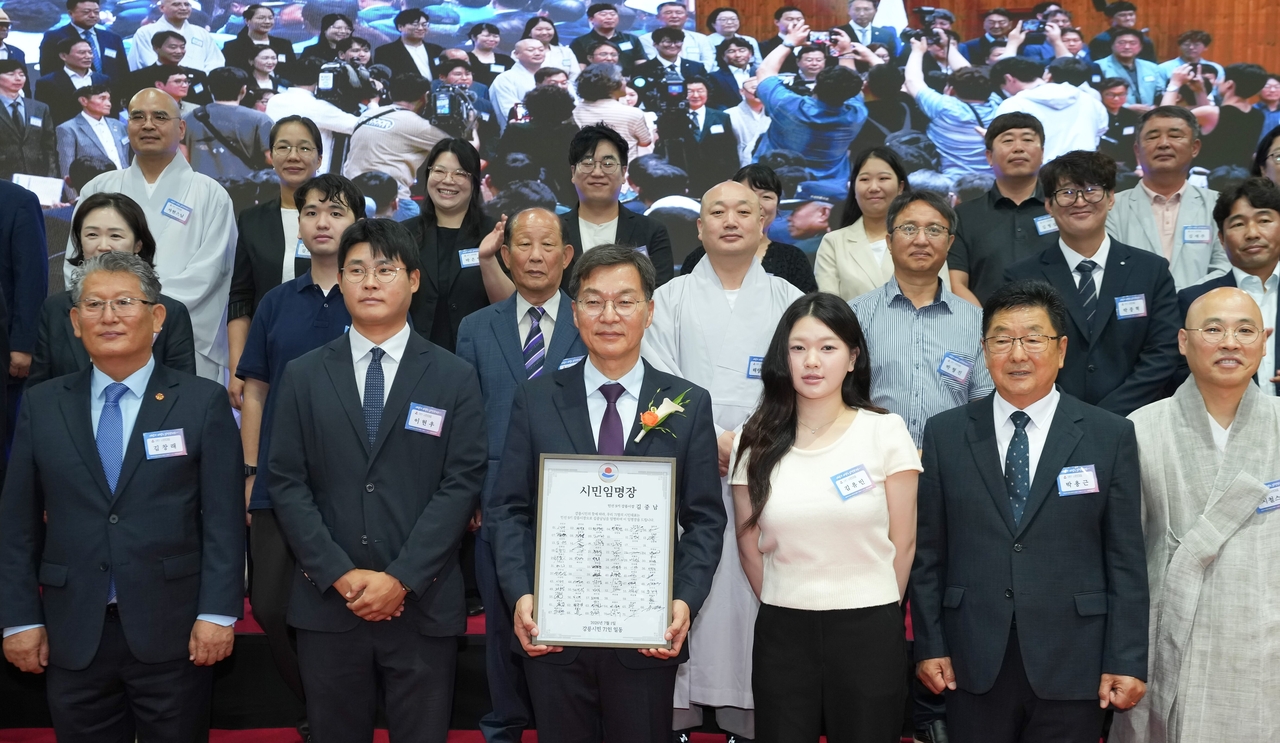
Kim Jung-nam, who became Gangneung's first reform-minded mayor in the ninth term of elected local government since the system was introduced, launched a direct citizen-communication initiative Wednesday, starting from Okgye, the city's southernmost district.
Okgye has long been among the city's most neglected areas — development has been slowest there, parts of the district have been newly placed under development restrictions, and news of unwanted facilities has arrived more often than development plans. Residents once hung banners and staged collective protests in resistance. Some have lamented that they voted for the wrong city in a past referendum on which municipality — Gangneung or Donghae — they wished to join.
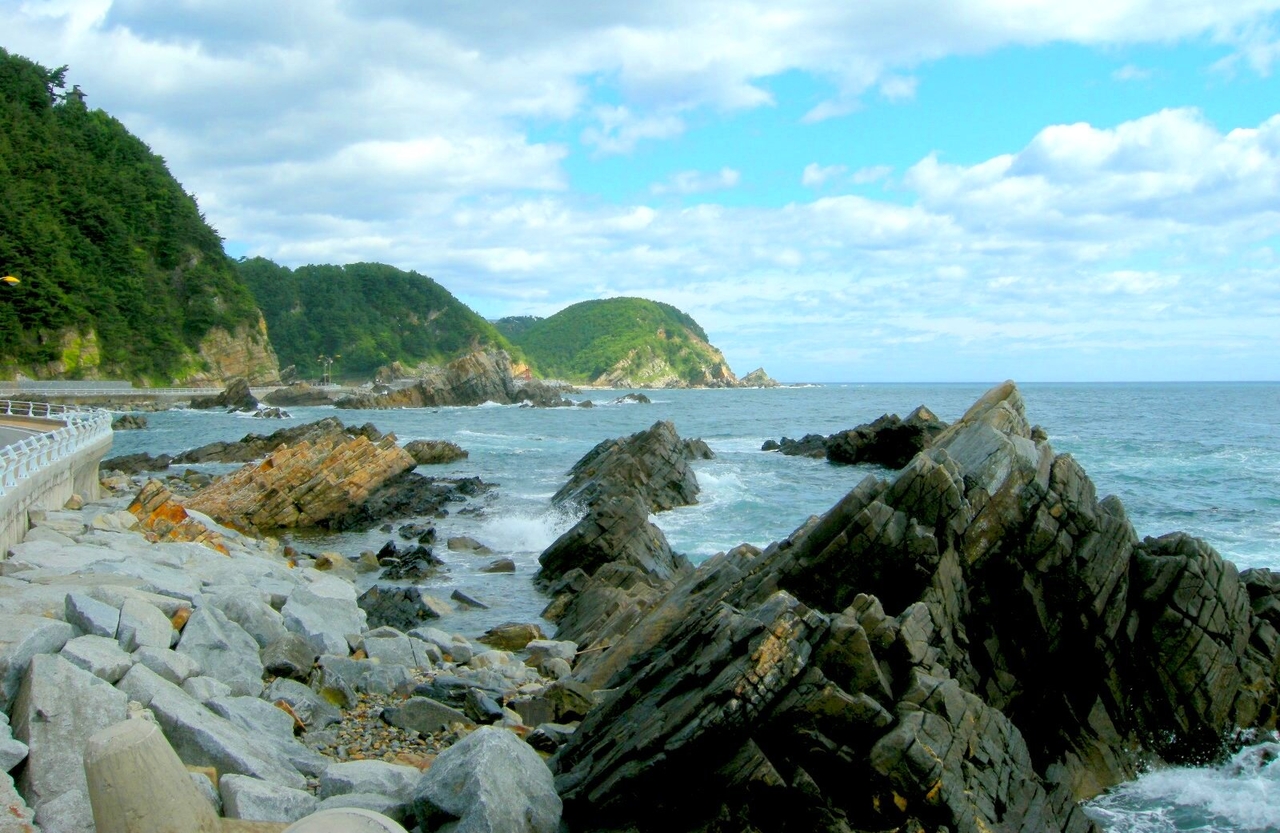
Okgye Beach was once a genuine rival to Mangsang in Donghae, drawing comparable crowds more than four decades ago. Today it has fallen so far behind that the comparison barely holds.
Visitors to Okgye Beach in recent years have often come away with the same impression: a place with real potential that somehow feels abandoned.
Few communities anywhere in the country have seen as little change or improvement over the past four decades as Okgye.
Just to the south of Okgye lies the urban core of Mukho and Mangsang. To the north, a scattering of declining fishing villages such as Jeongdongjin and Aninjin dot the coastline before the road finally reaches central Gangneung.
Okgye is far from alone. Decades of city administration focused on the urban core — drawing resources inward like a black hole — have left many outlying communities feeling sidelined.
Mayor Kim has named the citizen-engagement process "A Future We Change Together, a Town Hall Meeting for Everyone's Happiness." Attention is now on whether he can genuinely address the deep-seated grievances of residents in Wangsan, Sacheon and Okgye.
The mayor's stated aim is to hear a wide range of views directly from residents and translate them into tangible changes in city administration that citizens can feel in their daily lives.
The town hall tour begins in Okgye on Wednesday and will travel northward through all 21 townships, towns and neighborhoods, concluding in Jumunjin-eup on Aug. 7.
Having held his ninth-term inauguration ceremony in Jumunjin-eup, Kim now opens his citizen dialogue series in the southern district of Okgye-myeon, signaling an intent to pursue balanced, city-wide communication.
To foster open, horizontal dialogue, seating has been arranged in a circular layout and participants were recruited through a public call for applicants.

The sessions are structured not as one-way complaint forums but as problem-solving discussions in which residents and the mayor work together toward solutions.
Citizens are free to raise anything from everyday inconveniences to local issues and policy proposals, with Mayor Kim responding on the spot and explaining the direction of city administration — a two-way exchange rather than a formal briefing.
After each session, the city plans to promptly review the suggestions and proposals raised by residents, share them with relevant departments and systematically track follow-up progress.
The intent goes beyond simply listening: the city aims to strengthen the administration's ability to act, so that residents can see real change in their daily lives.
In addition, Gangneung is operating a walk-in citizen feedback channel called "Deureumteo" to reach residents who cannot attend the town hall events.
Alongside the mayor's direct visits to each district, the walk-in channel gives any resident the chance to sit down with the mayor at any time. Deureumteo operates every Tuesday and Thursday in front of the civil affairs office on the first floor of City Hall, with no advance reservation required — anyone may stop by and share views or suggestions on city administration.
"I believe the ninth term of elected city government must begin with genuine communication with citizens," Kim said. "I want these town hall meetings to be more than a venue for listening — I want them to be a space where we find answers together." He added that he would pursue citizen-centered governance by seeking solutions on the ground and acting swiftly, so that every resident's voice is reflected in city policy and the resulting changes are felt in people's lives.
abc@heraldcorp.com




