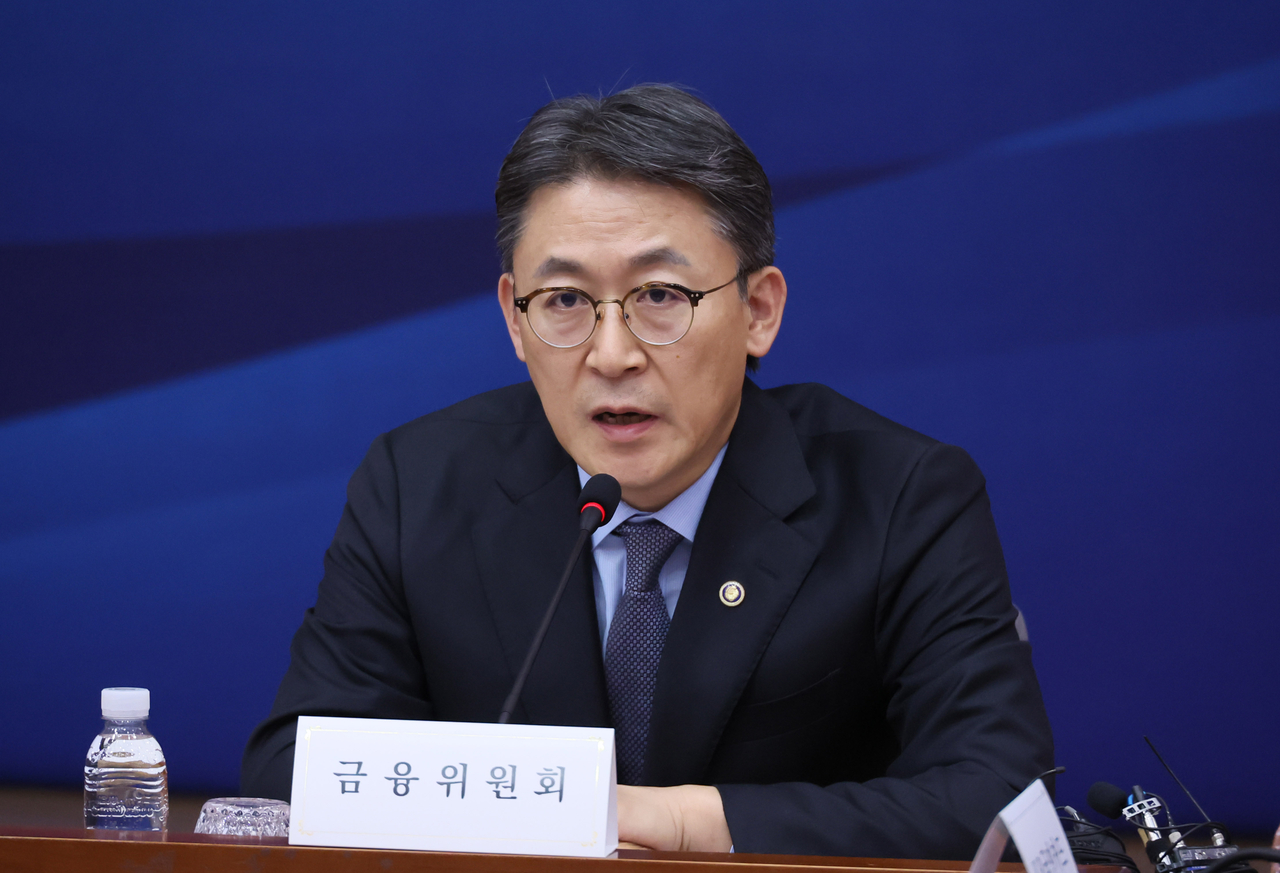
Financial Services Commission Vice Chairman Kwon Dae-young on Monday rebuffed criticism that the government's debt restructuring program for long-term delinquent borrowers amounts to populism, saying he sees the matter differently from those who have labeled it "populism" or "government-directed finance."
Appearing on Cheong Wa Dae's online policy YouTube channel "Fact Mill" that morning, Kwon said the program involves thoroughly reviewing the assets and repayment capacity of borrowers burdened by long-standing debt incurred through unavoidable circumstances, and resolving those debts rather than leaving them unaddressed.
On moral hazard concerns raised by some critics, Kwon said the people the government is trying to help represent only a very small fraction of borrowers, and that linking this to the broader financial system would be an exaggeration. "Turning a blind eye to a small minority and losing trust in the financial system — and a healthy community — is a far more serious problem," he said.
He added that most advanced countries also provide protection and rehabilitation support for delinquent debtors.
Kwon said the government would void any debt restructuring agreement if hidden assets were later discovered, vowing to block preferential treatment at the source.
President Lee Jae Myung, at a Financial Services Commission policy briefing on Wednesday, said financial institutions — not debtors — were the ones acting with moral hazard by managing long-term delinquent borrowers harshly. "Financial institutions factor in a certain number of defaults when setting their costs and collecting interest," Lee said. "Writing off the debt is not a loss for them."
hyuk@heraldcorp.com