Samsung Biologics has agreed to acquire a leading global peptide contract development and manufacturing organization in a deal worth approximately 2.7 trillion won ($1.81 billion), or 1.46 billion Swiss francs — the largest merger and acquisition in the history of Korea's pharmaceutical and biotech industry.
The move marks a decisive push into the peptide drug market, where demand has surged as the compounds serve as key ingredients in obesity and diabetes treatments that have swept the global pharmaceutical industry.
Through the acquisition, Samsung Biologics aims to diversify a business portfolio heavily concentrated in antibody drugs while securing the long-term growth engines it needs to compete across next-generation biopharmaceutical modalities.
Record 2.7 trillion won deal targets 100% stake by end of December
Samsung Biologics announced Monday that it had signed an acquisition agreement for PolyPeptide Group, a Switzerland-based peptide CDMO specialist. The total deal value of approximately 2.7 trillion won (1.46 billion Swiss francs) is unprecedented in the Korean biotech industry. Samsung Biologics plans to acquire a 100% stake in PolyPeptide Group through a combination of controlling-shareholder share purchases and a tender offer, with all procedures set to be completed by the end of December.
PolyPeptide Group was spun off in 1996 from the peptide production division of global pharmaceutical company Ferring and is headquartered in Baar, Switzerland. The veteran company has accumulated more than 1,000 development and manufacturing projects in the peptide therapeutics field and is recognized as an industry leader in process development for new peptide drug candidates.
The company also holds proprietary eco-friendly manufacturing technology that dramatically reduces the use of organic solvents — liquid raw materials essential to peptide production — delivering the dual benefit of lower raw material costs and reduced waste output.
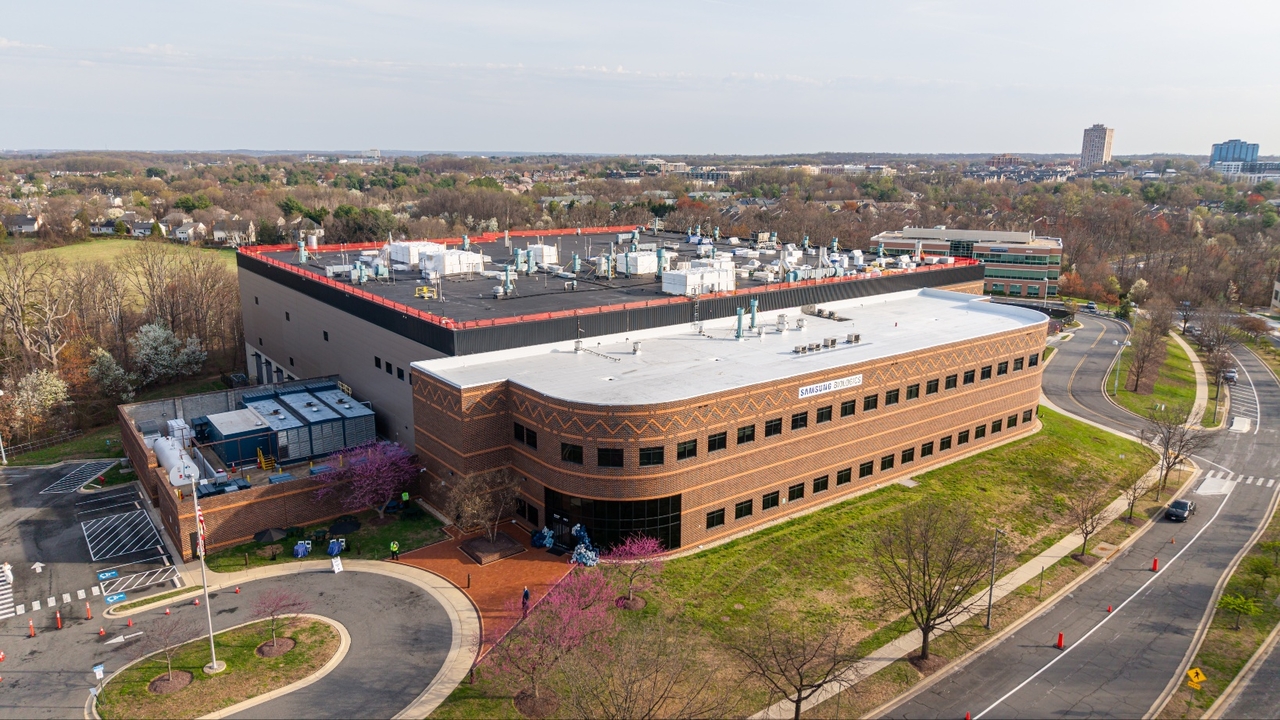
Three-pillar expansion accelerates: portfolio, global footprint and capacity grow at once
The deal caps Samsung Biologics' long-running three-pillar expansion strategy, which targets simultaneous growth in production capacity, business portfolio and global presence.
On the portfolio front, the acquisition marks a significant leap in diversification. Samsung Biologics secured mRNA production capabilities in 2021, then last year launched a dedicated antibody-drug conjugate production facility and its Samsung Organoid service, consistently broadening its modality coverage. Adding peptides — currently the fastest-growing segment in the industry — completes a next-generation drug manufacturing platform that few rivals can match.
The deal also substantially expands Samsung Biologics' global footprint. On top of its existing facility in Rockville, the company gains six key production sites and research and development centers across five countries — Malmö, Sweden; Braine, Belgium; Torrance and San Diego in the United States; Strasbourg, France; and Ambernath, India — along with a workforce of more than 1,500 skilled specialists. The expanded network is expected to maximize geographic proximity to global pharmaceutical majors and provide a flexible buffer against supply chain risk.
Production capacity also grows substantially. Samsung Biologics currently operates five plants at its Songdo campus with a combined 785,000 liters of capacity and a Rockville facility with 60,000 liters, giving it total antibody drug production capacity of 845,000 liters — the largest in the world. The company plans to build three additional plants at a second bio campus by 2032, raising total capacity to 1.385 million liters. The addition of large-scale dedicated peptide GMP manufacturing capability further cements its position as an all-encompassing mega-CDMO.
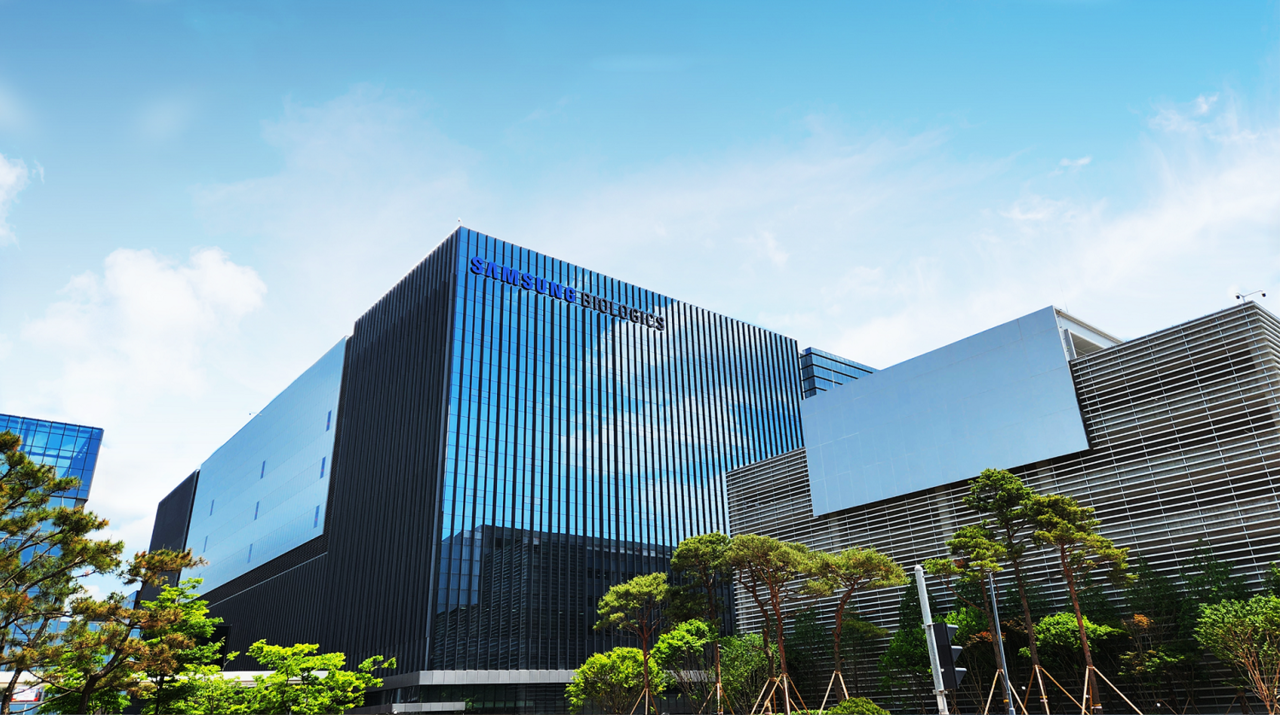
Exploding demand for obesity and diabetes drugs fuels deal rationale
Peptide drugs are compounds made up of roughly two to 50 amino acids — the basic building blocks of proteins — and work by mimicking the body's own hormones to treat disease. GLP-1 receptor agonists, the class of obesity and diabetes treatments that have faced global supply shortages, are the most prominent example. More than 170 peptide drugs are currently in clinical trials worldwide, more than 80 have reached commercialization, and their approved indications are rapidly expanding from metabolic diseases to oncology and neurological conditions such as Alzheimer's disease.
Because the synthesis process is highly complex, between 62 and 64 percent of drug developers outsource peptide manufacturing — a structural dynamic driving explosive growth in the global peptide CDMO market. The market is projected to expand from $5.52 billion this year at a compound annual growth rate of 20.3 percent, reaching $29.14 billion by 2035. The obesity drug market alone is expected to reach as much as $150 billion by 2035.
Samsung Biologics will inherit PolyPeptide Group's existing CDMO contracts, securing a stable revenue base from the moment the acquisition closes. With many global pharmaceutical majors developing both antibody drugs and peptide therapeutics simultaneously, the combined entity also sees wide cross-selling opportunities, pairing Samsung Biologics' GMP quality management capabilities with PolyPeptide Group's peptide expertise.
"This acquisition is a strategic decision that encompasses all three of our growth pillars — production capacity, business portfolio and global presence — and will contribute significantly to enhancing corporate and shareholder value," Samsung Biologics CEO John Rim said. "We will further strengthen our competitiveness in the global CDMO market."
Peter Wilden, chairman of PolyPeptide Group's board of directors, said the combination would enable the company to offer customers differentiated service while securing a firm competitive advantage in the global peptide CDMO market.
silverpaper@heraldcorp.com