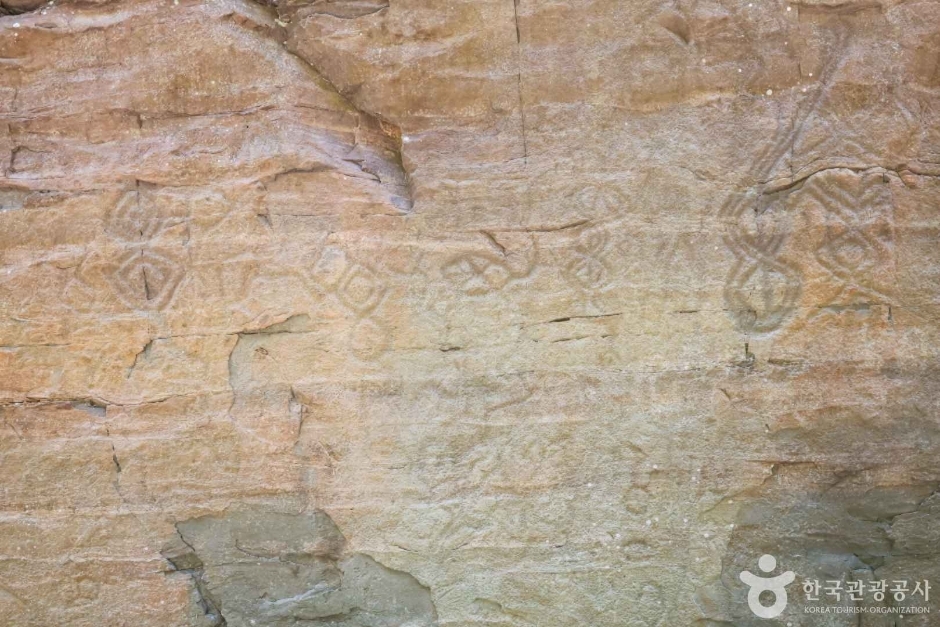
A pan-government cooperation model involving the central government, local authorities and the Korea Water Resources Corporation is being launched to preserve the Bangudae petroglyphs in Ulsan, one year after the site earned UNESCO World Heritage status. The plan centers on keeping the water level of Sayeon Dam permanently below 53 meters above sea level — the point at which the carvings begin to flood. However, preventing the submersion of a cultural treasure while securing drinking water for residents remains an unresolved challenge.

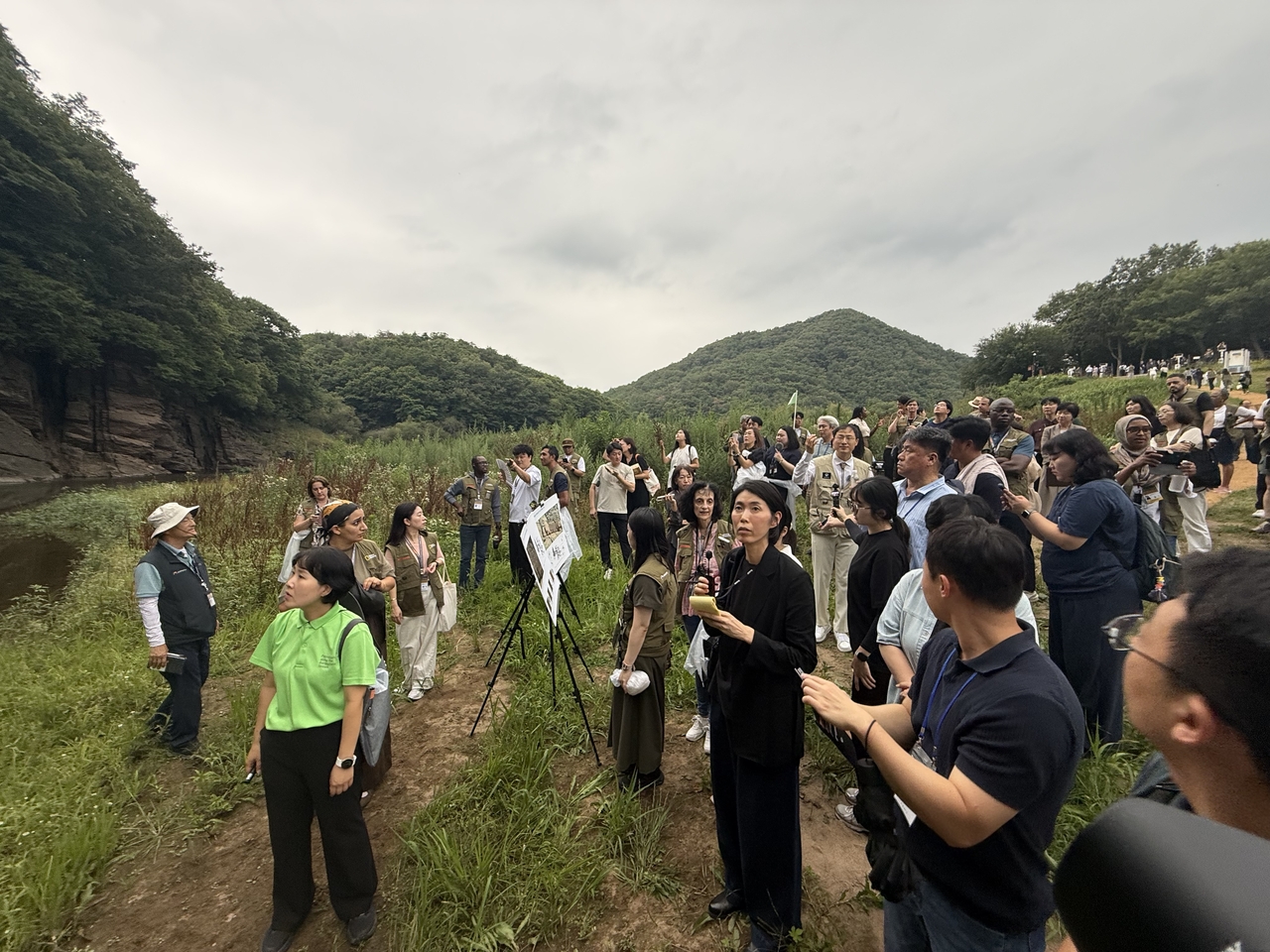
The Cultural Heritage Administration and Ulsan Metropolitan City co-hosted a field visit and briefing on the Bangudae petroglyphs on Friday at the Ulsan Exhibition and Convention Center (UECO). The event was organized in conjunction with the 8th World Heritage Site Managers Forum, running Sunday through July 29 in Busan. About 100 people attended, including Cultural Heritage Administration chief Heo Min, Ulsan Mayor Kim Sang-uk, domestic and international site managers responsible for World Heritage conservation, and representatives from international organizations.
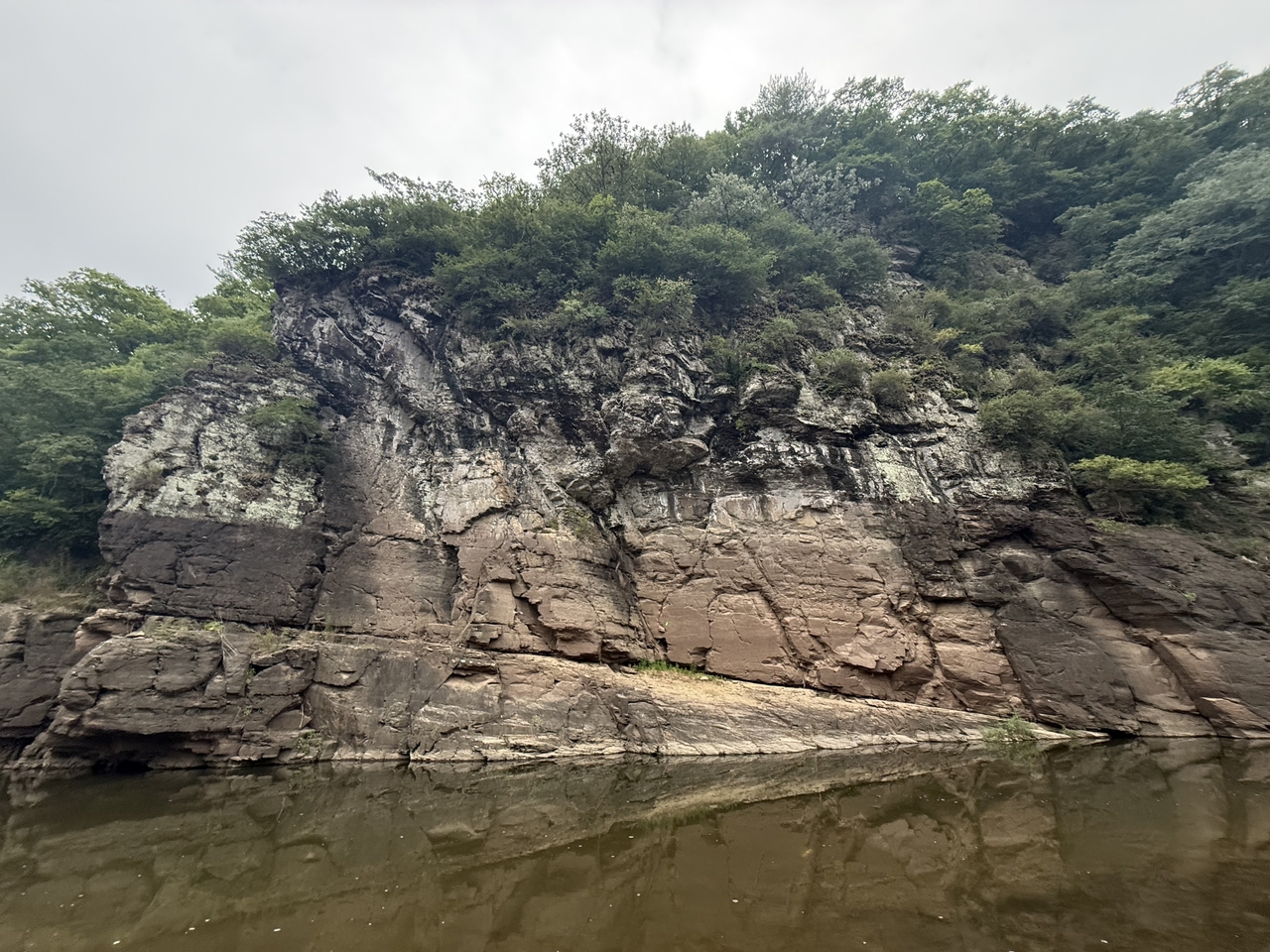
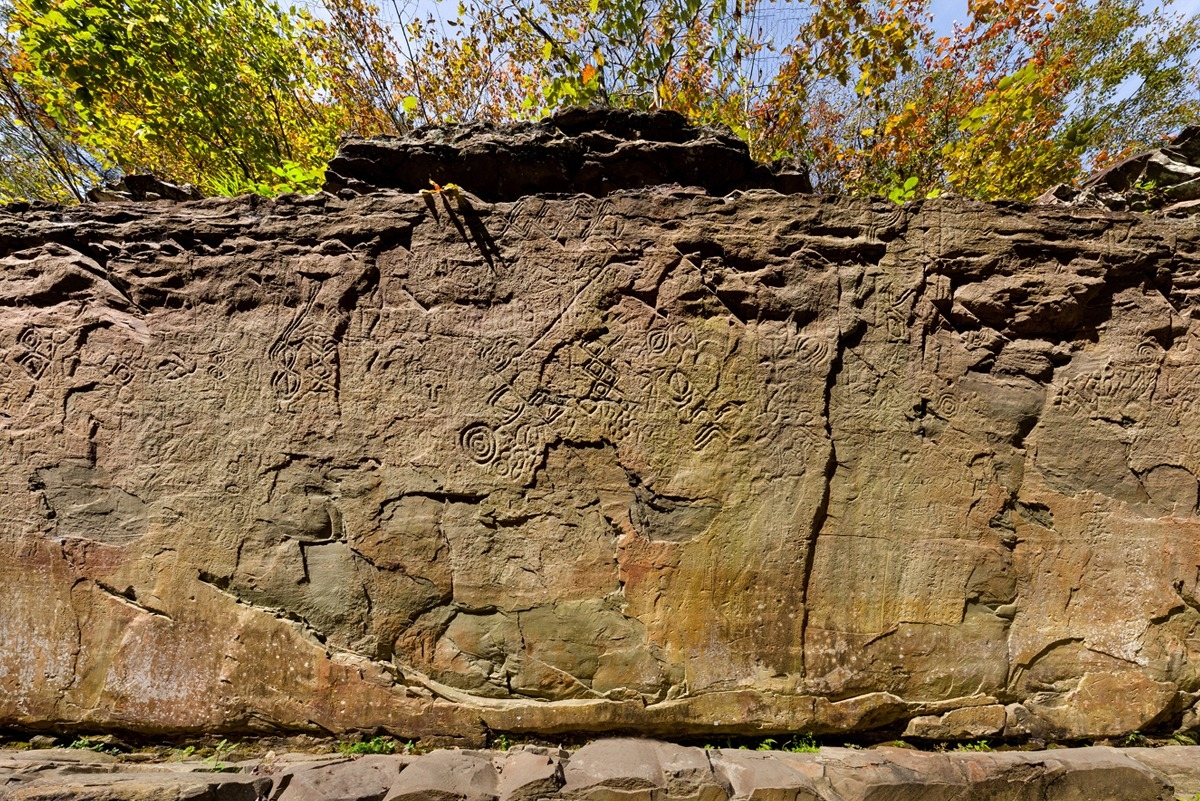
The Bangudae petroglyphs stretch roughly 3 kilometers along the Daegok Stream and encompass two national treasures: the Bangudae Rock Carvings at Daegok-ri and the Inscriptions and Petroglyphs at Cheonjeon-ri, both in Ulju-gun. The site brings together rock art left by people across multiple eras — from 5000 B.C. through the 9th century A.D. — making it a cultural heritage site of global significance.
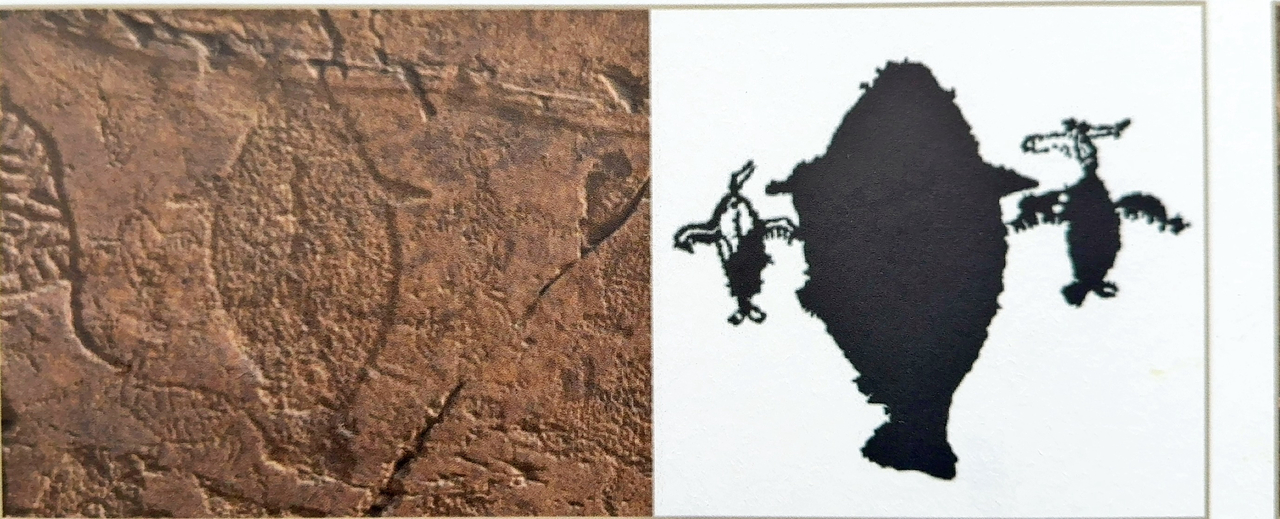
Among the carvings' most celebrated features are detailed, sequential scenes of people hunting and butchering whales from boats using harpoons and floats — a narrative specificity that sets the site apart as a masterpiece among the world's rock art traditions. Recognized for its "outstanding universal value" in demonstrating the artistic achievement and maritime culture of prehistoric peoples, the site was inscribed on the UNESCO World Heritage List on July 12 last year.
Visitor numbers jumped following the UNESCO listing. The Ulsan Petroglyphs Museum recorded 117,372 visitors in the 12 months from July last year through June this year, a 55.6 percent increase from 75,428 in the same period the year before.
Yet the petroglyphs have suffered flooding for decades due to the structural limitations of Sayeon Dam downstream. The carvings sit between 53 and 57 meters above sea level, while Sayeon Dam — completed in 1965 — has no floodgates, allowing its full-capacity water level to reach 60 meters. Once the dam's water level exceeds 53 meters, the lower portion of the petroglyphs begins to submerge.
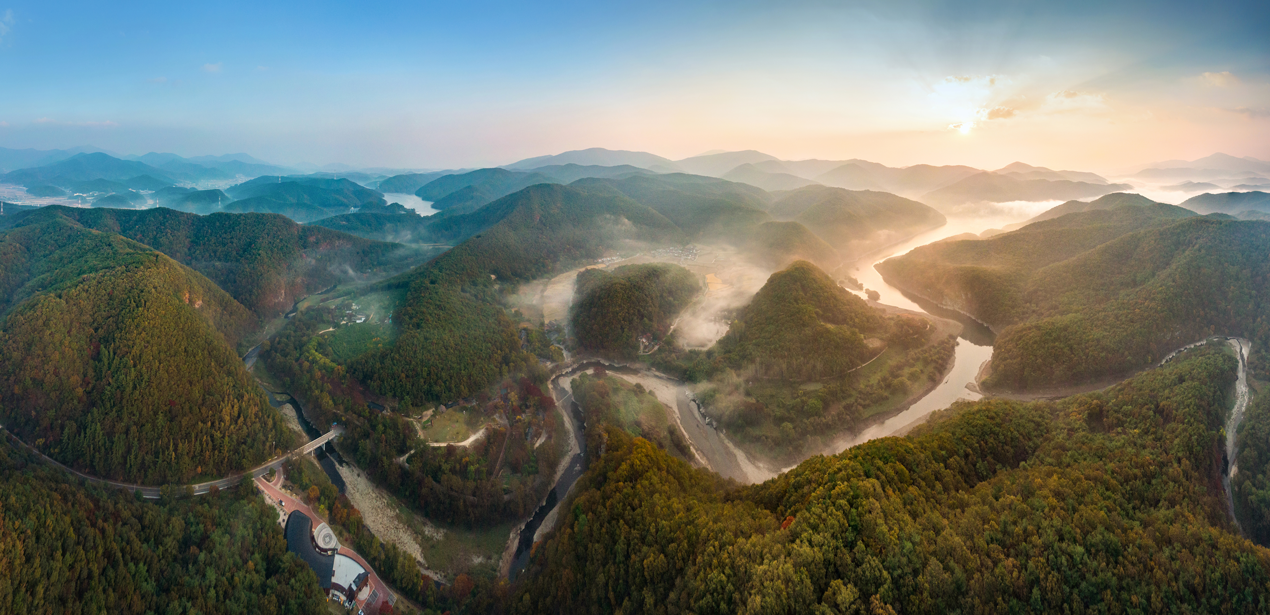
As a result, the petroglyphs have been submerged an average of 33 days per year over the past five years. In 2023, Typhoon Khanun and other weather events kept them underwater for 74 days; last year, heavy rains caused 37 days of submersion. Infrared thermal imaging and other analyses show that roughly 24 percent of the carvings' original surface has been lost, and the weathering index has entered the stage just below the danger threshold — stage five — putting the structural integrity of the rock face at risk. Erosion of cavities in the lower sections, driven by fast-moving currents and floating debris during floods, has also been identified as a serious concern.
Since the petroglyphs were discovered in 1971, various preservation measures have been proposed — including water-blocking walls, ecological embankments and adjustable barriers — but all were rejected over concerns about damaging the historic landscape or due to technical failures. From 2014, authorities temporarily lowered the dam's water level through an intake tower and coordinated operations with the upstream Daegok Dam, cutting the average annual submersion period from 151 days to 38 days between 2013 and 2020. Even so, the site still spent more than a month underwater each year.
In response, the government is pursuing a permanent solution: installing large floodgates on Sayeon Dam. The Ministry of Environment and the Korea Water Resources Corporation plan to invest 80.9 billion won ($54.3 million) to excavate the dam's spillway by about 17 meters and construct three floodgates — each 15 meters wide and 7.3 meters tall — along with new water intake facilities.
Basic and detailed design work is set to be completed this year, with construction scheduled to begin in the second half of 2026 and finish by 2030. Once the floodgates are in place, the dam's normal water level would be held below 48 meters above sea level — beneath the petroglyphs — and the gates could be opened quickly during heavy rainfall, reducing the average annual submersion to one day or less.
Managing the conflicts that come with lowering the dam's water level and ensuring the well-being of local residents remain unresolved challenges. Permanently reducing the water level is expected to cut the dam's storage capacity from 25 million tons to less than half that, decreasing Ulsan's daily water allocation by 49,000 tons. Sayeon Dam currently supplies roughly 40 to 50 percent of Ulsan residents' drinking water, meaning the reduction would directly affect the city's water supply.
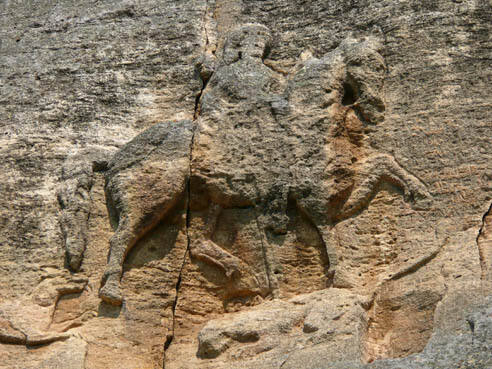
The challenge of preserving outdoor heritage is a global one. Mariela Inkova, regional director for the Boyana Church World Heritage site in Bulgaria, visited the Bangudae site on Friday and said the Madara Rider — another Bulgarian World Heritage site — faces similar threats. "The Madara Rider is carved into a vertical limestone cliff and is suffering erosion from rainwater infiltration," she said. "We are discussing permanent measures such as installing a protective shelter, but we have yet to find an answer."
Some experts said that as extreme rainfall events become more frequent due to climate change, the risk of flooding at the petroglyphs will not disappear entirely even after the floodgates are installed. The government's position, however, is that no perfect solution exists in the face of severe climate change, and that all available options must be pursued together.

"The government's basic position is to install floodgates on Sayeon Dam to regulate the water level and preserve the petroglyphs," Cultural Heritage Administration chief Heo Min said. "The sustainable conservation and management of a World Heritage site can only be maintained when the government, local authorities, communities and other stakeholders communicate and cooperate on the basis of mutual trust."
Ulsan city said it would pursue both securing an alternative water source and preserving the heritage site simultaneously through pan-government cooperation. Aligned with the Cultural Heritage Administration's focus on protecting the Bangudae petroglyphs, the city said it would accelerate efforts to secure a replacement water supply and advance additional conservation measures.
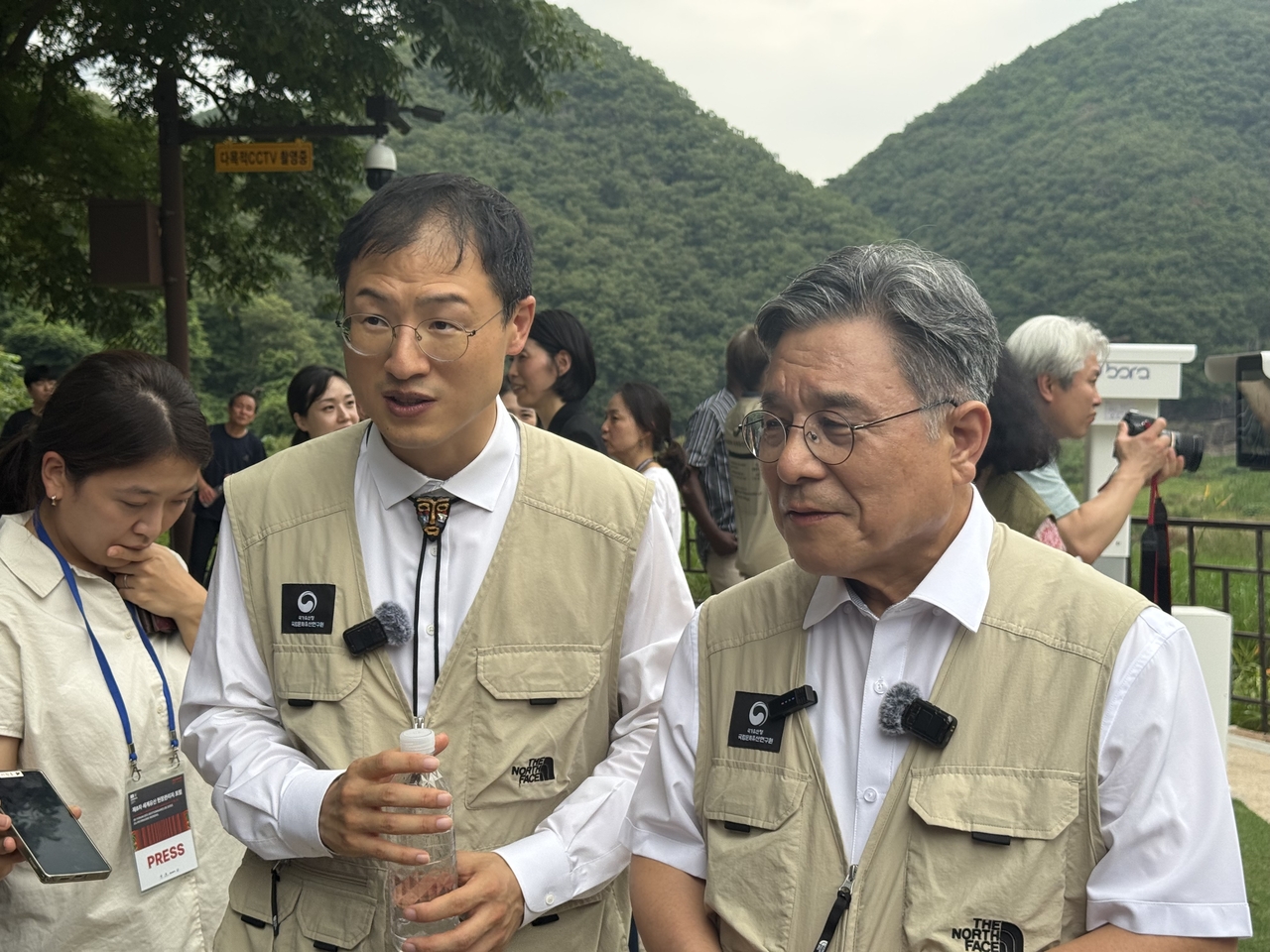
"Preserving our cultural heritage and protecting the daily lives of the people living today must go hand in hand," Ulsan Mayor Kim Sang-uk said. "If Ulsan's drinking water shortage is resolved promptly, additional measures to protect Bangudae can also move forward — so we urgently need the central government's attention and the cooperation of neighboring local governments." He added that while the Cultural Heritage Administration and Ulsan city had been at odds for 25 years, leaving residents anxious, the two sides are now aligned and working together.
terry@heraldcorp.com