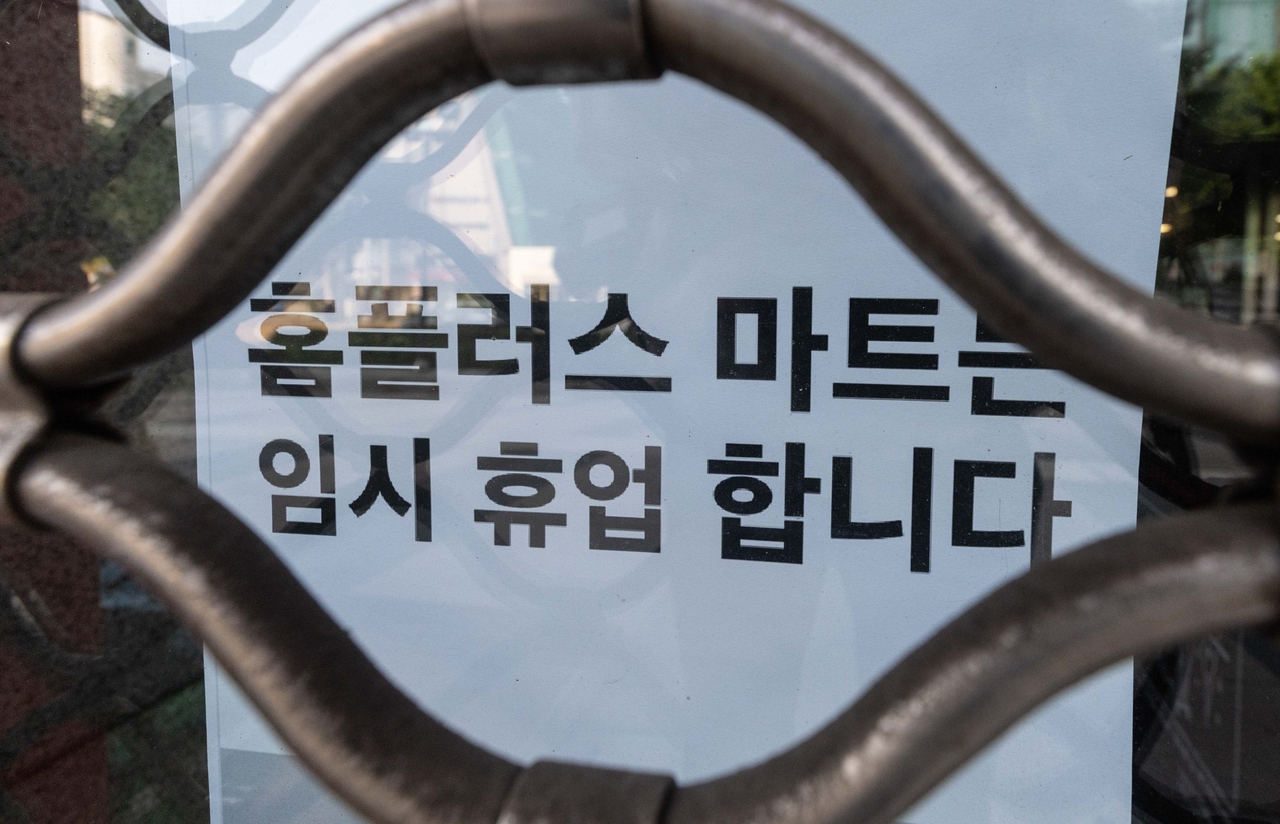
Homeplus's stalled rehabilitation process appears set to restart after its largest shareholder, MBK Partners, and its biggest creditor, Meritz Financial Group, agreed to provide 200 billion won ($134 million) in emergency debtor-in-possession financing.
The deal came only after the Seoul Bankruptcy Court took the drastic step of ordering the termination of Homeplus's rehabilitation proceedings, forcing stakeholders to cobble together a compromise. But market observers say the agreement is little more than an emergency stopgap to prevent Homeplus from sliding immediately into bankruptcy. The real challenge remains: Homeplus, MBK Partners, Meritz Financial Group and other stakeholders must produce a viable rehabilitation plan — one that includes debt restructuring, additional capital injections and business reorganization — before the court's legal deadline of September.
Will the court reverse its own termination order?
According to Homeplus and Meritz Financial Group, the three Meritz affiliates — Meritz Fire & Marine Insurance, Meritz Securities and Meritz Capital — held board meetings Thursday and gave final approval to provide 200 billion won, contingent on a personal guarantee from MBK Partners Chairman Kim Byung-ju.
On the basis of that approval, Homeplus plans to file an immediate appeal against the Seoul Bankruptcy Court's termination order on Monday. The Seoul Bankruptcy Court issued the termination ruling on July 3, citing Homeplus's failure to secure the emergency operating funds needed to carry out its rehabilitation plan. With Homeplus now having raised the 200 billion won the court demanded, the core grounds for the termination decision have effectively been resolved.
In principle, the Seoul High Court, as the superior court, would rule on whether to accept or reject the immediate appeal. However, the Seoul Bankruptcy Court may review and reverse its own earlier decision after receiving the appeal, before transferring the case to the Seoul High Court. The legal procedure by which a court reconsiders and modifies its own ruling is known as "reconsideration on remand."
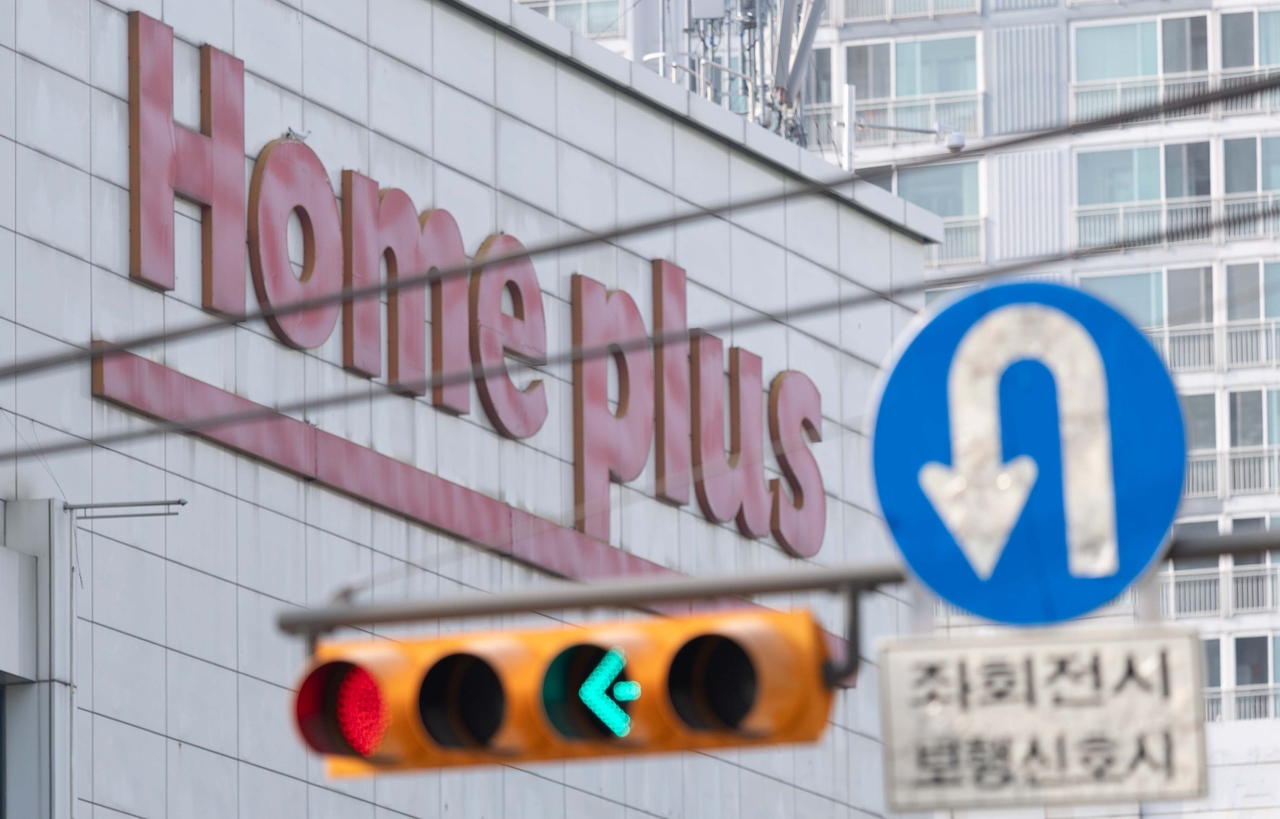
Legal circles believe the Seoul Bankruptcy Court is likely to use the reconsideration procedure to reverse its termination order and allow rehabilitation to continue, given that Homeplus has now met the financing condition the court required.
If the Seoul Bankruptcy Court does not reverse its decision, the case will move to the Seoul High Court. If the Seoul High Court accepts the appeal, rehabilitation proceedings will resume; if it rejects the appeal, the termination order stands. Should the Seoul High Court reject the appeal, Homeplus could escalate the matter to the Supreme Court. However, Supreme Court review is limited to narrow grounds such as violations of the constitution, statutes, orders or regulations. If the immediate appeal is rejected on the basis of a judgment about the feasibility of the rehabilitation plan, overturning that decision at the Supreme Court level would be difficult.
There is also the option of Homeplus filing a fresh rehabilitation application after a termination order becomes final. However, the prevailing view in legal circles is that a court would be unlikely to accept such a refiling unless there were meaningful changes in circumstances — such as a new acquirer emerging or a large injection of additional funds.
200 billion won buys time, not a turnaround
Even if the court reverses the termination order, that would not mean Homeplus has "succeeded" in its rehabilitation. Whether the rehabilitation plan receives court approval must be decided by the legal deadline of Sept. 4.
The 200 billion won from Meritz Financial Group is not investment capital aimed at fundamentally transforming Homeplus's revenue structure or paying down its existing debt on a large scale. Industry observers expect the funds to be quickly depleted once they are used to reopen suspended stores and cover supplier payments and employee wages. Whether Homeplus can rehabilitate, analysts say, depends less on the capital injection itself and more on whether the company can improve its cost structure and transform itself into a business a new acquirer could realistically take on — all within a tight timeframe.
"A large portion of the 200 billion won is likely to be consumed just by reopening shuttered stores and keeping existing ones running," said one investment banking official. "Even if cash flow temporarily normalizes, it is unclear whether that can translate into stable sales."
Analysts say the 200 billion won does not mark the start of a recovery but merely buys time to reassess whether recovery is even possible. The existing rehabilitation plan centers on slimming down the company and selling it to a new investor. A sale-based rehabilitation plan cannot be deemed viable without a buyer coming forward.
Ultimately, observers say, the embers of rehabilitation can only be kept alive if Homeplus, MBK Partners, Meritz Financial Group and other key stakeholders each absorb a share of the losses. Reducing the burden on potential acquirers is a prerequisite for any sale, which means debt restructuring and interest relief by creditors, store closures, and workforce and organizational streamlining must all proceed simultaneously.
"MBK Partners needs to shoulder additional funding as the controlling shareholder, Meritz Financial Group needs to adjust its interest rates and bond terms, and Homeplus itself needs to restructure its costs and staffing — everyone has to give something up," said another investment banking official.
There are also darker assessments that restructuring alone will not be enough to attract a buyer, given the fundamental shift in the retail industry's landscape. Investors are unlikely to step forward, the argument goes, as long as doubts about the growth potential of offline-focused hypermarket businesses remain unresolved.
"The retail industry's paradigm has already shifted to online, and it is questionable whether Homeplus can overhaul its business model," said one private equity fund official. "Defensive restructuring that merely cuts stores and headcount is unlikely to demonstrate long-term growth potential."
park.jiyeong@heraldcorp.com