
Joint study by National Institute of Forest Science and Chung-Ang University confirms restored insulin response
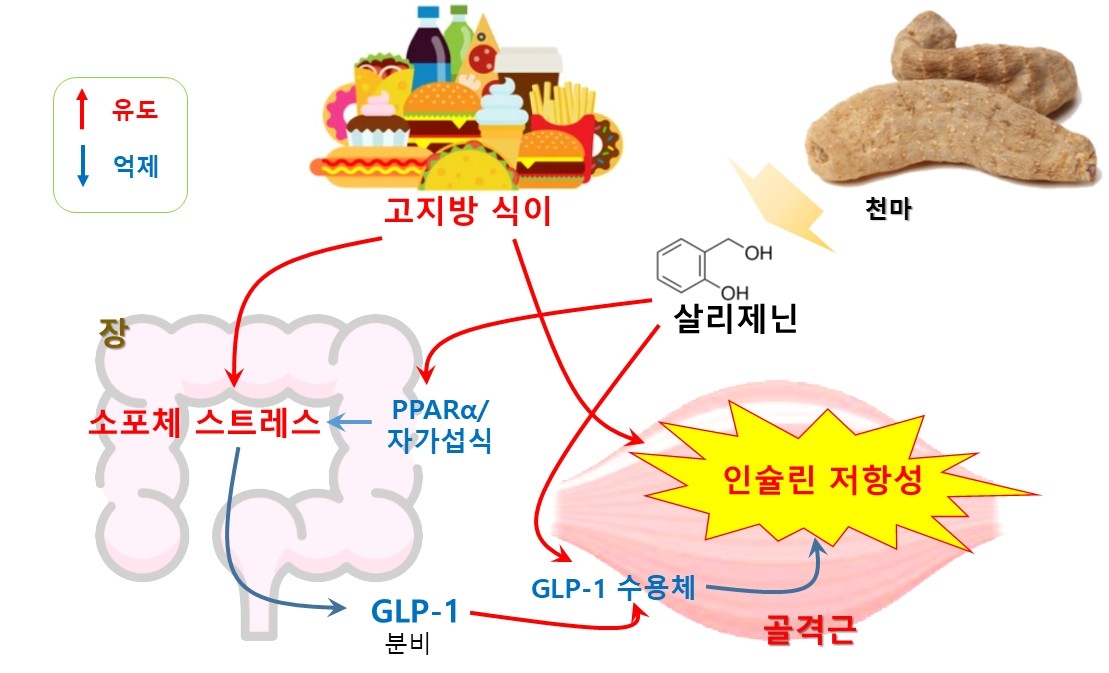
Saligenin, a natural compound found in the gastrodia orchid (Gastrodia elata), can improve insulin resistance caused by obesity and help prevent diabetes, according to new research.
A joint research team from the National Institute of Forest Science and Chung-Ang University announced Wednesday that cell experiments simulating an obese environment showed excess fat damages intestinal cells and reduces secretion of GLP-1, a key hormone that regulates blood sugar.
When the team administered saligenin — the orchid's primary active compound — to those cells, stress in the damaged intestinal cells decreased and autophagy, the process by which cells clear out waste, became more active, allowing GLP-1 secretion to recover.
The team also found, in what it described as a world first, that secretions from saligenin-treated intestinal cells, when introduced into muscle cells, raised the muscle cells' insulin sensitivity and significantly increased their glucose uptake.
The findings were published in Tissue & Cell, an international peer-reviewed journal in the field of cell biology.
Weight gain commonly triggers insulin resistance — a condition in which the body's cells respond poorly to insulin — which in turn carries a high risk of developing type 2 diabetes.
The research scientifically demonstrates gastrodia's potential to prevent diabetes and shows that saligenin can contribute to restoring gut health and regulating blood sugar. However, the team said further research is needed to confirm whether the same effects occur in the human body.
"This study is significant because it clearly explains how gastrodia, a forest resource, can help prevent metabolic diseases such as obesity and diabetes that threaten public health," said Lee Gyeong-tae, a researcher at the National Institute of Forest Science's Forest Microbiology Utilization Research Division. "We will pursue further validation through animal studies and other means, with the goal of having saligenin recognized as a material for functional foods or pharmaceuticals and transferring the related technology to industry for rapid commercialization."
kwonhl@heraldcorp.com




