Korea Customs Service reports clear rise in drug offenses among minors; authorities to tighten border controls across traveler, international mail and express cargo channels
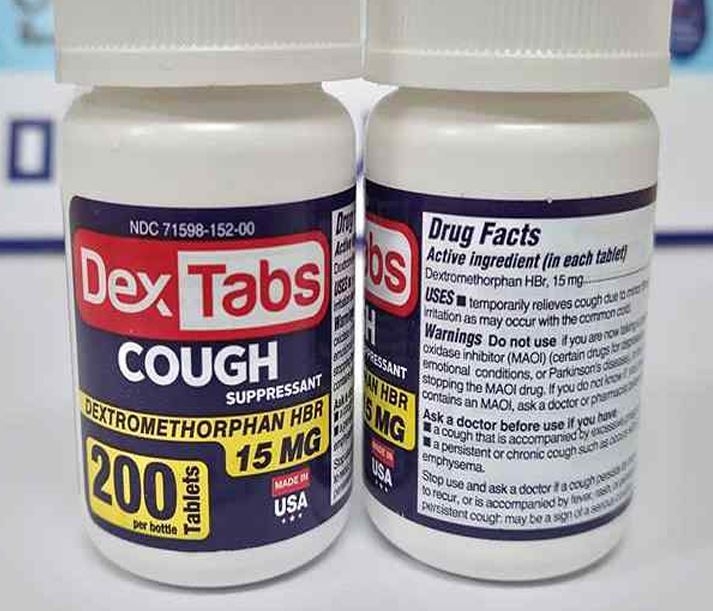
Authorities have warned that cold medicines containing narcotic ingredients can seriously harm the health of teenagers when misused or abused.
The Korea Customs Service said Thursday that narcotic substances found in common over-the-counter medicines — including dihydrocodeine and dextromethorphan — pose a particular risk to minors who may not fully understand the dangers, and urged teenagers to avoid misusing cold medicine.
Abusing such medicines to achieve hallucinogenic or other abnormal effects can cause serious harm to adolescents' health and development, the agency warned, and those found to have taken narcotic substances face criminal punishment.
Earlier this year, customs officials intercepted 400 tablets of cold medicine containing dextromethorphan during an inspection of international mail from the Netherlands. A controlled delivery operation subsequently led to the arrest of a teenager who had received the package.
Cases involving teenagers referred to prosecutors by the Korea Customs Service on charges of smuggling medicines containing narcotic substances — whether ordered through overseas retail websites or obtained through illicit deals with foreign sellers — have reached 14 in recent months.
Under the Act on the Management of Narcotics, anyone who imports or exports narcotics or psychotropic substances faces life imprisonment or a prison term of five years or more. The agency stressed that even minors must clearly understand that misguided curiosity about narcotics or reckless abuse can lead to criminal prosecution.
To prevent minors from being exposed to narcotics, the Korea Customs Service said it is stepping up surveillance and inspections across all major smuggling channels, including travelers, international mail and express cargo.
The agency added that it plans to concentrate resources on gathering intelligence and analyzing risk information to block illegal medicines containing narcotic ingredients from entering the country, taking a preemptive and thorough approach starting at the customs border.
"We must prevent teenagers from being exposed to narcotics," Lee Na-ae, head of the Korea Customs Service's International Investigation Division, said. "We will apply stricter standards — launching immediate investigations into repeat importers of medicines containing narcotic substances and those with prior convictions for similar offenses — and will crack down hard on every attempt to bring narcotics into the country, without exception."
kwonhl@heraldcorp.com