
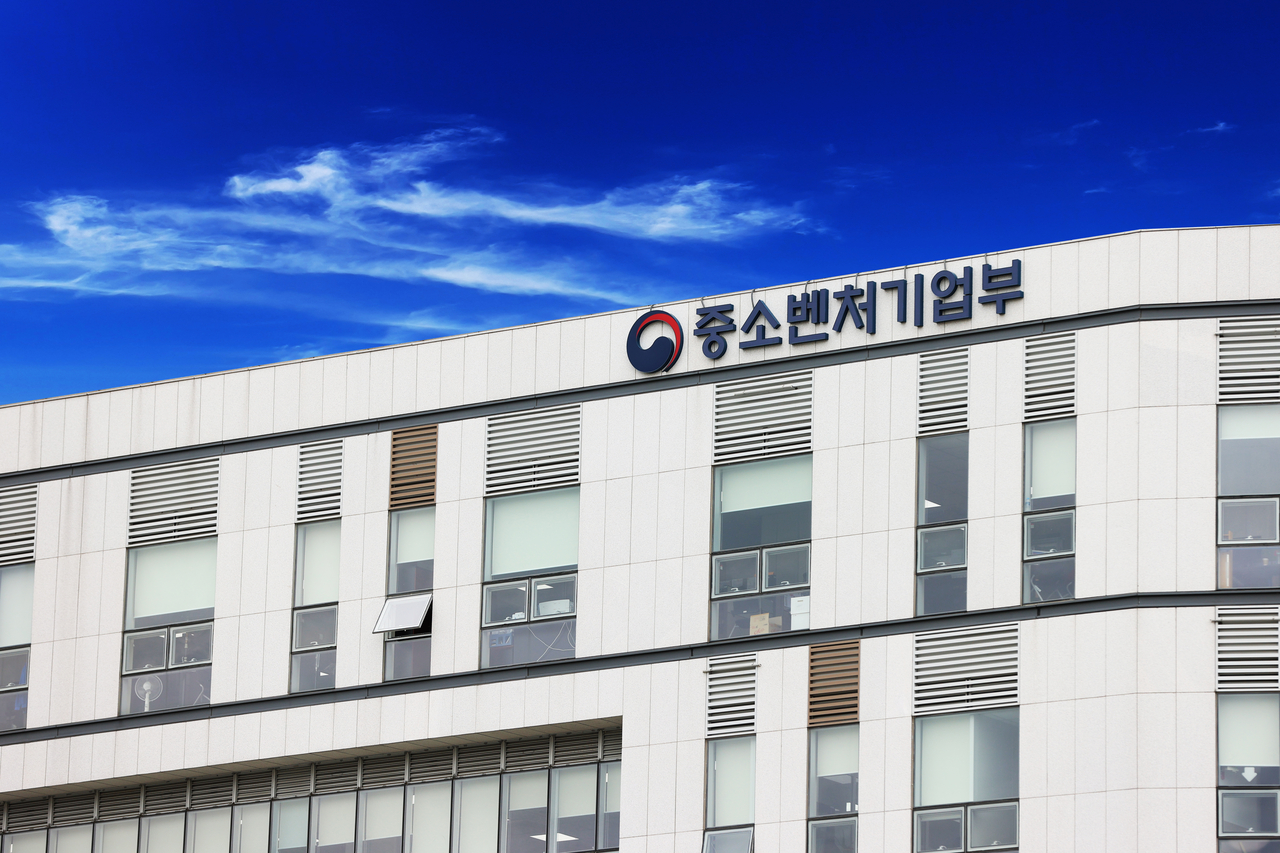
The Ministry of SMEs and Startups is accepting applications for its second round of the 2026 Overseas Standards Certification Acquisition Support Program, which helps small and medium-sized enterprises cover the costs of obtaining foreign certifications required to enter overseas markets.
The application period runs from Wednesday through Aug. 14.
The program subsidizes a portion of expenses — including certification fees, testing costs and consulting — that small and medium-sized enterprises (SMEs) incur when seeking certifications required by export destination countries. Eligible certifications number 572 in total, including the EU's CE marking, the United States' NRTL (which covers UL certification) and China's NMPA. Certifications not on the list of 572 may also be applied for under an "unlisted standards" category.
About 180 companies will be selected in this second round. The program covers 50 to 70 percent of certification costs depending on the applicant's previous year's revenue, with a maximum of 100 million won ($66,400) per company. For the medical device sector, the ceiling rises to 150 million won.
Eligible applicants are SMEs with direct export sales of less than $50 million in the previous year. Companies designated under the Global Hidden Champion 1000+ program may apply even if their export sales exceed $50 million. Each company may submit up to four applications per year, while certifications with a total annual application amount of less than 35 million won are exempt from that limit.
The ministry expects the program to strengthen the export competitiveness of SMEs struggling with overseas certification barriers. With global trade uncertainty growing amid instability in the Middle East and other factors, the ministry plans to ease the financial burden of overseas certification costs and help companies break into new export markets.
As countries tighten environmental, safety and quality standards, overseas certifications have become an essential gateway to exports. EU regulations and certification requirements in the United States and China have grown increasingly stringent, placing a heavy financial burden on SMEs that must pay for testing and audits to obtain the necessary approvals.
"At a time when the export environment has deteriorated due to the war in the Middle East and other factors, we expect this program to reduce the cost burden on SMEs and help them enter new markets," said Shim Jae-yun, the ministry's director general for global growth policy. "We will continue to expand government support so that our companies can respond swiftly to overseas certification requirements and a wide range of other global regulations."
Details on how to apply and what support is available can be found on the website of the SME Export Regulation Response Support Center.
boo@heraldcorp.com




