The "golden hour" for collecting forensic evidence — including a perpetrator's DNA — after a sexual assault is typically within 72 hours.
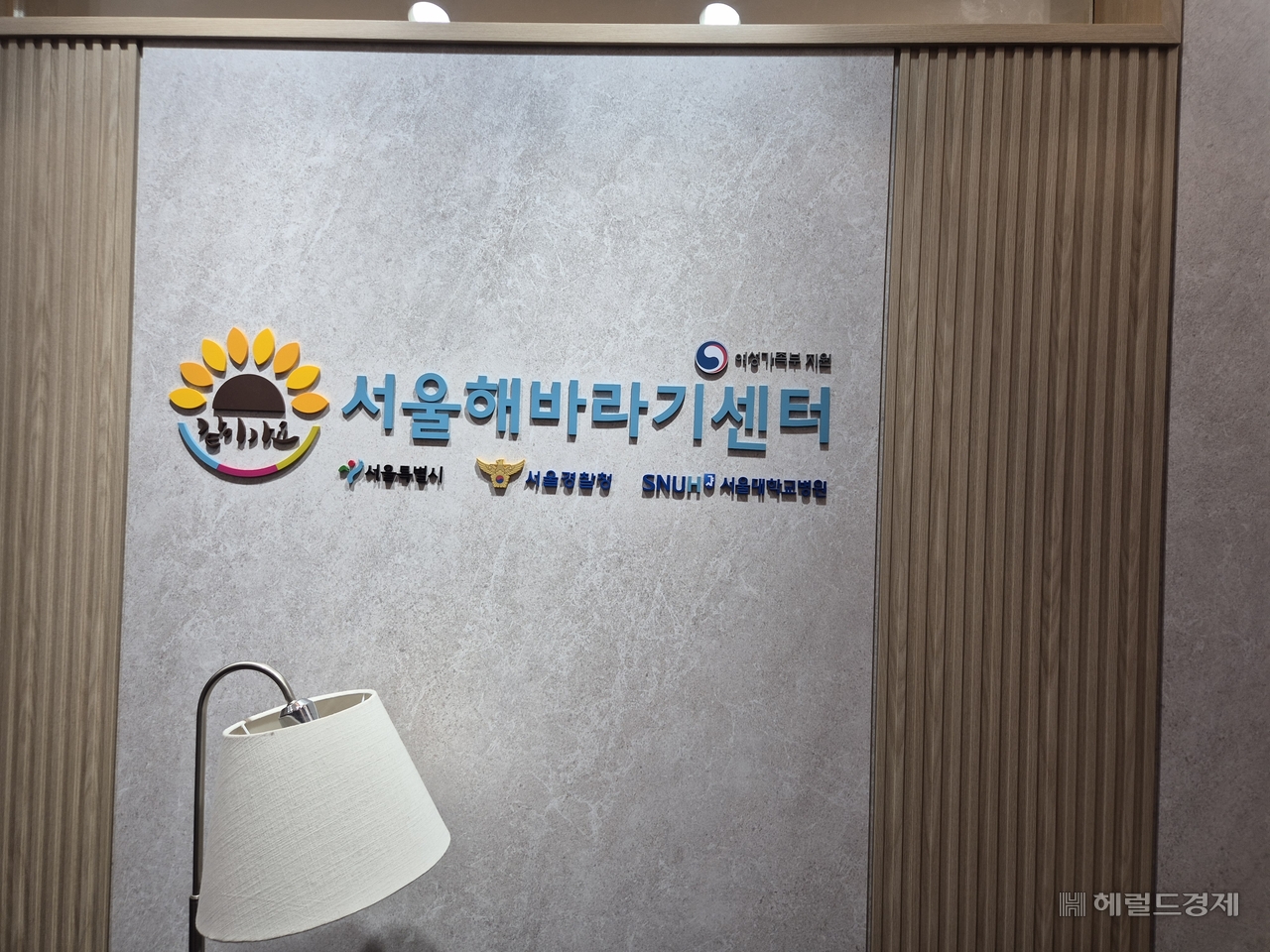
For anyone who has experienced such violence, regardless of gender, age or nationality, there is a place open around the clock where they can receive medical care, investigation support, counseling and psychological treatment all under one roof. That place is the Sunflower Center, which supports survivors of sexual violence, domestic violence, sex trafficking, stalking and dating violence.
The Seoul Sunflower Center held a media open day Friday morning at its main building and annex on Daehak-ro in Jongno-gu, Seoul, announcing that a total of 234,866 people had used the center from February 2011 through the end of May this year. Last year alone, 1,905 survivors received help there.
The center said the emotions survivors most commonly feel when they first arrive are fear and isolation — expressed in thoughts such as "I feel like it's all my fault" and "What if I face retaliation?"
Survivors who feel overwhelmed and alone in the aftermath of an assault can reach the Sunflower Center from anywhere in the country by calling the women's emergency line 1366, the center said.
The Sunflower Center was established in the wake of a 2003 child sexual assault case. Public outrage erupted after it emerged that a 4-year-old girl who had been sexually assaulted spent 35 hours being shuttled between hospitals, police stations and counseling offices without receiving proper treatment.
The child's guardian had discovered the assault while bathing her and sought help at an emergency room and a sexual violence counseling center, only to be told "You need to come with police before we can treat her" and "You should see a gynecologist and a psychiatrist first."
The case exposed the urgent need for an integrated system providing medical, investigative, counseling and psychological support in one place. The Sunflower Center launched the following year, in 2004, and now operates at 41 locations across the country.
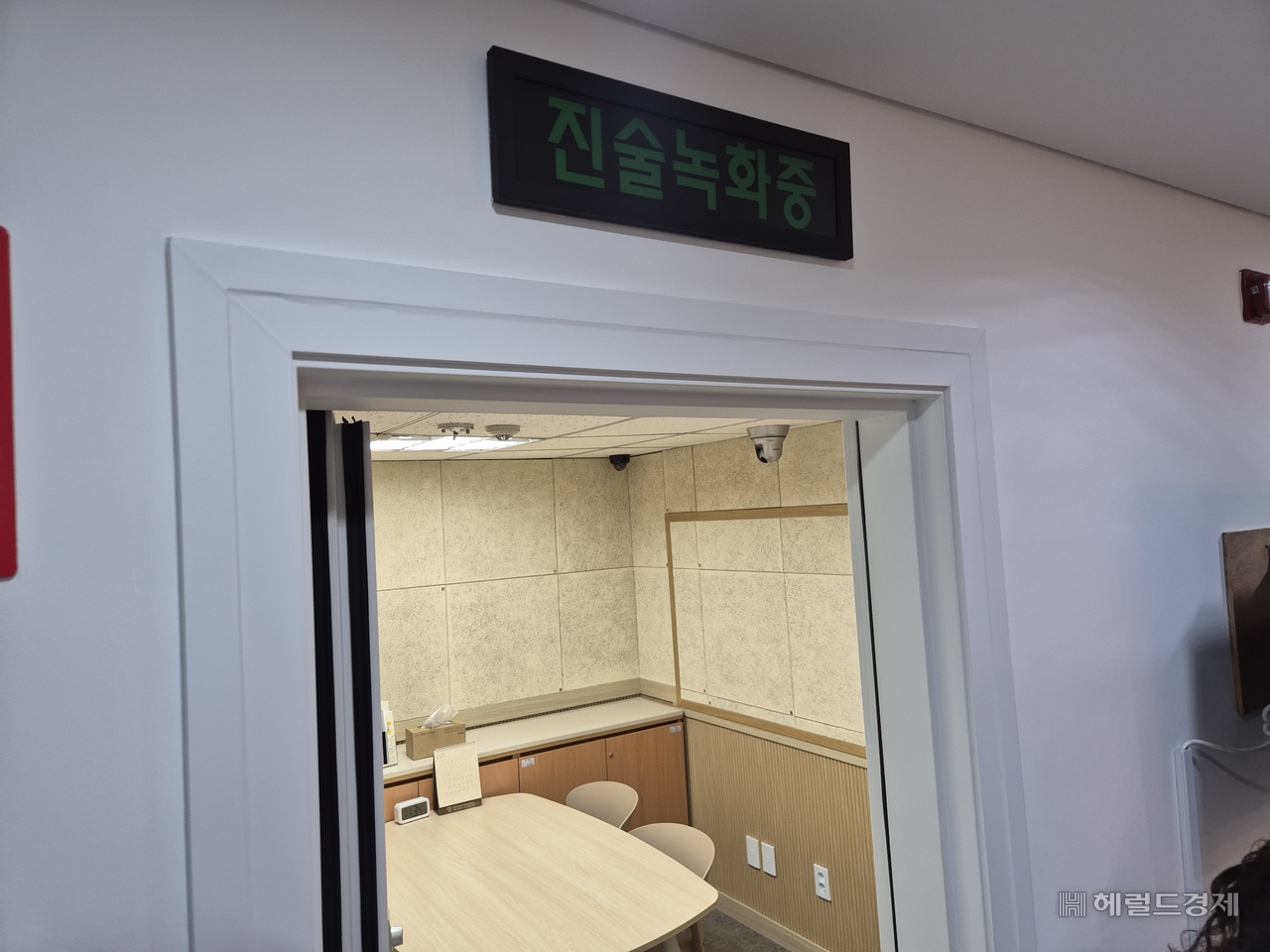
At Friday's event, the Seoul Sunflower Center also demonstrated its evidence collection process using a sexual assault emergency kit.
The process begins with the survivor's consent, after which staff create medical records and preserve foreign materials from outer clothing, underwear, sanitary pads and similar items.
Staff then collect the perpetrator's DNA and saliva from under the survivor's fingernails or on the skin, and — depending on the circumstances of the assault — secure evidence from body hair, the genitals, the anus and the oral cavity.
If drug, narcotic or alcohol involvement is suspected, blood and urine tests are also conducted.
The full process runs in 12 steps: obtaining consent forms from the survivor and any accompanying persons; completing the survivor's medical record; collecting foreign materials from outer clothing, underwear and sanitary pads; collecting debris from the survivor's body, including fingernail samples; collecting the perpetrator's stains and saliva; collecting pubic hair shed by the perpetrator; collecting genital evidence; collecting anal and rectal evidence; collecting oral evidence; drawing blood; collecting urine; and completing the emergency kit checklist and sealing the kit.
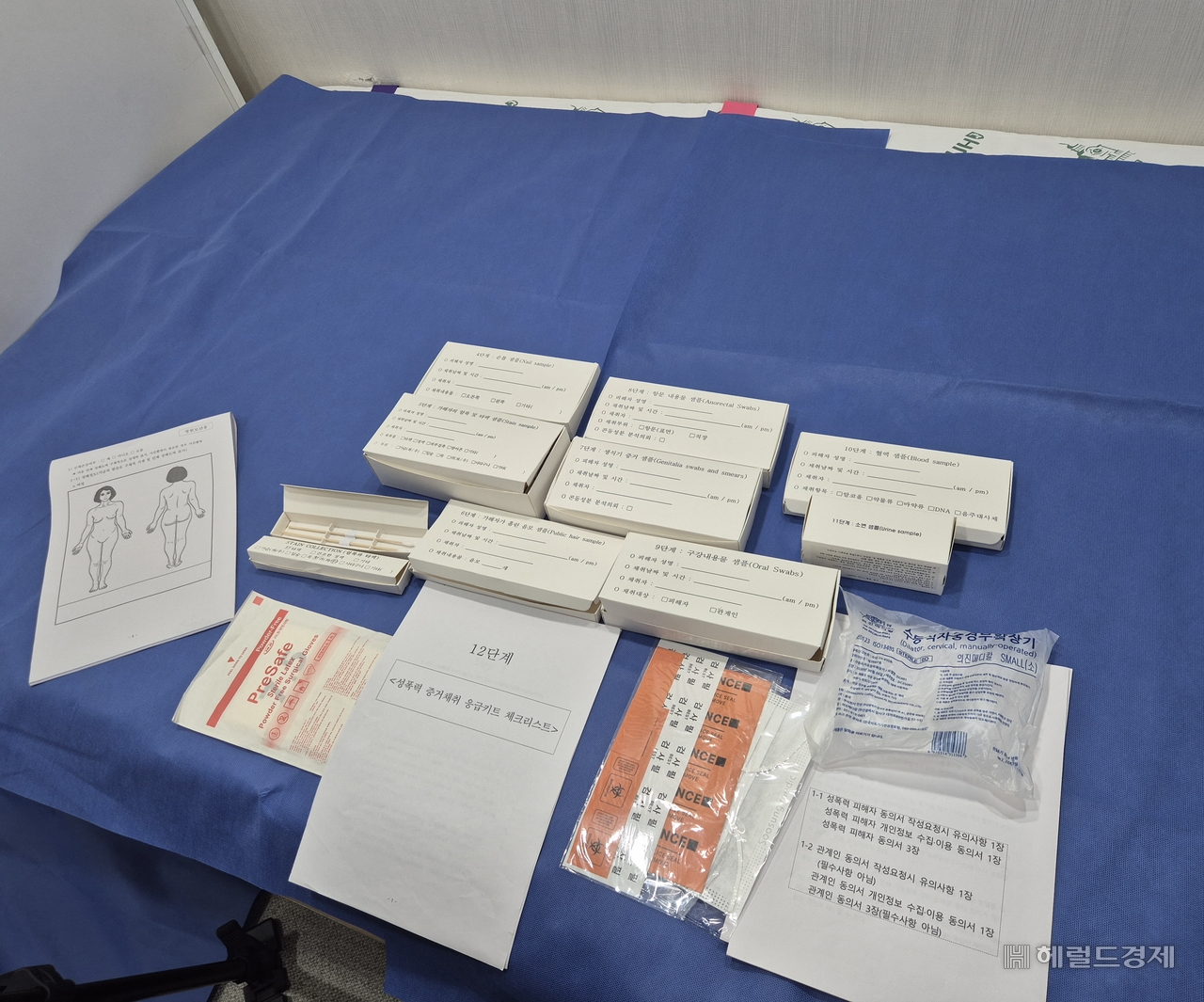
The evidence collection process using the emergency kit involves 12 steps in total and typically takes three to four hours. The Seoul Sunflower Center uses an average of 25 emergency kits per month.
The Seoul Sunflower Center employs about 30 staff, including counselors, medical personnel and police officers. Consultations are available not only immediately after an assault but also for past trauma, and family members of survivors can also receive counseling and psychological support.
For foreign survivors, the center connects them with interpreters registered with the Korean National Police Agency and migrant women's counseling organizations to assist with consultations and initial statements.
Of the 1,905 survivors who visited the Seoul Sunflower Center last year, sexual violence cases accounted for the largest share at 1,484, or 77.9 percent of the total. Domestic violence followed with 187 cases (9.8 percent), other cases 139 (7.3 percent), dating violence 35 (2 percent), stalking 33 (2 percent) and sex trafficking 10.
By gender, women accounted for 1,665 survivors, or about 87 percent, and men 230, or about 12 percent.
By age, adults 19 and older made up the largest group at 1,235, followed by those aged 10 to 18 at 300, children aged 9 and under at 151, and those 60 and older at 29.
Among the 1,508 cases in which the perpetrator's relationship to the survivor was identified, 125 involved family members or relatives, 138 involved romantic partners and 408 involved social acquaintances.
The center said perpetrators are often someone the survivor knows — a family member, partner or acquaintance — rather than a stranger.
"We view it positively that a growing number of survivors are coming forward and seeking help," said Jeong Myeong-sin, administrative director of the Seoul Sunflower Center. "The center will do everything it can to ensure survivors receive all the support they need."
kido@heraldcorp.com