
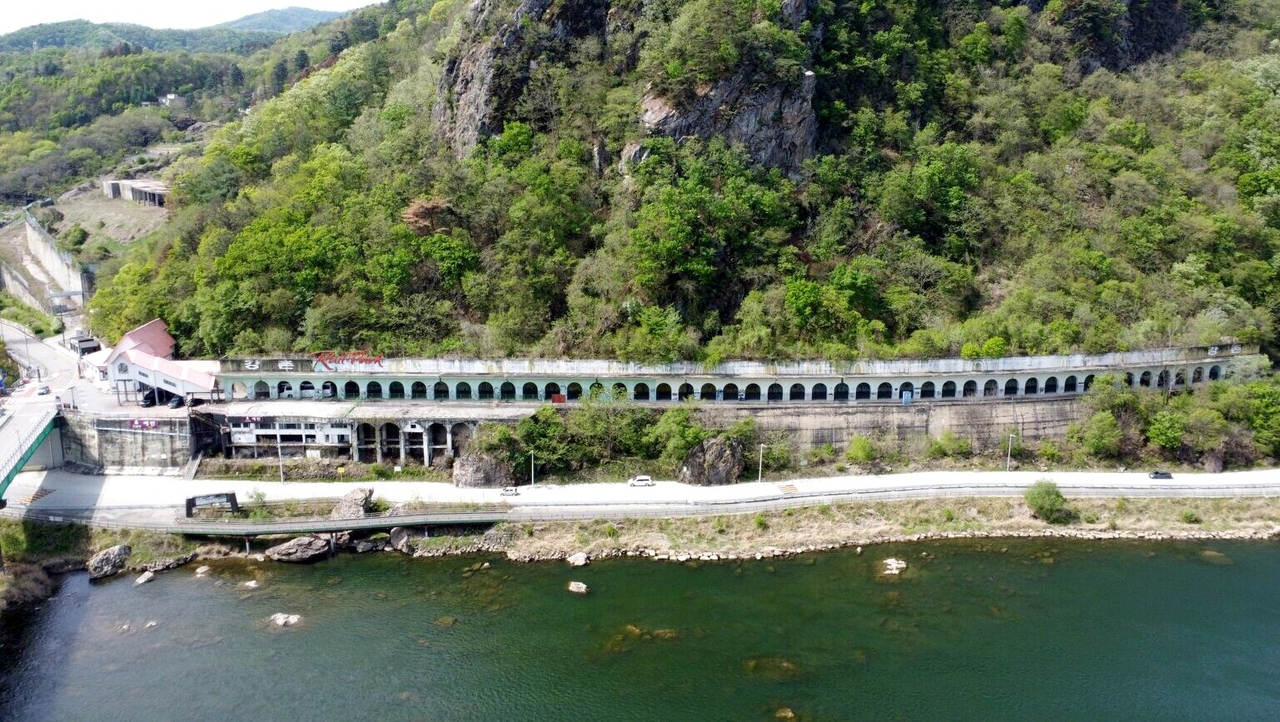
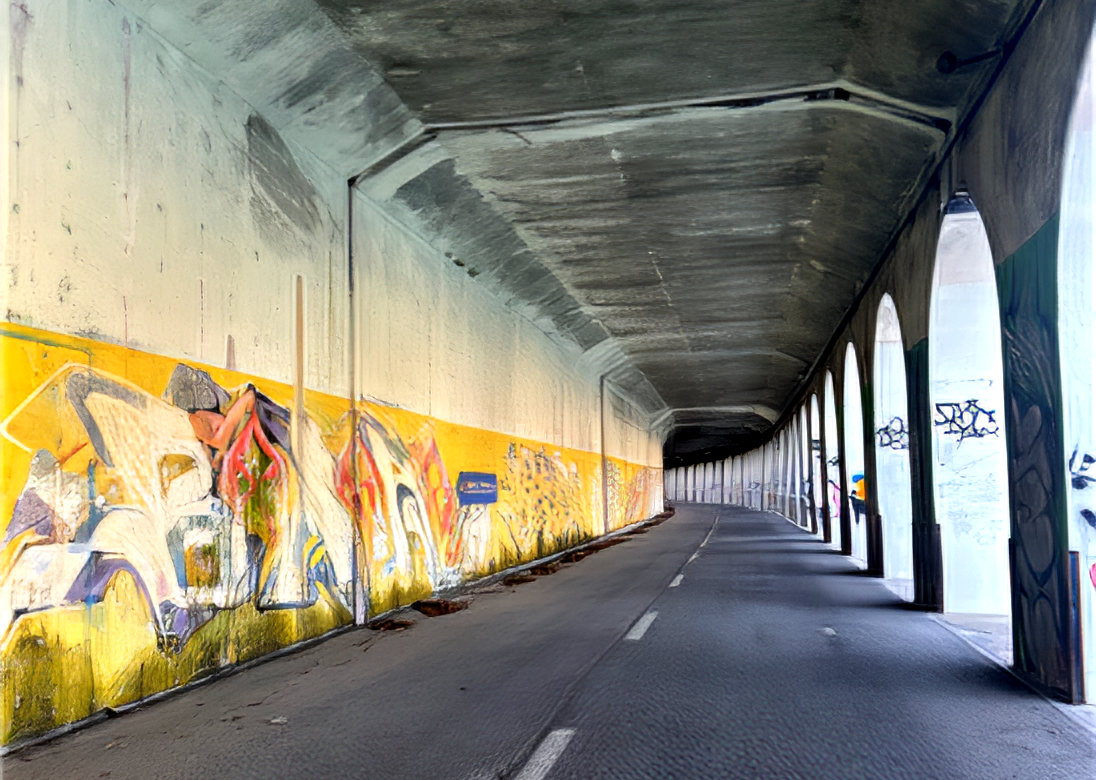
Among the many images associated with Chuncheon and Gangchon — places woven into the memories of generations of young Koreans — the piam tunnel stands out for a striking visual quirk: trains running where a road appears to be. It sits close to the old Gangchon Station, now known as the Rail Bike Gangchon Station.
A piam tunnel is a half-tunnel built against a sheer rock face to keep loose stone from falling onto the track below. Ventilation holes punched at regular intervals along its length give it, from a distance, the appearance of a long train.
A similar structure exists on Ulleungdo, where locals joke that "even Ulleungdo has a KTX running through it."
Gangchon has seen fewer young visitors in recent years for a variety of reasons, but the area is now preparing a renaissance through a joint effort by central and local government.
One of Chuncheon's key ambitions is to make the piam tunnel a central icon of that Gangchon tourism revival.
According to Chuncheon city officials Thursday, a design master plan to transform the piam tunnel into a tourist attraction is now being drawn up in earnest.
The city recently held a public-private kickoff meeting for a commissioned study titled "Design Master Plan for the Gangchon Piam Tunnel Area," at which participants shared the project's direction and preliminary design concepts.
The opportunity to give the tunnel an artistic makeover arose last year, when the site was selected for the Korea National Railway's idle railway land utilization project, opening the door for Chuncheon's public and private sectors to put their creative ambitions to work.
"The piam tunnel is a symbolic space that carries the history and memories of Gangchon," Chuncheon Mayor Yuk Dong-han said. "I ask everyone to give their best so that this study goes beyond a simple design plan and leads to an actionable master plan that genuinely strengthens Gangchon's tourism competitiveness and benefits the local commercial district."
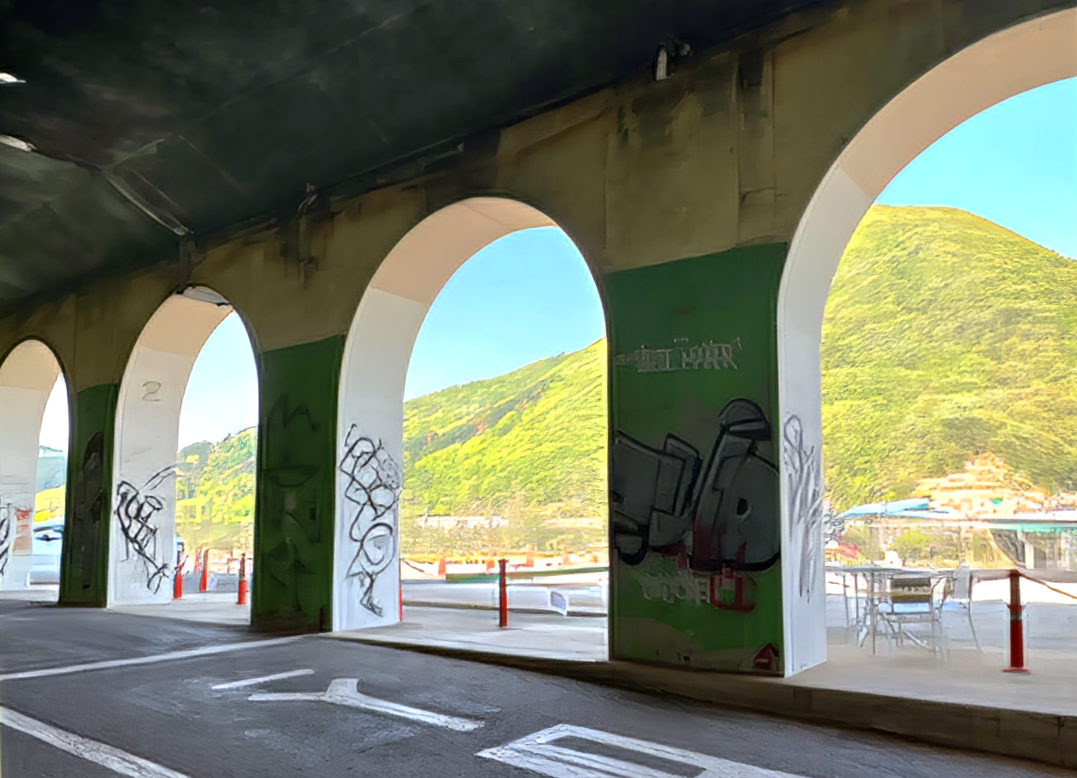
Chuncheon proposed using a roughly 4-kilometer stretch of disused railway land — from the old Gangchon Station to the new Baengnyangni Station — as a tourism resource, and the site was selected for the project. The section from the old Gangchon Station to Gimyujeong Station had already been fitted with a rail bike course, which many visitors now enjoy as a "literature and memory railroad."
The area slated for a full creative transformation spans about 4 kilometers and includes the piam tunnel, Gangchon Sangsang Station and the fifth course of the Bomnae-gil trail.
The city is also developing a range of linked cultural tourism programs. It recently secured 15 billion won ($9.93 million) in national funding after being selected for the Ministry of Land, Infrastructure and Transport's region-specific urban regeneration grant program, and is broadening the foundation for tourism and commercial revitalization through the development of the Gugok Falls tourist zone and the designation of a Gangchon alley-style shopping district.
Development of the Banghari tourist zone is also in the works. The city plans to link the piam tunnel tourism project with these initiatives to build Gangchon into a four-season, stay-and-explore tourism hub where tourism, culture and commerce grow together.
Chuncheon's public and private sectors will work through a series of consultations to draw up a phased road map. Once the commissioned study wraps up by year's end, the city will coordinate with the Korea National Railway and Korail to carry out improvements to the tunnel's external environment and develop tourism content in stages.
A new chapter of Gangchon memories — different from those their mothers made — is taking shape for a new generation.
abc@heraldcorp.com




