
"I had no idea it was illegal."
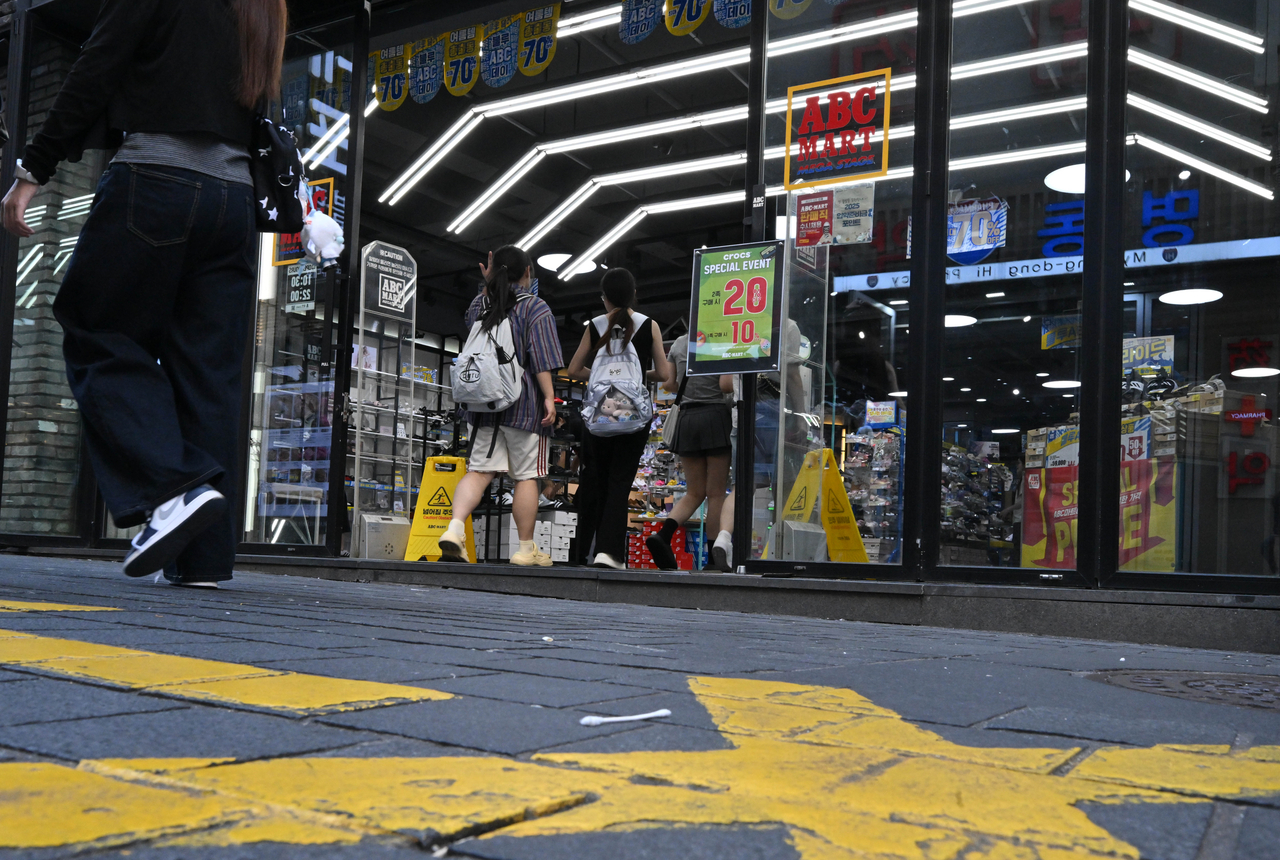
Walking through a busy commercial street in Sinchon, Seoul, on a sweltering, humid day, passersby feel a steady stream of cool air — even outdoors.
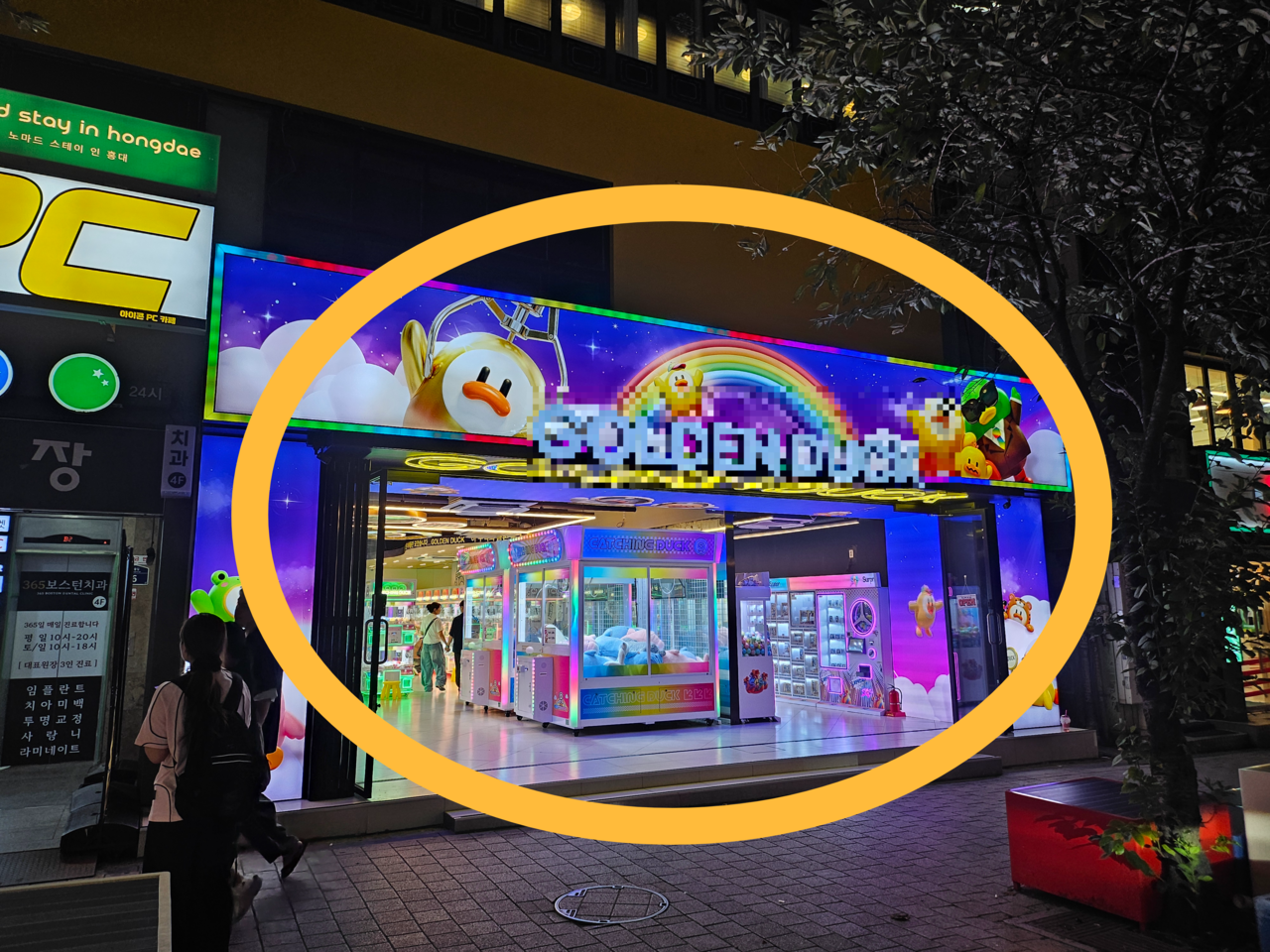
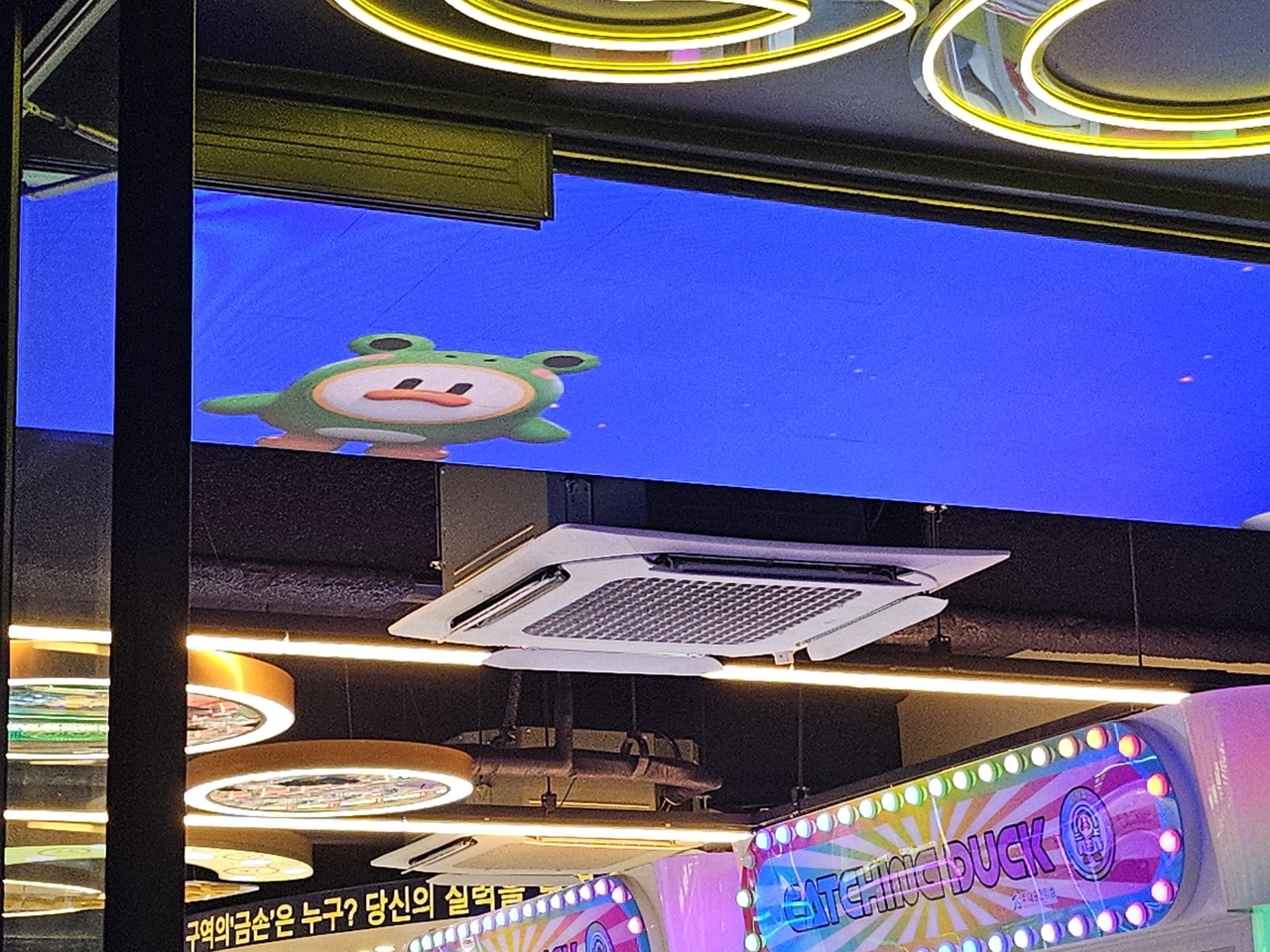
The source is air conditioning pouring out of shops lining the street. At one arcade near the center of the strip, the entire wall at the entrance had been knocked out, leaving the space wide open while the air conditioner ran at full blast.
Open-door air conditioning is a common sight in busy commercial districts. Running the AC with the door open increases power consumption by about 66 percent, making it one of the biggest drivers of summer electricity demand.
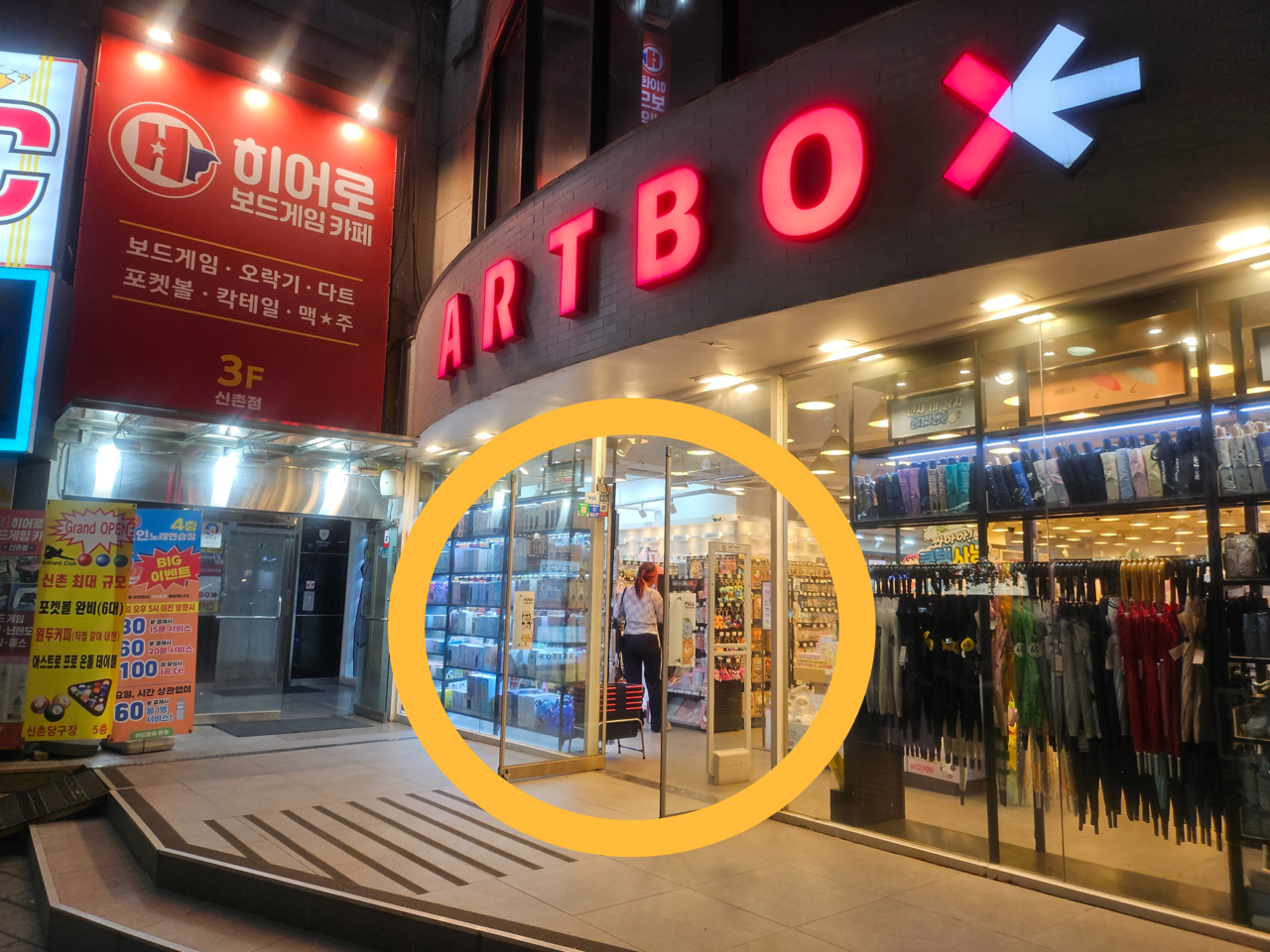
The practice is in fact illegal under current law. Violators can face fines of up to 3 million won ($1,970), but meaningful enforcement has not taken place, partly due to pushback from merchants.
Simulations by the Korea Energy Agency found that cooling a store with the door open consumes about 66 percent more electricity and raises total electricity bills by roughly 33 percent compared with keeping the door closed.
In a hypothetical 203-square-meter store running open-door air conditioning for about 10 hours a day throughout the summer, monthly electricity consumption climbed from 4,466 kWh to 6,088 kWh. The electricity bill rose from 813,430 won to 1.08 million won.
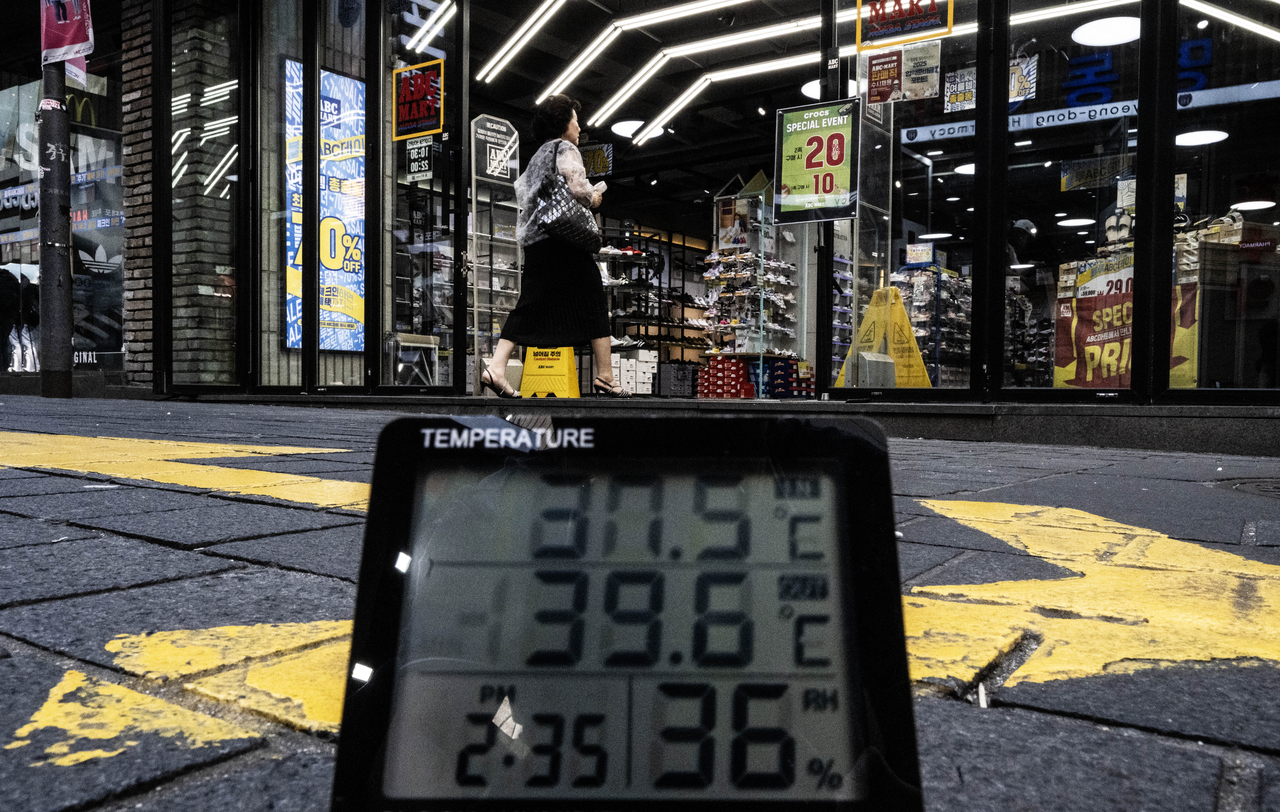
Open-door air conditioning is more than just excessive cooling. Keeping the door open allows roughly 60 percent of the cooling energy to escape outside the building. In summer, when open-door cooling is most prevalent, electricity demand surges sharply — and experts warn the practice adds strain to grid operations.
Commercial air conditioning can in fact be a key variable in summer power demand. Although commercial-sector cooling runs for only a short stretch of the year, it is estimated to account for about 10 percent of the nation's total annual electricity consumption.
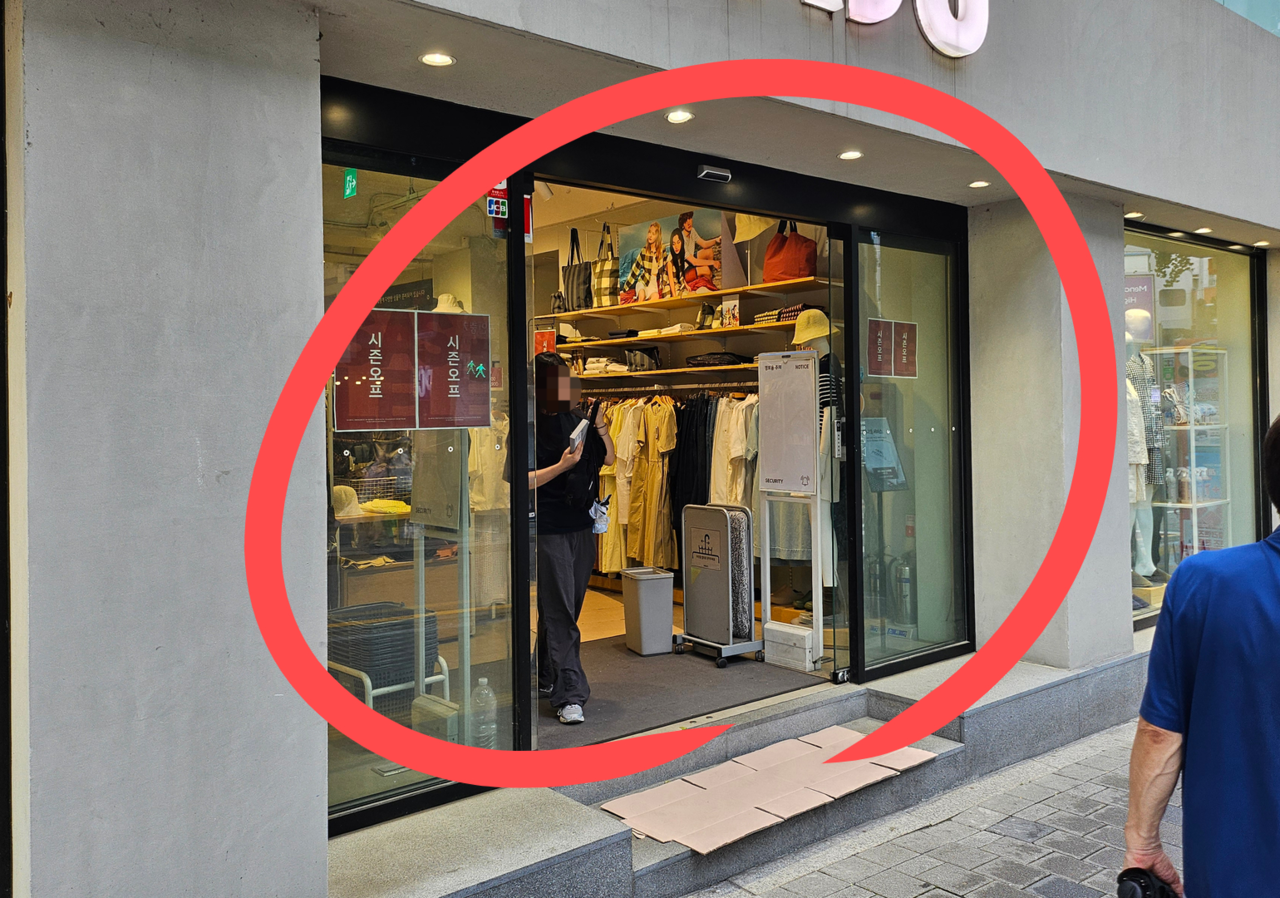
Open-door cooling is considered one of the key factors in managing peak power demand. The summer surge and waste of electricity can cause problems that go beyond higher utility bills. In years like this one, when heat waves push electricity use sharply higher, a sudden spike in peak demand can erode reserve capacity and deepen instability in power supply and demand.
The overall burden of cooling-related electricity is also growing. Climate change is accelerating, making summer heat waves more intense each year while extending the period over which they occur.
According to the Ministry of Climate, Environment and Energy, peak electricity demand this summer is forecast to reach 94.1 to 98.8 gigawatts during the third week of August, when the vacation season winds down. If heat waves persist as they did in 2024 and 2025 and solar generation falls due to typhoons or other weather events, demand could surge to as high as 98.8 GW. That would surpass the all-time record of 97.1 GW set in 2024.
The government says it has secured a supply capacity of 107 GW and prepared additional reserve resources, and that power supply and demand will remain stable. But that assurance holds only when sufficient generation capacity is available — and the longer a heat wave drags on, the greater the strain on grid operations.
In response, the government designated June 29 through Sept. 18 as the summer power supply management period, saying it would conduct real-time monitoring of the power situation and maintain emergency readiness. Public institutions are also continuing energy-saving measures under relevant regulations, including keeping average indoor temperatures at or above a set level when running cooling systems.
Yet enforcement against open-door air conditioning in urban commercial areas — which is illegal under current law — remains absent. The practice is prohibited under the Act on the Rational Use of Energy and its enforcement decree.
Under the current framework, administrative action is possible only when the government issues a national emergency alert such as a "power supply warning." Enforcement and penalties have also become increasingly rare since ventilation guidelines were introduced during the COVID-19 pandemic.
As a result, awareness of the rules around open-door cooling has grown more relaxed, and some store owners are simply unaware the practice is illegal. A store owner surnamed A, who runs a general goods shop in Seodaemun-gu, Seoul, said open-door cooling was unavoidable "to bring in customers," and insisted "open-door cooling is legal."
A clothing store owner nearby, identified only as B, said he had "never heard of anyone being fined for open-door cooling," adding: "Other stores keep their doors open, so we have no choice but to do the same."
Open-door air conditioning does not only aggravate peak power demand — excessive energy use translates directly into greenhouse gas emissions. Fossil fuels account for roughly half of South Korea's electricity generation. If power demand continues to grow at the current pace, greenhouse gas emissions from fossil fuel generation will inevitably rise as well.
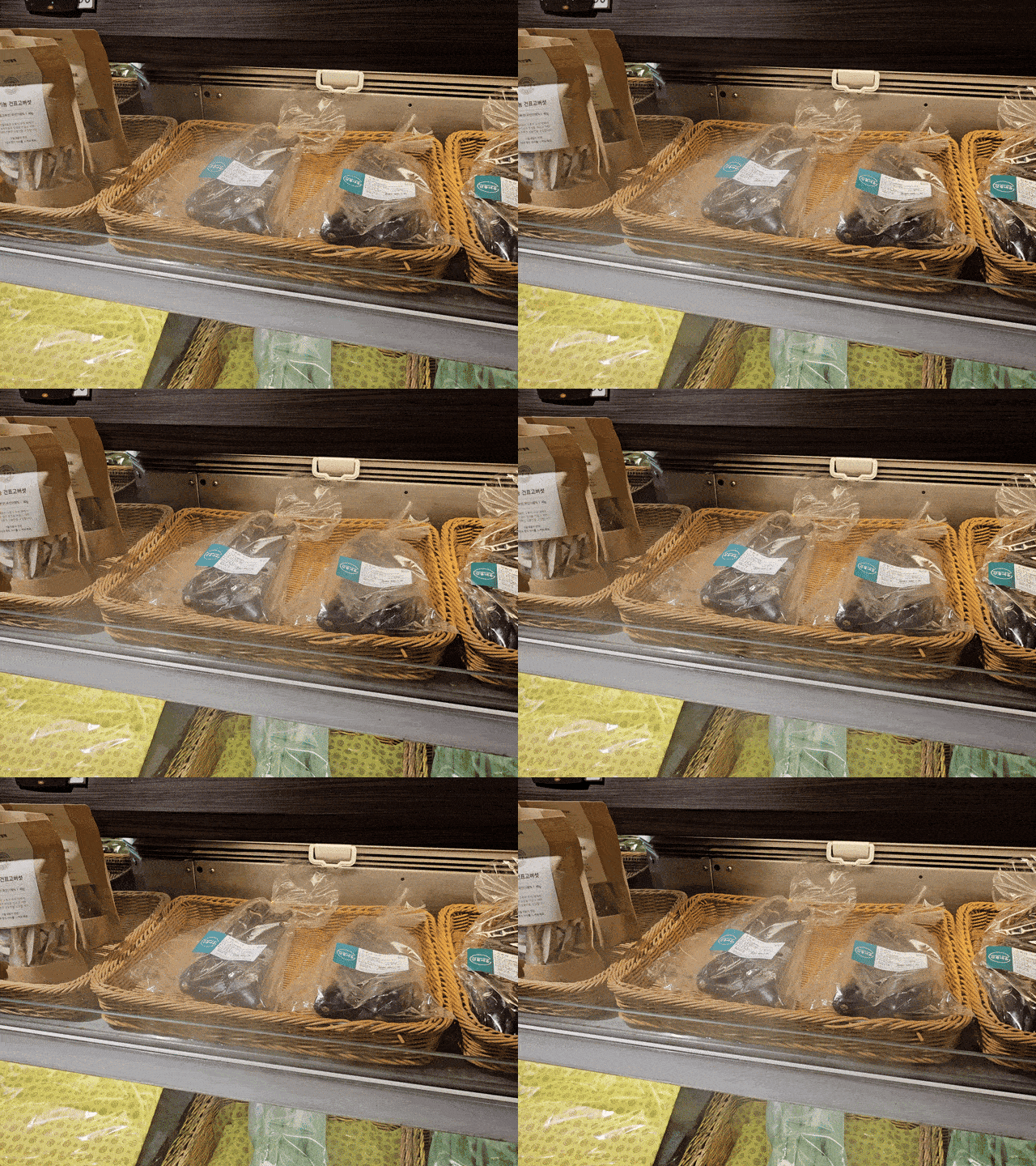
Meanwhile, open-front refrigerators used in supermarkets and other stores are drawing growing scrutiny. A joint study by Korea Electric Power Corp. and the Korean Society of Air-Conditioning and Refrigerating Engineers estimated that fitting doors onto the roughly 500,000 open-front refrigerators installed across approximately 110,000 stores nationwide could save the equivalent of the annual electricity consumption of about 610,000 households.
Open-front refrigerators are known to consume up to two to three times more electricity than door-equipped models. According to the Ministry of Food and Drug Safety, when the cooling temperature is set to 5 degrees Celsius, a door-equipped refrigerator uses only 34.7 percent of the electricity consumed by an open-front unit.

woo@heraldcorp.com




