![Tires are displayed at a tire specialty shop in Seoul on March 18. [Newsis]](https://wimg.heraldcorp.com/news/cms/2026/07/07/news-p.v1.20260707.0e9fd2dd25b544cf90458cd1e3d0456d_P1.jpg)
The EU has finalized definitive anti-dumping tariffs on passenger car and light truck tires made in China. The rates for Kumho Tire and Nexen Tire came in 5.5 percentage points below what had been expected, sparing South Korea's tire industry from its worst-case scenario — though pressure to restructure European supply chains is expected to continue as the tariff burden becomes a reality.
The European Commission published its definitive anti-dumping tariff regulation on Chinese passenger car and light truck tires on Tuesday (local time), targeting tires produced in China and exported to the EU. The bloc determined that Chinese tire imports had been sold at dumping prices, causing injury to European industry.
The final tariff rates were set at 4.3% for Hankook Tire & Technology and 24.4% for both Kumho Tire and Nexen Tire. Chinese manufacturers, including Shandong Yongsheng Rubber Group, face a rate of 45.3%.
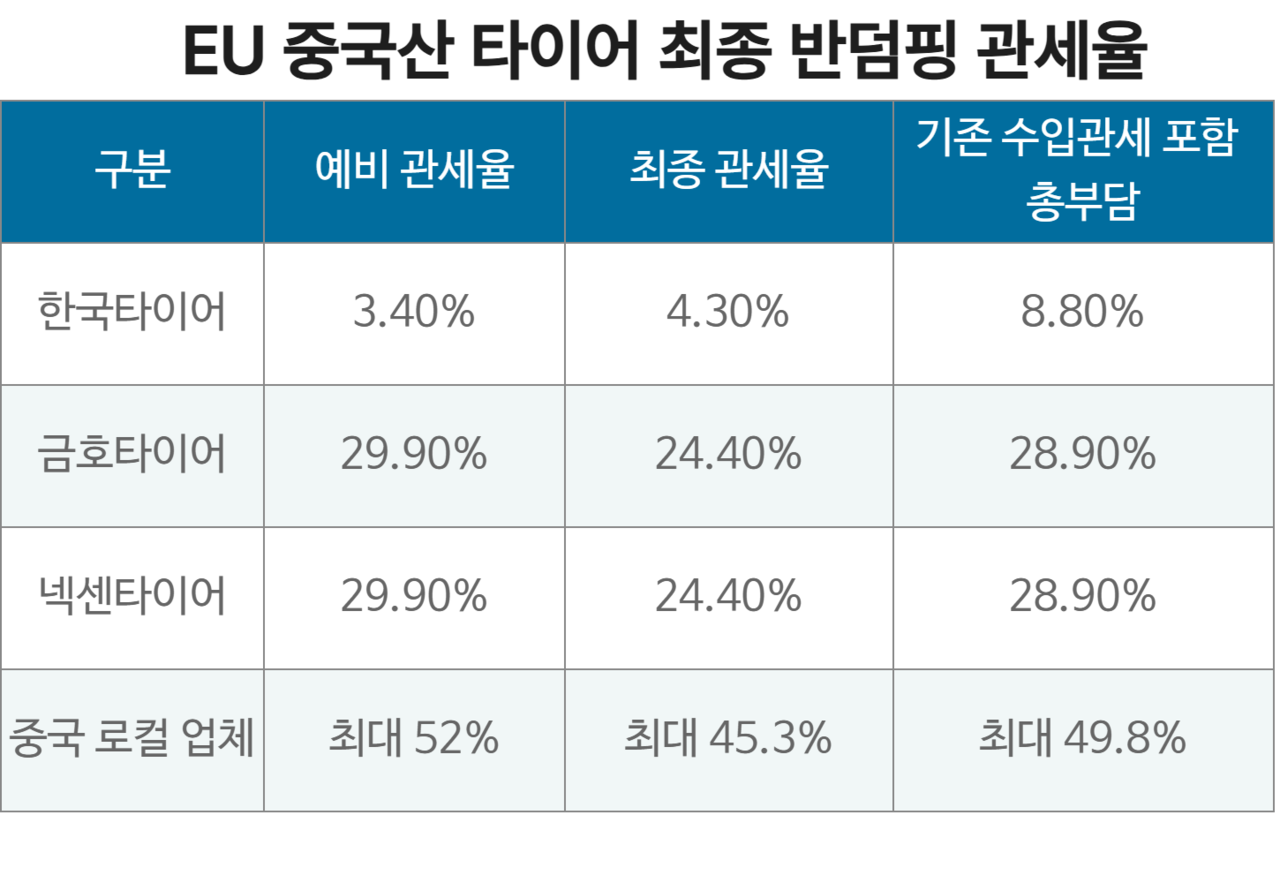
The provisional rates the EU notified companies of in late April were 3.4% for Hankook Tire & Technology, 29.9% for Kumho Tire and Nexen Tire, and up to 52% for Chinese domestic manufacturers.
In the final determination, the anti-dumping tariff rate for Kumho Tire and Nexen Tire fell 5.5 percentage points, from 29.9% to 24.4%. The maximum rate for Chinese domestic manufacturers was also reduced by about 7 percentage points.
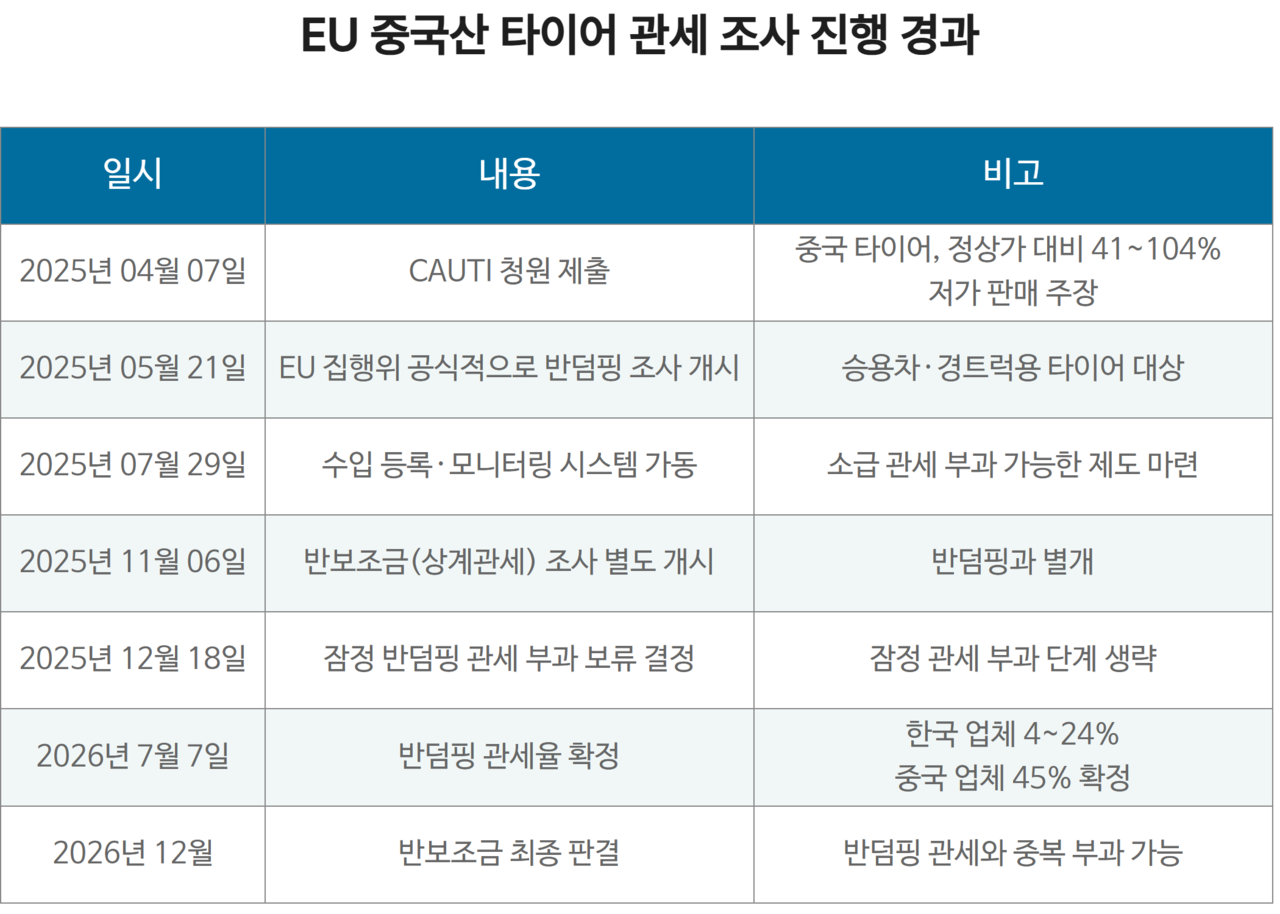
Adding the existing EU import duty of 4.5%, the total tariff burden for Kumho Tire and Nexen Tire falls from 34.4% to about 28.9%. Hankook Tire & Technology saw its anti-dumping rate edge up slightly from 3.4% to 4.3%, but its total burden including existing duties remains at just 8.8%.
The definitive tariffs take effect immediately. European Commission regulations enter into force the day after publication in the Official Journal, so the final anti-dumping duties will apply to imports of Chinese passenger car and light truck tires starting Wednesday.
The Commission said it lowered the final rates from the provisional figures after correcting calculation errors in import prices — including cost, insurance and freight — and EU producer cost data during the final consultation process, and after recalibrating the selling, general and administrative expense ratios.
The Commission acknowledged that the tariffs could push up consumer prices but concluded that the need to protect the European tire industry and restore fair competition outweighed that concern.
Kumho Tire and some other companies had requested a minimum import price mechanism or a fixed-rate tariff, but the Commission rejected both on the grounds that the diversity of product categories and price points would make enforcement impractical. It retained the existing ad valorem approach, under which duties are levied in proportion to the import price.
Hankook Tire & Technology flagged a calculation error in the selling, general and administrative expenses of its affiliated sales subsidiary, and the Commission partially accepted the objection, adjusting the import price calculation. Nexen Tire argued that the investigation sample did not adequately reflect market segmentation and requested inclusion in the sample, but the EU rejected the request, citing time constraints and representativeness concerns.

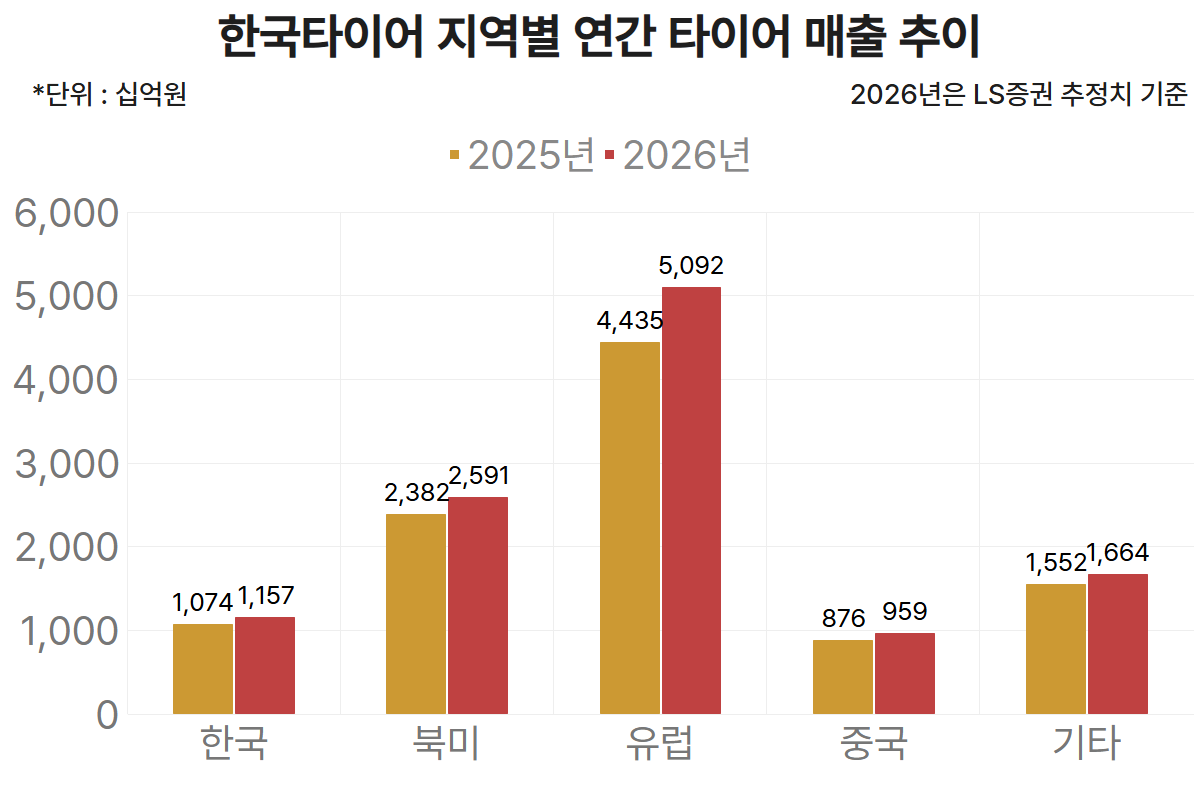
The lower tariff rate does not, however, mean the burden has been lifted. With definitive duties now in force, profitability pressure on European export volumes is seen as unavoidable. Europe accounts for roughly 40% of sales at South Korea's three major tire makers, making it a critical market, and the industry is moving quickly to reduce its reliance on Chinese production while expanding local manufacturing in Europe.
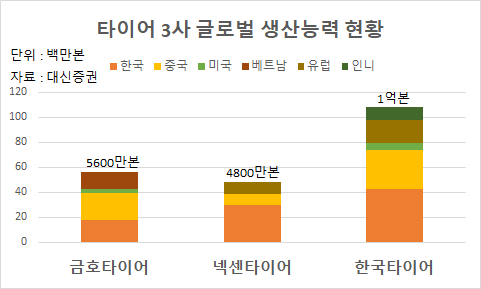
Nexen Tire is understood to be cutting the share of Chinese-made tires in its European sales from about 15% last year to around 4% this year. Annual shipments from its Qingdao factory destined for Europe are being reduced from about 3 million units to around 600,000, with the volume replaced by output from its domestic plants in South Gyeongsang Province — in Yangsan and Changnyeong — and its factory in Zatec, Czech Republic. The Czech plant, following a second capacity expansion, now has annual production capacity of about 11 million units and currently supplies more than 60% of Nexen Tire's European sales from local production.
Kumho Tire faces a comparatively heavier burden. About 30% of its total global production comes from China, and the share of Chinese-made tires in its European sales is estimated at around 50%. In response, Kumho Tire is adjusting its supply chain to increase European exports from its domestic and Vietnam factories while reducing the proportion of Chinese production. The company is also pressing ahead with longer-term plans to build local production capacity, targeting completion of a new plant in Hampyeong in 2027 and a factory in Poland in 2028.
Hankook Tire & Technology is seen as being in a relatively favorable position. Its Chinese production was assigned a low tariff rate, and it already has a local European manufacturing base through its factory in Hungary. The company holds global production capacity of about 100 million tires annually and, following an expansion of the Hungarian plant, has secured European production capacity of about 18 million units per year.
The investigation was triggered in April last year when CAUTI, the European tire industry association, filed a complaint alleging that Chinese passenger car and light truck tires were being imported at dumping prices and causing injury to European industry. The European Commission launched its anti-dumping investigation on May 21 of that year and subsequently determined that rising Chinese import volumes and downward price pressure had negatively affected European manufacturers' sales, market share and profitability.
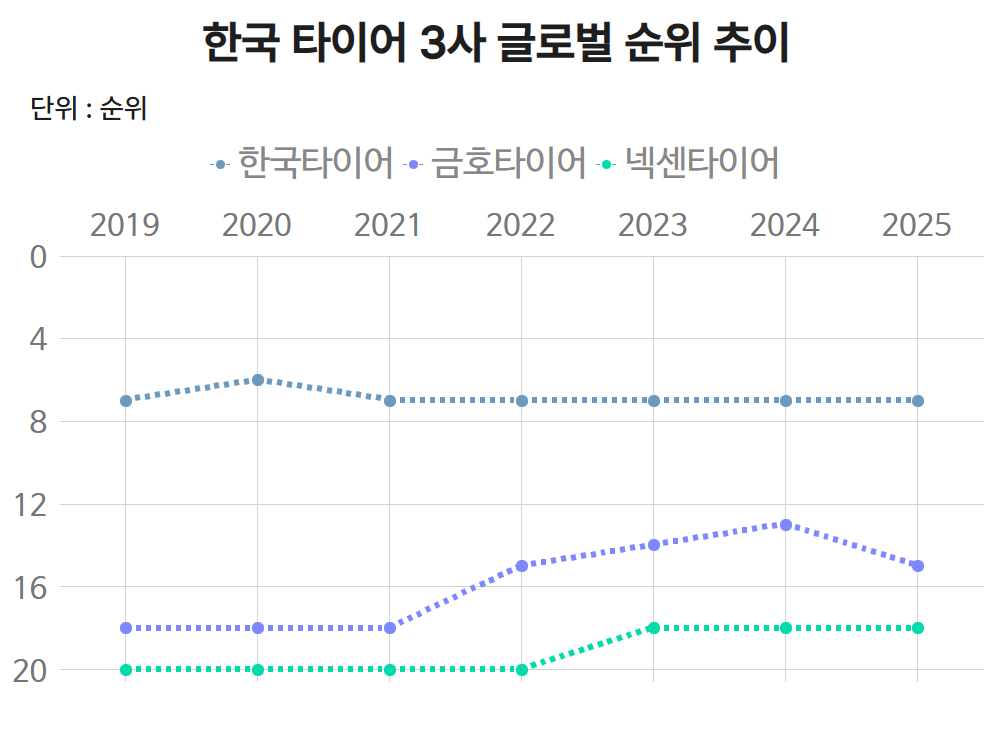
In calculating the final tariff rates, the EU factored in each company's dumping margin, injury margin and level of cooperation with the investigation. The duties were set at whichever was lower — the dumping margin or the injury margin.
Uncertainty remains. The EU is also conducting a separate anti-subsidy, or countervailing duty, investigation into Chinese tires, examining whether preferential loans, tax breaks, and below-market supplies of land and electricity from the Chinese government constitute unfair subsidies. Depending on the outcome, additional tariffs could be imposed.
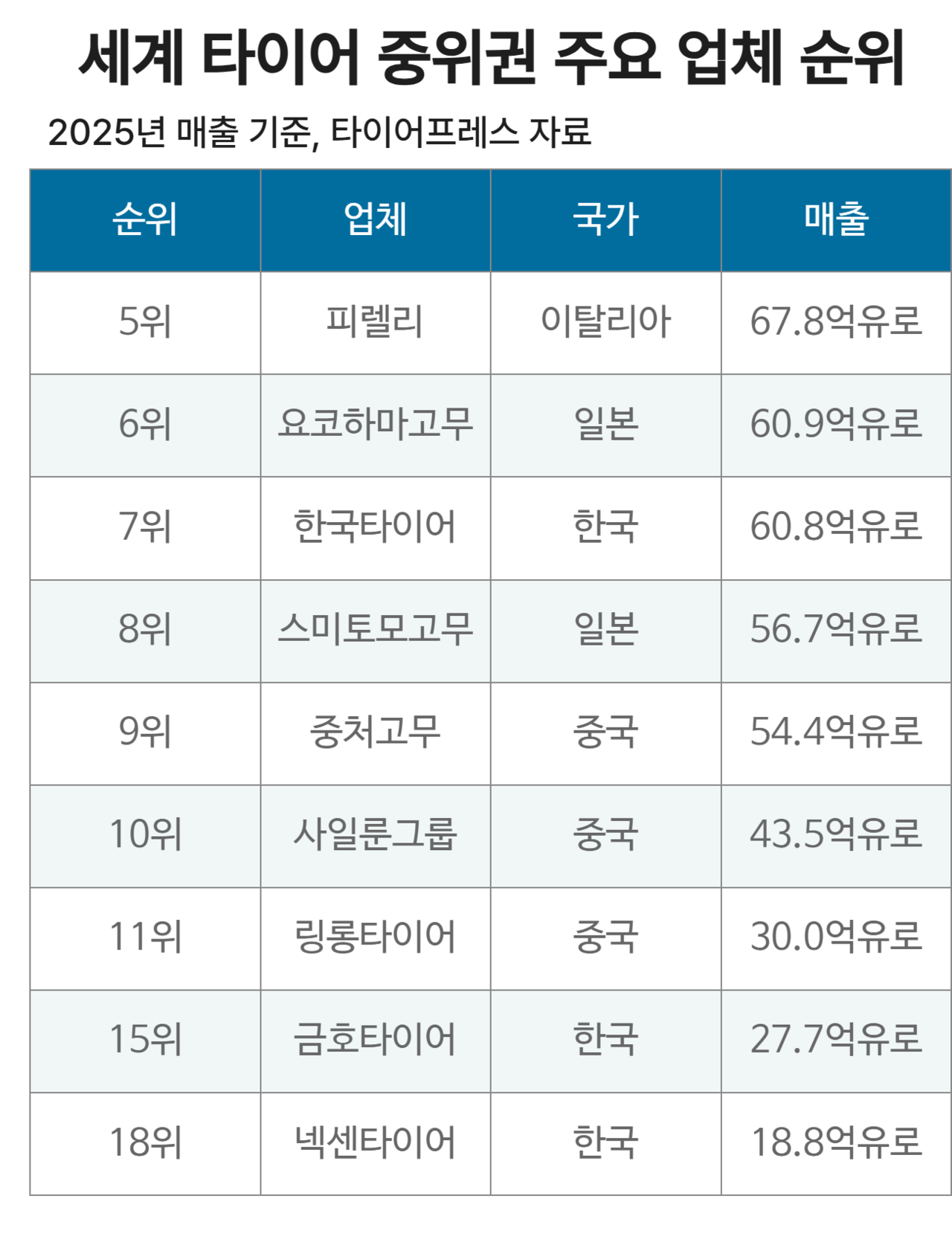
"It is a relief that the final tariff rate came in lower than the provisional figure, but a total tariff burden in the high 20% range is still not small," an industry official said. "Since it will be difficult to pass all of the tariff costs on to consumers or automakers, companies will have no choice but to pursue a combination of production-site adjustments and pricing strategies."
kwater@heraldcorp.com